
- About Us

- Our Services
- Your Industry
- Resources
- News & Blog
Selecting the right inspection company in China is one of the most consequential decisions a consumer goods buyer will make. The quality control partner you choose will directly impact product quality, customer satisfaction, and ultimately your brand's reputation. Yet many buyers make this decision based on surface-level factors—a familiar name, the lowest price, or the first result in a search—without understanding what truly differentiates a reliable inspection partner from one that simply goes through the motions.
This guide provides a comprehensive framework for evaluating China inspection companies, covering the accreditations that matter, the questions that reveal true capabilities, the pricing structures that indicate transparency, and the technological innovations that separate modern inspection services from traditional approaches. By the end, you'll have the tools to make an informed decision that protects your supply chain and your brand.
Key Takeaways
- Accreditation matters—ISO 17020 certification and CNAS accreditation indicate an inspection company meets international standards for competence and independence.
- Industry expertise is non-negotiable—Consumer goods span diverse categories from electronics to textiles; your inspection partner must have specific experience in your product type.
- Transparency separates professionals from problems—Clear pricing, detailed reports, and real-time communication indicate a trustworthy inspection partner.
- Technology is transforming inspection—Real-time monitoring and digital reporting provide visibility that traditional inspection cannot match.
- The right questions reveal hidden capabilities—Asking about inspector qualifications, report turnaround, and dispute resolution exposes differences between providers.
Understanding the China Inspection Landscape
China's inspection industry has evolved significantly over the past two decades. What was once a fragmented market of small local operators has matured into a professional industry with international players, accredited laboratories, and sophisticated service offerings. This evolution brings both opportunity and complexity for buyers seeking quality control services.
Types of Inspection Service Providers
The China inspection market includes several categories of service providers, each with distinct characteristics. International inspection companies like SGS, Bureau Veritas, and Intertek offer global networks, extensive laboratory capabilities, and recognized brand names—along with premium pricing and sometimes less flexibility for smaller orders. Regional specialists focus specifically on China and Asia, often providing competitive pricing and deeper local knowledge while maintaining international quality standards. Local Chinese inspection companies may offer the lowest prices but vary widely in professionalism, English-language capabilities, and adherence to international inspection protocols.
For consumer goods buyers, the optimal choice often lies with regional specialists who combine international credibility with China-specific expertise. These companies understand the nuances of Chinese manufacturing culture, have service network with factories across major production hubs, and maintain the professional standards that global buyers require. Companies like TradeAider exemplify this category, offering transparent pricing at $199 per man-day with no hidden fees while providing real-time inspection monitoring capabilities.
Why Consumer Goods Require Specialized Inspection
Consumer goods present unique inspection challenges that not every inspection company is equipped to handle. Unlike industrial products with established technical specifications, consumer goods often involve subjective quality criteria, aesthetic requirements, and safety standards that vary by market. A textile inspection requires different expertise than an electronics inspection; a toy inspection demands knowledge of safety regulations that a general inspector may not possess.
The consumer goods category encompasses products subject to intense scrutiny from retailers, marketplaces, and regulators. Amazon, Walmart, and other major retailers maintain their own quality requirements that products must meet. Consumer Product Safety Commission regulations in the United States, CE marking requirements in Europe, and similar standards in other markets create compliance obligations that inspection must verify. Your inspection partner needs to understand these requirements and design inspection protocols that confirm your products meet them.
Furthermore, consumer goods often involve complex supply chains with multiple components sourced from different suppliers. An effective inspection program for consumer products may require checking not just finished goods but also components, packaging, and labeling—all areas where problems can occur. The best inspection companies for consumer goods offer comprehensive services that address this complexity.
Essential Accreditation and Certification Standards
Accreditation provides third-party validation that an inspection company meets defined quality and competence standards. While accreditation alone doesn't guarantee good service, it establishes a baseline of professionalism and provides recourse if problems occur. Understanding the key accreditations helps you evaluate inspection companies objectively.
ISO 17020: The Inspection Body Standard
ISO/IEC 17020 is the international standard for inspection bodies, specifying requirements for the competence of organizations performing inspection. This standard covers the inspection company's organizational structure, personnel qualifications, facilities and equipment, inspection methods and procedures, and handling of inspection samples and records. An ISO 17020 certification indicates the testing company has been independently assessed and confirmed to meet these requirements.
The significance of ISO 17020 lies in what it guarantees. Certified inspection bodies must demonstrate independence from the parties whose products they inspect, preventing conflicts of interest that could compromise inspection integrity. They must maintain documented procedures that ensure consistency across inspections. Their inspectors must have verified qualifications and receive ongoing training. These requirements provide assurance that inspection results are reliable and reproducible.
CNAS and AQSIQ Recognition in China
Within China, additional certifications provide further validation of inspection company capabilities. The China National Accreditation Service for Conformity Assessment (CNAS) is the national accreditation body that accredits inspection bodies, testing laboratories, and certification bodies in China. CNAS accreditation under ISO 17020 provides Chinese regulatory recognition of an inspection company's competence.
AQSIQ (General Administration of Quality Supervision, Inspection and Quarantine) licensing was historically required for inspection companies operating in China, though regulatory changes have modified these requirements. Understanding current licensing requirements helps verify that an inspection company operates legally within China. The most professional testing companies maintain both international accreditations (ISO 17020) and Chinese recognitions (CNAS), demonstrating competence across both international and domestic standards.
ISO 9001 Quality Management Systems
ISO 9001 certification indicates an inspection company has implemented a quality management system covering all aspects of their operations. While less specific to inspection than ISO 17020, ISO 9001 certification demonstrates organizational maturity and commitment to continuous improvement. Many leading inspection companies maintain both certifications, with ISO 9001:2015 certification complementing their inspection body accreditation.
When evaluating testing companies, ask to see their accreditation certificates and verify their validity. Accreditation bodies maintain online databases where you can confirm that certifications are current and match the scope of services you need. An inspection company should readily provide this information; hesitation or vague responses about accreditations warrants further scrutiny.
| Certification | What It Certifies | Why It Matters |
|---|---|---|
| ISO 17020 | Inspection body competence and independence | Ensures inspection results are reliable and impartial |
| CNAS | Chinese national accreditation under ISO 17020 | Regulatory recognition within China |
| ISO 9001 | Quality management system | Demonstrates organizational quality processes |
| ISO 17025 | Testing laboratory competence | Essential if the company provides lab testing services |
Critical Questions to Ask Potential Inspection Partners
Beyond accreditations, the questions you ask during evaluation reveal capabilities and limitations that certifications don't capture. The following questions separate inspection companies that will serve as true quality partners from those that simply provide a basic service.
Questions About Inspector Qualifications
The quality of an inspection depends entirely on the inspector conducting it. Ask how the company recruits, trains, and qualifies their inspectors. What are the minimum requirements for inspectors in terms of education and experience? Do inspectors specialize in specific product categories or are they generalists? How does the company ensure inspector competence is maintained over time?
Professional inspection companies employ inspectors with relevant educational backgrounds—engineering degrees for technical products, textile expertise for apparel—and provide structured training programs. They conduct regular calibration exercises where multiple inspectors inspect the same products to ensure consistency. They maintain records of inspector performance and use this data for continuous improvement.
Be wary of inspection companies that cannot clearly explain their inspector qualification process. If the company relies heavily on part-time or contract inspectors without adequate oversight, inspection quality may be inconsistent. The seven critical questions framework for evaluating inspection providers emphasizes understanding inspector credentials as a fundamental evaluation criterion.
Questions About Service Scope and Flexibility
Understanding what services an inspection company provides—and equally important, what they don't provide—prevents surprises later. What inspection types does the company offer? Can they handle factory audits, container loading supervision, and lab testing in addition to product inspection? Do they have capabilities in all the geographic regions where your suppliers are located?
For consumer goods buyers, product testing capabilities deserve special attention. Many products require lab testing for regulatory compliance—chemical testing for toys, electrical safety testing for electronics, flammability testing for textiles. Does the inspection company operate their own laboratories or do they outsource testing? In-house laboratories provide better integration between inspection and testing, faster turnaround, and clearer accountability.
Ask about the company's experience with your specific product category. An inspection company that excels at hard goods may lack expertise in soft goods inspection. Request sample reports from inspections of similar products to assess whether their inspection approach matches your needs. According to industry guidance, choosing quality inspection services requires matching inspector expertise to your product requirements.
Questions About Reporting and Communication
Inspection results are valuable only if you receive them accurately and promptly. Ask about report turnaround time—how quickly after inspection completion will you receive your report? What does a standard report include? Can you see a sample report before committing? How does the company handle situations where you have questions about the report or need additional information?
Modern inspection companies provide reports within 24 hours of inspection completion, with some offering same-day delivery for urgent situations. Reports should include clear pass/fail determinations, detailed defect descriptions with photographs, and context that helps you understand overall batch quality. The best reports don't just list findings—they provide professional assessment of whether the quality level is acceptable for your market and customers.
Communication during the inspection itself represents a significant advancement in inspection service. Real-time reporting platforms allow you to view inspection progress as it happens, communicate directly with inspectors, and make immediate decisions. This capability transforms inspection from a passive reporting function into an active quality management tool. TradeAider's real-time inspection platform exemplifies this approach, giving buyers visibility and control that traditional inspection cannot provide.
Questions About Pricing and Fees
Pricing transparency indicates a professional inspection company that values clear business relationships. Ask for a complete pricing breakdown including base inspection fees, travel charges, weekend or holiday premiums, report fees, and any other charges that might apply. Does the quoted price cover everything you need, or might additional fees appear on your invoice?
Industry pricing typically ranges from $199 to $299 per man-day for inspections in major Chinese manufacturing regions. Variations within this range often reflect differences in what's included rather than quality differences. A $199 inspection with no additional fees may provide better value than a $269 inspection that adds travel charges, report fees, and weekend premiums. Request written confirmation of all-inclusive pricing before committing.
Beware of inspection companies that quote unusually low prices. Inspection quality depends on qualified inspectors spending adequate time on your products. Prices that seem too good to be true may indicate shortcuts—rushed inspections, unqualified inspectors, or reports that don't accurately reflect what was actually checked. Your inspection investment protects products worth thousands or tens of thousands of dollars; saving $50 on inspection while compromising quality protection is poor economics.
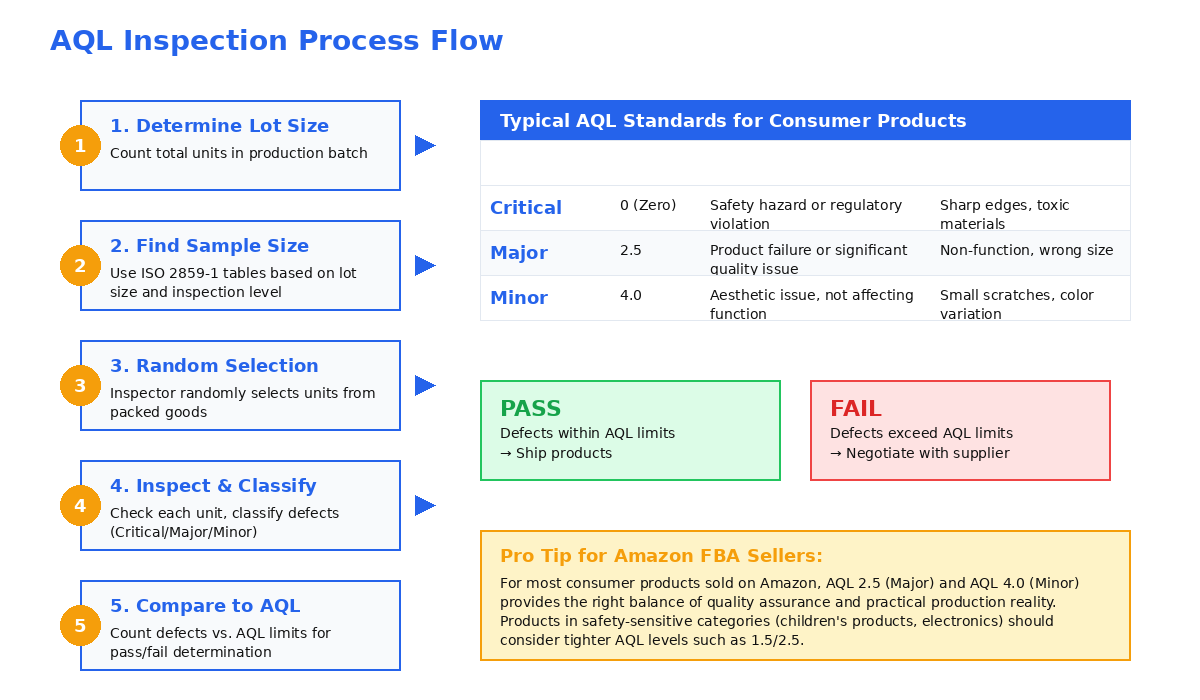
Use this evaluation framework to compare inspection companies across key criteria
Technology and Innovation in Modern Inspection
Technology is transforming the inspection industry, creating capabilities that were impossible just a few years ago. When evaluating inspection companies, understanding their technological sophistication helps predict the service quality you'll receive.
Real-Time Inspection Monitoring
Traditional inspection operates as a black box: you book an inspection, wait for the inspector to visit the factory, and receive a report 24-48 hours later. This model limits your ability to respond to findings—you can't ask follow-up questions, request additional checks, or make decisions until the report arrives. Real-time monitoring changes this dynamic entirely.
With real-time inspection monitoring, you view inspection progress through an online platform as it happens. When the inspector photographs a defect, you see it immediately. You can communicate with the inspector through chat or video, asking questions or directing attention to specific concerns. If the inspection reveals a problem, you can make immediate decisions about how to proceed—all while the inspector is still at the factory.
This capability provides practical benefits beyond convenience. When you can see inspection in real time, you develop greater confidence in the results. You understand not just what was found but how thoroughly it was found. The transparency builds trust between you and your inspection partner. For buyers who can't visit factories themselves, real-time monitoring provides the closest equivalent to being present.
Digital Reporting and Data Integration
Modern inspection platforms generate digital reports that integrate with your quality management systems. Instead of static PDFs that require manual data extraction, digital reports feed structured data into dashboards where you can track quality trends across suppliers, product categories, and time periods. This data enables proactive quality management rather than reactive problem-solving.
Ask potential inspection partners about their reporting technology. Can you access reports through an online portal? Do they provide data exports or API integrations? Can you view historical inspection data to identify patterns? The answers reveal whether the inspection company views reporting as a compliance exercise or as a tool for continuous quality improvement.
Red Flags and Warning Signs
Recognizing warning signs helps you avoid inspection companies that will create more problems than they solve. The following red flags indicate potential issues that warrant further investigation or elimination from consideration.
Unwillingness to provide sample reports suggests the company's inspection documentation doesn't meet professional standards. Every reputable inspection company should readily share sample reports that demonstrate their inspection approach, defect documentation, and professional assessment quality.
Vague or inconsistent pricing creates budgeting uncertainty and may indicate hidden fees will appear later. Professional inspection companies provide clear, written pricing with explicit terms. If you receive different prices from different representatives or prices that change without explanation, proceed with caution.
Difficulty reaching responsive support during evaluation indicates how communication will go after you become a customer. If it takes days to get answers to pre-sale questions, expect similar delays when you need help with an urgent inspection or a report question.
Lack of industry-specific expertise means the company may not understand your product's quality requirements. General inspection knowledge doesn't substitute for experience with your specific product category. Ask detailed questions about the company's experience with products like yours and evaluate whether their answers demonstrate genuine expertise.
Pressure to skip inspection steps or accept reduced scope to fit a price point suggests the company prioritizes winning business over serving your quality needs. A professional inspection company will recommend appropriate inspection scope even if it means quoting a higher price.
Building a Long-Term Quality Partnership
The best inspection relationships develop over time as the inspection company learns your quality standards, your supplier base, and your operational preferences. Consider long-term partnership potential when evaluating inspection companies.
Does the inspection company demonstrate interest in understanding your business beyond the immediate transaction? Do they ask questions about your quality standards, your customers, and your supplier relationships? Do they offer suggestions for improving your quality processes? These behaviors indicate a partner mindset rather than a vendor relationship.
Discuss how the inspection company handles ongoing quality management. Can they track quality trends across inspections and alert you to emerging issues? Do they conduct root cause analysis when problems occur? How do they support supplier development and quality improvement? The answers reveal whether the company can grow with your quality management needs.
For buyers with ongoing inspection needs, consider starting with a trial period. Conduct several inspections with a new provider before committing to exclusive partnership. This approach lets you evaluate service quality, communication reliability, and reporting accuracy with real products before making a long-term commitment.
Frequently Asked Questions
What accreditations should I look for in a China inspection company?
The most important accreditation is ISO 17020, which certifies inspection body competence and independence. In China, CNAS accreditation under ISO 17020 provides additional regulatory recognition. ISO 9001 certification indicates the company maintains a quality management system. If you need lab testing services, look for ISO 17025 laboratory accreditation. Always verify that accreditations are current by checking the accreditation body's online database.
How much does inspection cost in China?
China inspection typically costs $199-$299 per man-day for inspections in major manufacturing regions. A man-day covers approximately 8 hours of inspector time and includes travel to factories within the region. Additional fees may apply for travel to remote locations, weekend or holiday inspections, or specialized testing requirements. Some companies like TradeAider offer all-inclusive pricing at $199 per man-day with no additional fees, even for weekends and holidays.
How quickly can I get an inspection report?
Professional inspection companies provide reports within 24-48 hours of inspection completion. Some offer same-day report delivery for urgent situations. Real-time inspection platforms allow you to view findings as the inspection progresses, eliminating wait time for critical information. When evaluating inspection companies, ask about their standard report turnaround time and whether expedited options are available.
Should I use a large international inspection company or a regional specialist?
The choice depends on your specific needs. Large international companies like SGS and Bureau Veritas offer global networks and extensive laboratory capabilities but typically charge premium prices and may have less flexibility for smaller orders. Regional specialists focused on China often provide competitive pricing, deeper local knowledge, and more personalized service. For consumer goods buyers sourcing primarily from China, regional specialists frequently offer the best combination of expertise, service, and value.
TradeAider combines the professional standards of international inspection companies with China-specific expertise and innovative technology. Our real-time inspection monitoring gives you visibility that traditional inspection cannot match, while our transparent $199 per man-day pricing eliminates surprise fees. Request a free quote or book your inspection to experience quality partnership that goes beyond traditional inspection.
Related Articles
Grow your business with TradeAider Service
Click the button below to directly enter the TradeAider Service System. The simple steps from booking and payment to receiving reports are easy to operate.

