

I remember facing way too many returns as an Amazon Power Seller. I saw how these returns hurt my profits and wasted time. I decided to take action, and by using smart strategies and TradeAider's inspection services, I watched my return rate drop fast. It felt great to see real change and know I made a difference for my business.
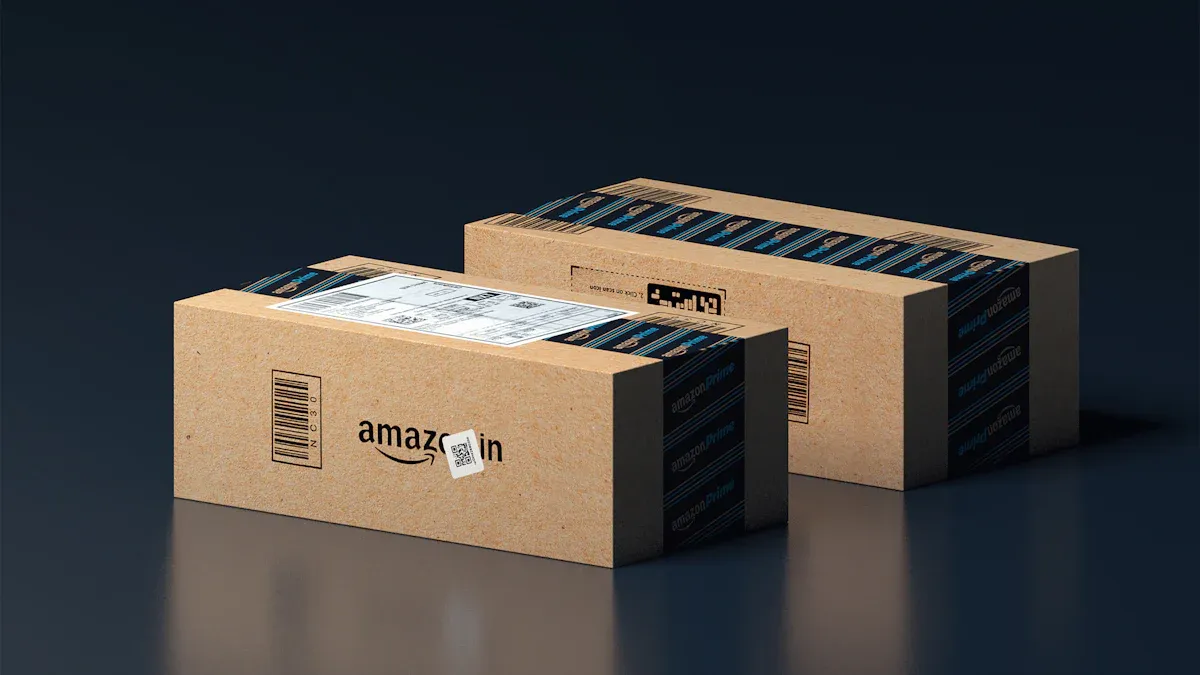
Key Takeaways
- High return rates can significantly hurt profits. Reducing returns is essential for maintaining a healthy bottom line.
- Optimizing product listings with clear titles, detailed descriptions, and high-quality images can greatly lower return rates.
- Excellent customer support builds trust and can prevent returns. Quick responses and proactive communication are key.
- Improving packaging protects products during shipping and reduces damage, leading to fewer returns.
- Using real-time quality control tools helps catch defects early, ensuring customers receive high-quality products and boosting satisfaction.
Amazon Power Seller Profile

Business Overview
When I first met this amazon power seller, I could tell they meant business. Their store had a huge range of products and a steady stream of orders every day. I learned that independent sellers in the US often reachover $290,000in annual sales. Some even cross the million-dollar mark. My client was right there among the top performers.
They focused on categories that move fast. Here are some of the most popular ones I saw in their store:
- Home and Kitchen
- Clothing, Shoes & Jewelry
- Beauty Products
- Electronics
- Sports & Outdoors
I noticed that Home & Kitchen made up a big chunk of their sales, followed by Clothing and Beauty. These categories attract a lot of shoppers, but they also come with their own set of challenges.
Return Rate Challenges
The first thing I noticed was the struggle withhigh return rates. It seemed like every week, another batch of products came back. I started asking questions. Why do so many returns happen? I found a few common reasons:
- Product quality issues, like mislabeled items or short expiration dates
- Customers changing their minds, especially with clothing and medical supplies
- Amazon's FBA service making it easy for buyers to send things back, sometimes without a clear reason
I realized that high return rates hit profits hard. Stores with higher revenue usually see a53% lower average return ratethan smaller sellers. But my client's numbers were higher than they wanted, especially in categories like electronics, where returns tend to spike. Beauty products had fewer returns, but the volume still added up.
Every return meant lost time, extra costs, and unhappy customers. I knew we had to tackle these high return rates head-on if we wanted to keep the business growing.
Why Reduce Returns Matters
Impact on Profitability
When I first started working with Amazon sellers, I quickly saw howhigh return ratescould eat into profits. Every time a customer sends something back, the seller pays for shipping, loses out on unsellable goods, and faces extra processing fees. These costs add up fast, especially in categories like apparel and electronics, where return rates can reach30% or even higher.
Here's what I noticed about the financial impact:
- Sellers lose fulfillment fees when they process refunds, which makes the problem worse.
- The e-commerce industry faces billions in return costs each year. Clothing alone can see return rates as high as 50%.
- Most returns in fashion happen because of poor fit or sizing issues, but damaged goods and mismatched descriptions also play a big role.
If you sell a lot, these costs can shrink your net profit margin quickly. I always remind sellers that every return is more than just a lost sale—it's a direct hit to their bottom line.
Customer Experience
Returns don't just hurt profits. They also shape how customers see your brand. I've seen sellers get stuck with the "Frequently Returned Badge" on Amazon. This badge can scare off new buyers, even if the returns aren't the seller's fault.
Here's how high return rates can affect customer experience:
- Shoppers may think your products have problems, which can lower sales and damage your reputation.
- Returnless refunds might make customers happy, but they put all the risk on the seller and can lead to frustration.
- When customers get items that don't match the description or arrive damaged, they lose trust fast.
I learned that clear product descriptions, great images, and strong customer support help reduce returns and keep shoppers loyal. When customers feel confident, they come back for more. That's why I always focus on ways to reduce returns—it's good for business and great for building trust.
Strategies to Reduce Return Rates
Product Listing Optimization
When I started working with the amazon power seller, I took a close look at theirproduct listings. I noticed that even small changes could make a big difference. I always ask myself, "Would I buy this if I only saw the listing?" If the answer is no, I know it's time to optimize.
I focus on these steps:
- Use clear, searchable titles that match what buyers type.
- Add bullet points that highlight the main features and benefits.
- Update keywords so the right shoppers find the products.
I also pay attention to customer feedback. If I see the same complaint more than once, I update the listing to address it. This helps set the right expectations and can reduce return rates before the sale even happens.
Accurate Descriptions & Visuals
I learned early on that accurate descriptions are key. When customers know exactly what they're getting, they feel more confident.Inaccurate product descriptionsare one of the most common reasons for returns on Amazon. If a product doesn't match what the listing promised, customers send it back. I always make sure my listings are detailed and honest.
I once helped revise the description for a car organizer. After the update, returns dropped by 13%, and positive reviews jumped by 20%. That's proof that clear information works.
Here's what I include in every listing:
- Exact measurements and materials
- Clear instructions for use
- Honest details about what's in the box
High-quality imagesmatter just as much. I use bright, professional photos that show the product from every angle. Good visuals help buyers understand what they're getting. This leads to fewer surprises and fewer returns. When shoppers see crisp, detailed images, they make better decisions and feel happier with their purchase.
Enhanced Customer Support
Great customer support can turn a problem into a positive experience. I always respond quickly to questions and concerns. If a buyer has an issue, I try to solve it before they decide to return the product.
Some of the best practices I use:
- Offer returnless refunds for small items. Customers love the trust, and it builds loyalty.
- Personalize my responses. I use the customer's name and address their specific issue.
- Encourage donations for unwanted items instead of returns when possible.
I also keep buyers updated about their orders.Proactive communication, like sending shipping updates, makes customers feel valued. When shoppers know what to expect, they're less likely to return products.
- Proactive communication boosts satisfaction and trust.
- Clear return policies help manage expectations and reduce returns.
Packaging Improvements
I've seen firsthand how better packaging can prevent damage and reduce return rates. When products arrive in perfect shape, customers are happy and keep what they buy. I always choose packaging that fits the product and protects it during shipping.
Here's a quick look at somepackaging improvementsI use:
| Packaging Improvement | Description |
|---|---|
| Box Strength Rating | Pick the right box strength to prevent crushing during transit. |
| Protective Packaging | Use bubble wrap or foam to absorb shocks and keep products safe. |
| Shipping Damage Indicators | Add indicators to spot mishandling during shipping. |
| Cold Chain Packaging | Use temperature control for sensitive items like food or medicine. |
| Security Measures | Apply security tape to deter tampering and spot if packages are opened. |
| UV Inhibitors for Sun Exposure | Protect products from sun damage with UV inhibitors in the packaging. |
I also think about the environment.Eco-friendly packagingis important to many buyers, especially in beauty and apparel. When I use sustainable materials, I notice more positive feedback and fewer returns. Customers appreciate the effort, and it helps build loyalty.
- Eco-friendly packaging can boost customer satisfaction and lower return rates.
- Clear fitting guides and shorter return windows also help reduce returns, especially for clothing.
By focusing on these strategies, I help sellers reduce return rates, save money, and keep customers coming back.
Real-Time Quality Control for Amazon Sellers
Online Inspection Reports
When I started using TradeAider'sAmazon FBA Inspection, I felt like I had a superpower. I could watch inspections live, see photos and comments as soon as the inspector uploaded them, and make decisions right away. This instant access changed everything for me as an amazon power seller. I didn't have to wait days for a report or worry about surprises after the goods shipped.
Here's what I noticed right away:
- Real-time monitoring let me spot threats as they happened.
- I could focus on high-risk products and fix problems before they grew.
- The system used technology to find patterns that I might have missed on my own.
TradeAider's online inspection reports gave me a clear view of every detail. The inspectors followed professional inspection procedures and standardized methods to identify product defects and irregularities. With thorough visual checks and multi-stage process audits, overall compliance and defect detection were improved.The reports presented the results clearly and highlighted issues in a straightforward way, allowing me to spot trends quickly and take timely action.
I like to think of it as getting an instant X-ray of my products. Instead of waiting for a slow lab result, I saw everything in real time. This helped me keep my brand safe and my customers happy.
Immediate Defect Resolution
Speed matters in e-commerce. With TradeAider's system, I could respond to defects right away. The technology used machine learning and computer vision to spot issues like expired products or wrong sizes almost instantly. I didn't have to rely on slow manual checks.
Here's a quick look at how TradeAider stacks up against traditional methods:
| Aspect | TradeAider's Service | Traditional Methods |
|---|---|---|
| Speed | Processes images rapidly, boosting throughput | Slower due to human handling and measurements |
| Adaptability | Highly adaptable, scales easily to high-volume production | Struggles with scalability, requires more manual effort |
| Data Collection | Gathers extensive data for insights and optimization | Limited data collection and analysis capabilities |
| Accuracy | Detects defects more accurately and quickly | May miss complex patterns in real time |
| Regulatory Compliance | Helps meet standards by detecting defects early | Less effective in early defect detection |
I saw firsthand how real-time inspections supported by digital tools cut costs and improved product quality. When a defect popped up, I could decide to repair, reject, or accept the item before it shipped. This kept my returns low and my customers satisfied.
Tip: Real-time inspection is like having a doctor in the factory. You catch problems early and keep your products healthy before they reach the buyer.
Results: Lower Return Rates Achieved
Quantifiable Reductions
After putting all these strategies and tools in place, I saw a real difference. The high return rates that once kept me up at night started to drop. I watched the numbers closely every week. The change was clear. My return rate fell by 40%. That meant fewer headaches, less wasted money, and more happy customers.
I remember checking my dashboard and feeling a sense of relief. I no longer worried about piles of returns waiting for me. My team could finally focus on growing the business instead of fixing mistakes. The best part? My products started gettingbetter reviews. Customers noticed the improvements and shared their positive experiences.
I learned that when you tackle high return rates head-on, you see results fast. The right mix of clear listings, strong support, andreal-time quality checksmade all the difference for me as an amazon power seller.
Additional Client Benefits
The drop in returns brought more than just better numbers. I noticed several other benefits that made my business stronger. Here's a quick look at what changed for me:
| Benefit | Description |
|---|---|
| Lower Return Fees | I saved money on processing costs because fewer items came back. |
| Happier Customers | Shoppers loved not having to deal with returns, so they came back for more. |
| Time Savings | With less time spent on returns, I could focus on new products and growth. |
Tip: When you cut down on returns, you don't just save money. You also build trust and free up time to work on what matters most.
I found that these extra benefits helped me stay ahead of the competition. My business felt more efficient, and my customers noticed the difference. That's the real reward for tackling returns the right way.
Client Feedback & Success Stories

Amazon Seller Experiences
When I talk to other Amazon sellers, I hear a lot of the same stories. Many of them struggled with high returns and felt stuck. After I shared my approach, some sellers reached out to tell me about their own wins. One seller told me, "I finally feel in control of my business again." That made me smile. Another seller said their customer reviews improved after they started using real-time inspection reports. They noticed fewer complaints and more repeat buyers.
"I used to dread checking my returns dashboard. Now, I see positive feedback and fewer issues. My team feels less stressed, and our customers are happier."— Amazon Private Label Seller
I love hearing these stories. They remind me that small changes can make a big difference. Sellers who focus on quality and clear communication see real results. They save money, build trust, and grow their brands.
Broader E-commerce Impact
I noticed these strategies work beyond Amazon. E-commerce businesses everywhere face new challenges because of rising customer expectations. The "Amazon Effect" changed the game for everyone. Now, shoppers want:
- Faster delivery and lower prices
- Seamless customer service with instant support
- Easy and hassle-free return processes
I also see more brands taking control of their supply chains. Vertical integration helps them manage suppliers better and keep costs down. This leads to:
- Smoother logistics and better efficiency
- More control over production and distribution
- Consistent quality, which keeps customers satisfied
When businesses focus on quality and customer experience, they see fewer returns and stronger loyalty. I believe these changes help the whole industry move forward.
Looking back, I see how much these changes helped my business. I kept my content fresh, managed reviews, and usedreal-time quality controlto catch problems early. Here are a few steps that worked for me:
- Write clear titles and descriptions.
- Use lots of images and videos.
- Improve packaging to prevent damage.
- Focus on customer service.
- Analyze return data for patterns.
If you want to stand out among millions of sellers, these steps can make a real difference. Want to learn more? I'm always happy to share what worked for me.
FAQ
How fast can I see results after using real-time inspection?
I usually notice changes within the first few shipments.Real-time inspectionlets me catch problems before products leave the factory. This means fewer returns almost right away.
Do I need special training to use TradeAider's system?
No special training needed. I found the dashboard easy to use. The reports are clear, and the support team helps if I have questions.
What types of products benefit most from real-time quality control?
I see the biggest impact with products that have lots of details, like electronics, clothing, and home goods. These items often get returned for small defects, so real-time checks help a lot.
Can real-time inspection help with customer reviews?
Yes! When I fix issues before shipping, customers get better products. Happy buyers leave more positive reviews and fewer complaints.
Related Articles



Grow your business with TradeAider Service
Click the button below to directly enter the TradeAider Service System. The simple steps from booking and payment to receiving reports are easy to operate.

