
- About Us

- Our Services
- Your Industry
- Resources
- News & Blog
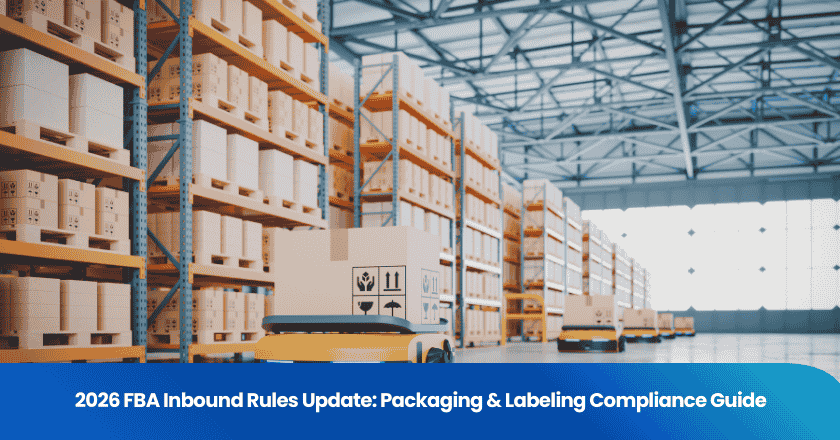
The FBA inbound rules update signals a major shift for Amazon sellers as the company will discontinue its prep and labeling services starting January 1, 2026. Responsibility shifts entirely from Amazon to the seller, making it essential for every business to master packaging and labeling compliance. Recent industry data suggests that approximately 71.8% of sellers currently depend on Amazon's prep services for at least a quarter of their inventory, highlighting the scale of this impact.
| Percentage | Description |
|---|---|
| 71.8% | Respondents relying on Amazon's prep services for at least a quarter of their inventory |
Now, sellers face new operational risks. Improper labeling, insufficient packaging, and mislabeled boxes often lead to inventory rejection or costly returns. The table below outlines the most common reasons why FBA shipments get rejected:
| Reason for Rejection | Description |
|---|---|
| Improper labeling | Missing, incorrect, or poorly placed barcodes are one of the top reasons. |
| Insufficient packaging | Items that aren't properly packaged can be damaged or deemed unfit for sale. |
| Incorrect shipment routing | Sending inventory to the wrong fulfillment center can result in fees and delays. |
| Mislabeled boxes | If outer cartons don't have the correct Amazon shipment ID label, the shipment could be refused. |
| Unapproved bundling | Items sold as sets must be clearly labeled and prepared per Amazon's guidelines. |
Key Takeaways
- Sellers must prepare all inventory to be FBA-ready before shipment starting January 1, 2026. This change shifts responsibility from Amazon to sellers.
- Improper labeling and packaging can lead to shipment rejection. Sellers should ensure all barcodes and labels are accurate and legible.
- Sellers can choose to manage FBA prep in-house or partner with third-party providers. Selecting reliable partners can help maintain compliance and reduce risks.
- Regular inspections and quality checks are essential. Sellers should monitor their inventory to meet Amazon's standards and avoid penalties.
- Proactive planning is crucial. Sellers should review their processes now to ensure a smooth transition and avoid disruptions when the new rules take effect.
FBA Inbound Rules Update: Key Changes
Discontinuation of Amazon Prep and Labeling Services
This policy update marks a turning point for sellers using Fulfillment by Amazon. Amazon will permanently end all FBA prep services for U.S. inbound shipments on January 1, 2026. This decision means that every new shipment must arrive at the warehouse fully prepped and labeled. The change applies to all FBA inventory, regardless of product type or category.
The timeline for this transition is clear:
| Date | Action |
|---|---|
| Now -> December 31, 2025 | Amazon prep is still available. Sellers should audit their processes. |
| January 1, 2026 | Prep and labeling services end. All new shipments must be compliant. |
| Post-deadline | Non-compliant units are unreimbursable if lost or damaged. |
Amazon's prep standards will no longer serve as a safety net for sellers. Any shipment that does not meet the requirements will face rejection or additional penalties. The update also introduces new fee structures and surcharges. For example, fulfillment fees will increase by an average of $0.08 per unit starting January 15, 2026. Small item fees will rise, and new inbound placement fee tiers will take effect. Storage fees in the West region will reach $0.57 per cubic foot, and aged inventory surcharges will double for slow-moving products. The Ships in Product Packaging (SIPP) policy will add a $2.07 fee for non-compliance. These changes highlight the importance of proper preparation and labeling.
New Seller Responsibilities for FBA Shipments
Once the new rules take effect, sellers must take full control of their inventory preparation. Amazon will no longer provide prep and labeling services. Sellers must ensure that every product is 100% FBA-ready before shipment. This responsibility includes following Amazon's prep standards for packaging, labeling, and documentation.
| Change in Responsibility | Description |
|---|---|
| Elimination of Services | Amazon will stop providing prep and labeling services for FBA shipments. |
| Seller Preparation | Sellers must ensure their inventory is fully prepared before shipment. |
| Increased Costs | Sellers may face higher operational costs due to third-party prep partners. |
| Risk of Rejection | Inventory that is not properly prepared may be rejected by Amazon. |
- Sellers must prepare all inventory to be FBA-ready before shipment.
- Products lacking proper preparation may be damaged or untraceable.
- Missing or defective labels will result in products being flagged as defects.
Sellers can choose to manage these tasks in-house or work with third-party providers. Many will need to update their standard operating procedures and train staff to meet Amazon's prep standards. The policy update also means that any non-compliant shipment may be unreimbursable if lost or damaged. This risk makes compliance with Fulfillment by Amazon requirements more important than ever.
Tip: Sellers should start reviewing their packaging and labeling processes now. Early action will help avoid costly mistakes and ensure a smooth transition when the new rules take effect.
Packaging and Labeling Compliance Essentials
Amazon expects every seller to follow strict packaging and labeling rules for FBA shipments. These requirements help prevent inventory rejection and costly returns. TradeAider's inspection standards highlight five main compliance areas. Sellers must address each area to meet FBA prep standards and avoid shipment delays.
Safety and Warning Mark Requirements
Safety marks and warnings protect customers and help sellers meet legal obligations. Amazon requires suffocation warnings on polybags with openings larger than 18 centimeters (approx. 5 inches). Children's products must display safety certifications, such as CPSIA labels. Carton labels must show all necessary information for warehouse staff.
| Requirement Type | Description |
|---|---|
| FNSKU | Unique identifier for inventory management. |
| Suffocation Warnings | Labels indicating potential suffocation hazards. |
| Carton Labels | Information required on the outer packaging. |
Sellers must check every package for proper warning marks before shipping to FBA warehouses. Missing or incorrect warnings can lead to immediate rejection.
Labeling Accuracy and Barcode Integrity
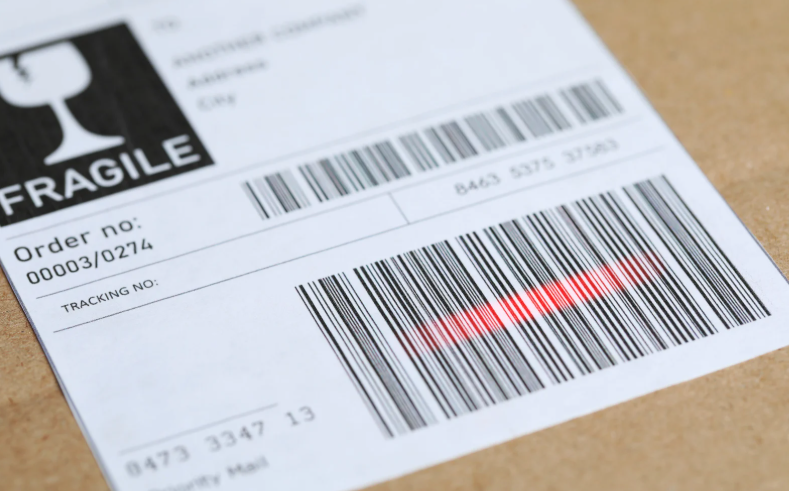
Accurate labeling ensures smooth processing at Amazon fulfillment centers. Every product and carton must display a scannable barcode, such as FNSKU or UPC. Labels must remain legible and attached throughout shipping. Amazon's guidelines require sellers to use high-contrast labels and place them correctly. Inspectors should perform rubbing tests to confirm label durability. Barcode errors or missing labels often cause inventory refusal. Sellers must verify that all barcodes match the product data in their shipment plans.
Packaging Content and Quantity Checks
Amazon expects the contents of each package to match the claims on the box and shipping manifest. TradeAider's inspections often find issues with quantity mismatches or missing accessories. The ordered list below shows common failures during packaging content and quantity checks:
- Repackaging or relabeling may be necessary if products do not meet Amazon's standards.
- Labeling compliance requires all FNSKU labels to be correctly applied.
- Packaging inspection confirms products follow Amazon's guidelines to prevent damage.
- Physical inspection checks for defects, damage, or quality issues.
- Functionality testing ensures electronics work as described.
Sellers must review packaging and label application requirements to avoid costly repackaging or returns.
Shipping Mark Consistency
Shipping marks on outer cartons must match the information in the seller's shipping plan. Amazon uses these marks to track inventory and verify shipments. Inconsistent shipping marks can cause confusion and rejection at the warehouse. Sellers must check that every carton displays the correct shipment ID, net weight, and other required details.
Dimensional and Physical Standards
Amazon enforces strict rules for carton types, product dimensions, and weight. Sellers must use approved cartons and follow guidelines for fragile, liquid, or sharp items.
| Accepted Carton Types | Not Accepted Carton Types |
|---|---|
| B flute | Point-of-sale containers |
| Regular slotted carton | Open boxes for display |
| ECT-32 | Pallet-sized boxes |
| 200 lb/sq.inch |
| Packaging Type | Requirements |
|---|---|
| Fragile Items | Must pass a 3-foot drop test when packaged. |
| Liquids | Must be double-sealed and bagged to avoid leaks. |
| Sharp Items | Require protective coverings. |
Amazon also sets size and weight limits for FBA shipments:
- US size requirements: Standard cartons must not exceed 25 inches for multiple standard-size or oversized items. Special cartons may exceed 25 inches only if containing one oversized item.
- Weight requirements: Standard cartons must not exceed 50 lb. Jewelry or watches must not exceed 40 lb. A single item can exceed 50 lb with a team lift label, or 100 lb with a mech lift label.
Sellers must follow FBA prep guidelines and check every shipment for compliance with dimensional and physical standards.
Note: These five compliance areas reflect Amazon's current FBA prep standards. Sellers must address each checkpoint to ensure inventory acceptance. Regular inspections help maintain compliance and protect shipments from rejection.
Impact of Policy Updates on Sellers
Operational and Cost Implications
The new rules will change how sellers manage their operations. Sellers must now handle all prep and labeling before sending inventory to Amazon. This shift increases both workload and costs. Many sellers will need to invest in new processes or hire third-party services. The table below shows the estimated cost per unit for common prep and labeling tasks:
| Service Type | Estimated Cost per Unit |
|---|---|
| FNSKU labeling | $0.40 - $0.70 |
| Poly bagging | $1.10 - $2.10 |
| Bubble wrapping | $0.50 - $1.50 |
| Boxing | $2.10 - $5.00 |
| Re-boxing | $5.00 - $10.00 |
| Multipack/bundling | $1.60 - $3.20 |
| Palletizing | $20.00 - $50.00 |
| Additional labeling | $0.20 - $0.50 |
Sellers who previously relied on Amazon for these services will see higher expenses. They must also spend more time on quality checks and compliance.
Risks of Non-Compliance
Non-compliance with FBA packaging and labeling standards brings serious risks. Sellers may face rejected shipments, expensive return fees, and delayed check-in times. Amazon can also suspend accounts for repeated violations. In categories with strict health or safety rules, Amazon may require certificates and safety documents. Incomplete paperwork can lead to compliance issues and even stricter enforcement. A significant percentage of new sellers experience shipment rejections due to non-compliant packaging. These rejections can lead to fees up to $6.90 per cubic foot and delay product launches.
Effects on Small and Large Sellers
The update affects small and large sellers differently. Small sellers often have fewer resources and staff. They may struggle with the increased responsibilities and costs. Large sellers usually have more experience and can adapt more easily. The table below compares the impact:
| Seller Type | Impact of FBA Inbound Rules Update |
|---|---|
| Small Sellers | More significant impact due to limited resources and increased responsibilities |
| Large Sellers | Less impact as they have more resources to manage changes |
Small sellers may need to seek outside help or invest in training. Large sellers can often handle the changes with their existing teams. Both groups must focus on compliance to avoid penalties from Amazon.
How Sellers Can Ensure Compliance

Building In-House Prep and Inspection Processes
Sellers who manage their own FBA prep gain total control over the preparation process. They can choose products that fit their brand and target market. Teams should inspect inventory for defects, damage, or missing parts. For large shipments, spot-checking a sample helps maintain quality. A thorough inspection before shipping ensures products meet Amazon standards.
Partnering with Third-Party Providers
Many sellers choose to work with third-party providers for FBA prep and labeling. Selecting the right partner is important. The table below shows key criteria for evaluating providers:
| Criteria | Description |
|---|---|
| Expertise in Amazon Prep | Knowledge of Amazon's policies to avoid compliance issues. |
| Cost and Fees | Transparent pricing for effective expense management. |
| Turnaround Time | Fast processing to prevent stockouts. |
| Location | Proximity to Amazon fulfillment centers to reduce shipping costs. |
| Technological Integration | Compatibility with inventory systems. |
| Reputation and Reliability | Strong reviews and references. |
Coordinating with Manufacturers
Effective coordination with manufacturers helps ensure FBA compliance. Sellers should generate labels through Amazon Seller Central before shipping. Sending carton labels to suppliers for labeling at the origin saves time. Each carton must have the correct FBA label, especially for split shipments. If suppliers cannot label at origin, marking cartons with the Amazon SKU is necessary.
Staff Training and SOP Updates
Training staff on Amazon's packaging and labeling rules keeps operations smooth. Teams should monitor Seller Central for updates and subscribe to Amazon newsletters. Participation in seller forums provides valuable insights. Comprehensive training programs and detailed manuals help staff understand each step.
Ongoing Monitoring and Quality Control
Maintaining FBA compliance requires ongoing monitoring. Teams should conduct regular product inspections to meet Amazon's standards. Monitoring customer feedback helps address issues quickly. Many sellers hire inspection companies for pre-shipment checks to catch problems before products reach the warehouse.
Tip: Leveraging inspection services like TradeAider can help sellers verify compliance and avoid costly disruptions.
Preparing for 2026: Action Plan
Immediate Steps for Transition
Sellers should act quickly to prepare for the end of Amazon's prep and labeling services. The transition to self-managed processes can seem complex, but a clear plan helps reduce risk. The following steps guide sellers through the immediate transition:
- Review all current prep requirements for each product category.
- Evaluate potential vendors and set clear budget limits for new costs.
- Build relationships with prep partners and test their services with trial shipments.
- Finalize main partnerships and document all new processes.
- Shift less critical inventory to new preparation methods first.
- Set up quality control systems and define performance metrics.
The decision to end FBA prep services marks a significant operational shift with several critical implications for sellers.
| Challenge | Description |
|---|---|
| Inventory Rejection | Inventory may be rejected if guidelines are not met. |
| Delayed Check-ins | Delays can affect stock availability. |
| Lost or Damaged Goods | Sellers may lose goods without compensation. |
| Negative Seller Metrics | Customer issues can lead to negative metrics. |
Long-Term Strategies for FBA Success
Long-term success on Amazon requires more than just compliance. Sellers should build robust systems and use available resources:
- Keep systematic records of all product costs in Seller Central.
- Reconcile inventory regularly, either weekly or bi-weekly.
- Submit reimbursement claims promptly to avoid extra fees.
- Protect high-value inventory with supplemental coverage.
- Optimize the IPI score by improving storage turnover.
- Manage aging inventory before long-term storage fees apply.
- Use advanced forecasting tools for inventory management.
- Optimize packaging to reduce dimensional weight and shipping fees.
- Follow guidelines for dangerous goods to ensure compliance.
Sellers who follow these steps and strategies will be better prepared for the new FBA landscape.
Adapting to the FBA inbound rules update remains urgent for every seller. Failure to comply with Amazon's packaging and labeling standards can result in shipment rejection, inventory disposal, and financial loss. The table below highlights key financial risks:
| Financial Consequence | Description |
|---|---|
| Loss of reimbursement eligibility | Sellers may lose claims for lost or damaged inventory if items were not prepped correctly. |
| Additional fees | Non-compliance can increase Amazon operational costs. |
| Inventory disposal risk | Amazon may dispose of unsaleable inventory without notice. |
Sellers should review their processes, seek support from compliance experts, and stay informed through Amazon Seller Central notifications. Proactive action ensures continued success as requirements evolve.
FAQ
What happens if a seller does not follow Amazon's packaging and labeling rules?
Amazon may reject the shipment. The seller could lose reimbursement rights. Inventory may face disposal or return. Non-compliance often leads to extra fees and delays.
Can a seller use any third-party prep service for FBA shipments?
Sellers should choose providers with Amazon FBA experience. Reliable partners understand Amazon's requirements. They help reduce the risk of shipment rejection.
How often should sellers inspect their inventory for compliance?
Regular inspections help maintain compliance. Many sellers check every shipment before sending it to Amazon. Some use third-party inspection services for added assurance.
Do packaging and labeling rules change for different product categories?
Yes. Amazon sets specific rules for items like liquids, fragile goods, and children's products. Sellers must review category guidelines to ensure full compliance.
Related Articles


Grow your business with TradeAider Service
Click the button below to directly enter the TradeAider Service System. The simple steps from booking and payment to receiving reports are easy to operate.

