
- About Us

- Our Services
- Your Industry
- Resources
- News & Blog
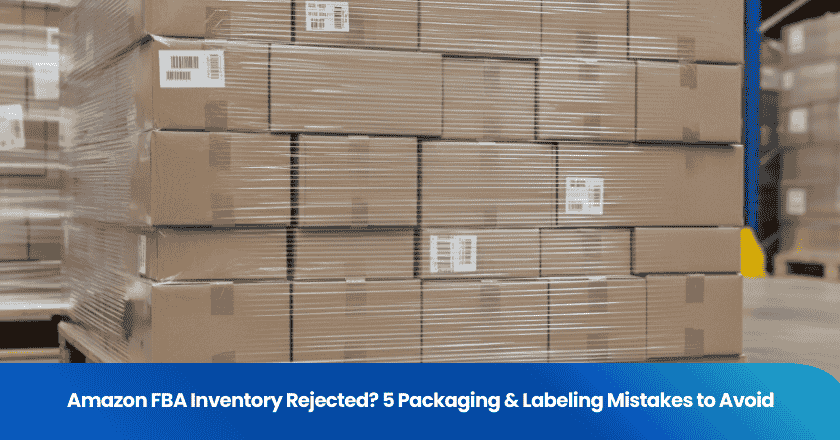
Many sellers feel frustrated when they face shipment refusals at Amazon fulfillment centers. Strict adherence to packaging and labeling rules is crucial, yet often overlooked. Statistics suggest that a significant percentage of new sellers encounter shipment rejections due to non-compliant packaging and labeling. Common reasons for these rejections include missing documentation, incorrect data entry, and physical packaging flaws. Reviewing your logistics process is essential to avoid these costly mistakes.
Key Takeaways
- Follow strict guidelines: Adhere to Amazon's packaging and labeling rules, such as using clear suffocation warnings and ensuring barcodes are scannable, to avoid shipment rejections.
- Conduct thorough quality checks: Inspect products for cleanliness and damage, and verify that all items match the packaging claims to prevent compliance issues.
- Utilize inspection services: Professional inspections ensure compliance with Amazon's requirements. These services catch errors early, helping sellers avoid delays and protect their business reputation.
Why Does Amazon FBA Inventory Get Rejected?
Common Compliance Failures
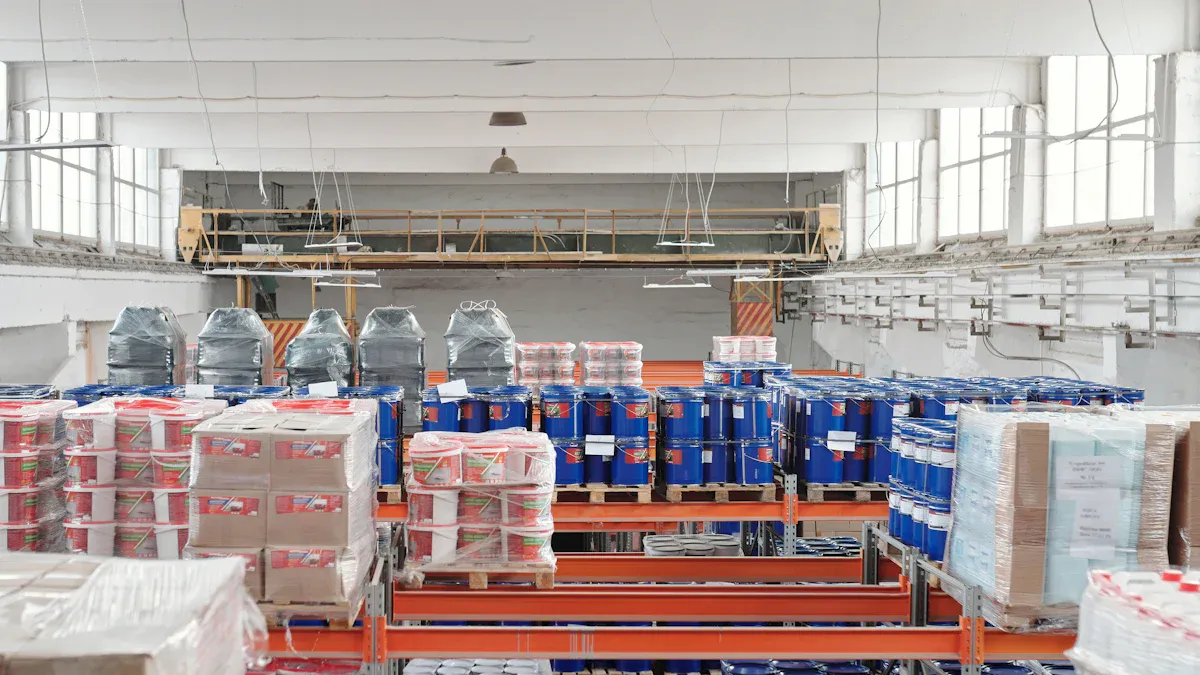
Amazon enforces rigorous packaging and labeling requirements to streamline warehouse operations and protect products. Sellers often experience inventory rejection due to logistics errors that violate these standards. Frequent mistakes include missing suffocation warnings on polybags, inaccurate barcodes, and packaging that fails drop tests.
Amazon expects polybags to be clear, bear scannable barcodes, and display suffocation warnings. Each side of the polybag should measure at least 1.5mm thick, and the closure must fit the product perfectly. Bubble wrap bags are necessary for fragile items, which must pass a 3-foot drop test. Product labels must match the listing title exactly.
Boxes must be tightly sealed and intact. Amazon requires every box and pallet to have proper FBA shipment labels. Only approved packing materials are allowed. Individual units need correct labeling, and expiration dates must be clear. TradeAider helps sellers avoid these mistakes by inspecting packaging and labeling at every stage. Their process includes quantity verification, product quality checks, defect identification, packaging compliance, and labeling accuracy.
| Step | Description |
|---|---|
| Quantity Verification | Ensures the number of units matches the order. |
| Product Quality Check | Inspects appearance and function to meet listing requirements. |
| Defect Identification | Spots defects early to prevent returns or unsellable stock. |
| Packaging Compliance | Verifies packaging meets Amazon's FBA guidelines. |
| Labeling Accuracy | Checks barcodes and labels for full compliance. |
Impact on Sellers
Rejections from Amazon can disrupt business operations and lead to financial losses. Sellers who make common logistics mistakes risk shipment delays, stock-outs, and lost sales. Incorrect labeling causes processing delays at fulfillment centers, and non-compliance with packaging standards can result in additional fees or suspension of selling privileges. Furthermore, rectifying these issues often requires expensive removal orders or disposal fees. Sellers must pay close attention to packaging and labeling to avoid these costly operational bottlenecks.
Improper Labeling and Barcode Errors
Missing or Inaccurate Barcodes
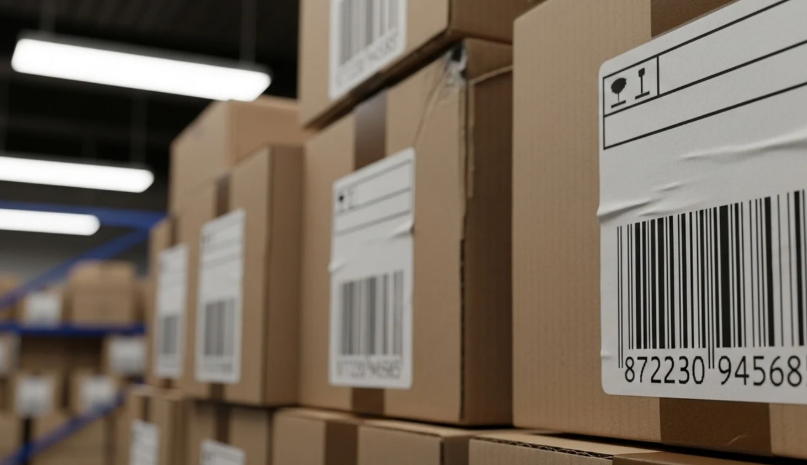
Many shipments face rejection due to mistakes in barcode application. Sellers often overlook proper label placement, leading to errors during Amazon's receiving process. When barcodes are missing or inaccurate, fulfillment centers cannot track inventory correctly. Invalid barcodes may cause listings to be suppressed, affecting product visibility. Common errors include missing labels, mislabeled products, unreadable prints, and sending items to the wrong warehouse. These errors disrupt inventory management and slow down shipment preparation.
| Requirement Type | Details |
|---|---|
| Label Placement | Labels must be on flat surfaces, avoiding edges and corners. For boxed items, center on the largest flat surface. Polybagged items require external visibility. |
| Barcode Standards | Use Code 128 symbology, minimum resolution of 300 DPI, and quiet zones of at least 0.25 inches around the barcode. |
| Barcode Orientation | Must be horizontal for optimal scanning, aligning with Amazon's equipment. |
| Quiet Zones | Blank spaces of at least 0.25 inches around the barcode are mandatory to ensure accurate scanning. |
Unscannable or Misplaced Labels
Improper labeling often results in unscannable or misplaced labels, creating errors at every stage of FBA processing. Multiple barcodes or overlapped labels can confuse warehouse staff and scanners. Processing delays happen when staff must locate and manually enter the correct barcode information. In severe cases, this leads to inventory rejection. Sellers must avoid these errors by following Amazon's labeling guidelines and verifying every label before shipment.
Tip: Always place labels on the largest flat surface and ensure barcodes are clear and easy to scan. Double-check for overlapping or hidden labels to prevent costly errors.
Failing to Optimize Packaging for Amazon FBA

Non-Compliant Polybag Warnings
Many sellers face rejection because they overlook polybag warning requirements. Amazon requires suffocation warnings in English on all polybags with openings of 5 inches or more. The warning must be clear and legible. For example, the label should state:
"WARNING: To avoid danger of suffocation, keep this plastic bag away from babies and children. Do not use this bag in cribs, beds, carriages, or playpens."
Sellers must print the warning directly on the bag or attach it in a visible spot. For international shipments, adding warnings in other languages may be necessary. Missing warnings are a primary reason for inventory rejection.

Incorrect Box Sizes or Materials
Choosing the wrong box size or using poor materials can cause serious problems. Boxes that are too large leave void space, which can result in crushed boxes and damaged products. Amazon sets strict rules for carton dimensions and weight:
| Requirement | Details |
|---|---|
| Carton Dimensions | Minimum 6" x 4" x 1"; Maximum 25" on any side; Max weight 50 lbs |
| Weight Limits | No more than 22.5 kg (50 lbs) per carton unless it contains a single oversized item |
| Prohibited Materials | No packing straps, elastic bands, or point-of-sale containers |
| Recommended Materials | Bubble film, heavy kraft paper, inflatable air pillows |
Providing accurate shipment weight and dimensions is critical. Failing to optimize packaging often results from ignoring these guidelines. Sellers should review Amazon's packaging rules to avoid common mistakes and protect their inventory.
Packaging Content Discrepancies
Packaging content discrepancies often cause shipment rejection at Amazon fulfillment centers. These mistakes can disrupt the entire inbound process and lead to costly delays. Sellers must pay close attention to the accuracy of both product counts and included accessories.
Mismatched Product Counts
Mismatched product counts occur when the actual number of items in a shipment does not align with the shipping plan or documentation. This issue can arise from several common mistakes:
- Miscounting box quantities
- Scanning items multiple times during packing
- Missing boxes in multi-box shipments
- Associating items with the wrong ASIN
- Documentation mismatches
These errors create confusion for Amazon staff and slow down inventory acceptance. The table below shows how mismatched product counts impact operations:
| Discrepancy Type | Impact on Inventory Management |
|---|---|
| Lost or Incorrect Shipments | Leads to mismatched product counts, preventing the immediate acceptance of inventory into sellable stock. |
| System Misalignment | Stock levels recorded in Amazon fulfillment centers do not align with seller systems, causing potential stockouts. |
| Synchronization Delays | Delays in real-time data updates create gaps in inventory visibility, hindering logistics planning. |
Accessories Not Matching Packaging Claims
Accessories that do not match the claims on the packaging description can also result in shipment rejection. For example, if a box states it contains ten components but only includes eight, Amazon may flag the shipment as defective. These mistakes often happen when packing teams overlook small items or misread packing lists. Sellers should always verify that every accessory listed on the packaging is present in each unit.
Dimensional Non-Compliance
Incorrect Carton or Product Sizes
Many sellers overlook the importance of carton and product dimensions when preparing shipments. Incorrect sizes are a frequent cause of inventory rejection. Amazon sets strict limits for box size and strength to ensure safe handling and efficient storage. Boxes that exceed 50 pounds or measure more than 25 inches on any side (without being an oversized unit) may face delays. Weak boxes and poor taping increase the risk of damage during transit. The table below highlights common mistakes and their consequences:
| Issue Type | Consequence |
|---|---|
| Heavy or oversized boxes | Delays processing and potential fines |
| Boxes > 50lb (unmarked) | Identified for rejection due to safety concerns |
| Height > 25 inches | Safety holds may be applied if not a standard pallet size |
| Weak boxes | Risk of breaking during conveyor belt handling |
| Bad taping | Risk of opening and item loss |
Tip: Sellers should measure every carton and check product dimensions before shipment to avoid costly mistakes.
Overweight or Underfilled Boxes
Weight limits play a critical role in FBA acceptance. Most boxes must not exceed 50 pounds. If a single item weighs more than 50 pounds, a "Team Lift" label is mandatory. Items over 100 pounds need a "Mechanical Lift" label. Exceeding these limits without proper labeling poses safety risks and leads to rejection. Conversely, underfilled boxes may shift during transit, causing internal damage. Amazon expects sellers to pack boxes tightly using approved dunnage.
Inadequate Product Preparation
Unclean or Damaged Goods
Amazon expects every item to arrive in clean, retail-ready condition. Products with dust, fingerprints, or visible damage often face rejection at the fulfillment center. Neglecting product prep requirements implies poor quality control. FBA guidelines require sellers to follow strict product preparation standards:
- Clean and intact packaging protects each item.
- Every product must have a visible, accurate barcode.
- Loose products need secure bags or packaging.
- Boxes must be sealed to prevent opening.
- Fragile items require extra protection (bubble wrap).
- Clothing and plush items should be in clear bags with suffocation warnings.
Sellers who ignore these steps risk having their shipments rejected. Cleanliness and proper packaging help maintain product quality and ensure a smooth check-in process.
Missing Final Quality Checks
Skipping final quality checks is a critical error. These checks catch issues before products leave the factory. A thorough quality control process includes:
| Quality Control Component | Description |
|---|---|
| Photo documentation | Visual proof of product condition and packaging before shipping. |
| Compliance checklists | Ensures all Amazon requirements are met before the container is sealed. |
| Defect tracking | Monitors and analyzes manufacturing defects to improve future production. |
Professional inspection solutions help sellers verify readiness before shipment. Third-party inspectors review packaging, labeling, and product condition. They use detailed checklists to confirm compliance, significantly reducing the risk of rejection.
How to Prevent Amazon FBA Inventory Rejected Issues
Follow Amazon's Packaging and Labeling Guidelines
Sellers can avoid common mistakes by following a clear process for FBA shipments. Use these best practices to meet all guidelines:
- Plan ahead and stay updated: Review Amazon's guidelines often and create a packaging checklist for every shipment.
- Optimize for efficiency and cost: Reduce void space in boxes and combine shipments where possible.
- Prioritize product safety: Over-package fragile items and consider weather or handling risks.
- Maintain clear communication: Ensure suppliers understand Amazon's specific packaging requirements.
Tip: A pre-shipment checklist helps sellers catch mistakes before they become costly problems.
Use Inspection Services for Compliance
Inspection services play a key role in preventing inventory rejection. These services check every product for quality, packaging, and labeling before the shipment reaches Amazon's fulfillment centers. Inspectors spot mistakes early, which helps sellers fix issues at the factory level. By making sure every shipment meets Amazon's strict guidelines, inspection services give sellers peace of mind.
Sellers who minimize rejection issues see faster acceptance and fewer delays. Following Amazon's guidelines and using professional inspection services improves product quality and reduces logistical errors.
- Double-check every shipment for correct barcodes and packaging.
- Review FBA requirements before sending.
Careful preparation prevents inventory rejection and supports business growth.
FAQ
What happens if a seller ships inventory late to Amazon?
Amazon may delay receiving the shipment, which can affect your inventory performance index (IPI). Persistent issues may lead to restrictions on your ability to send future shipments.
How can a seller check if packaging meets Amazon requirements?
Sellers can review Amazon's official guidelines in Seller Central and use third-party inspection services to verify packaging, labeling, and product preparation physically before the goods leave the manufacturer.
Why does Amazon reject inventory with missing barcodes?
Amazon relies on automated scanning systems to track inventory. Without a scannable barcode, the system cannot identify the product, leading to rejection and potential manual processing fees.
Related Articles


Grow your business with TradeAider Service
Click the button below to directly enter the TradeAider Service System. The simple steps from booking and payment to receiving reports are easy to operate.

