
- About Us

- Our Services
- Your Industry
- Resources
- News & Blog
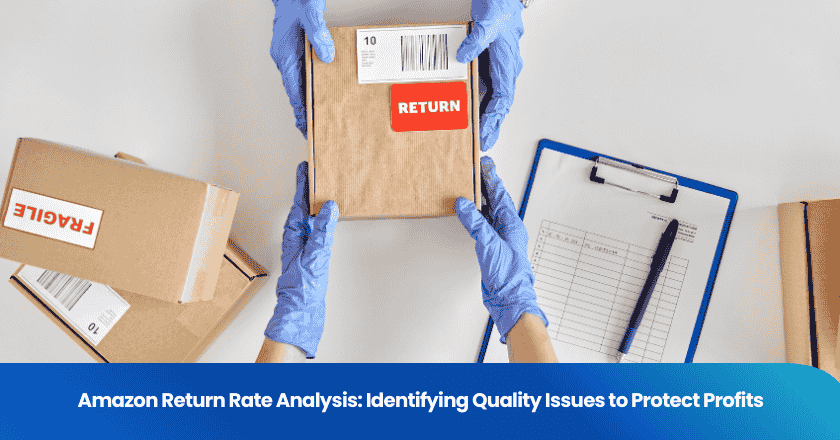
A sudden spike in your Amazon return rate often exposes hidden product quality issues that directly impact seller performance metrics. Sellers who monitor these rates closely can connect customer feedback with specific manufacturing defects. Each return not only erodes profits but also negatively affects your Amazon seller rating. According to recent industry data, ecommerce returns cost sellers billions annually, making it imperative to address the root causes immediately.

| Cost Category | Estimated Annual Cost |
|---|---|
| Total return costs (first-party + marketplace) | $40-88 billion |
Tracking defect types, rather than just quantities, allows sellers to pinpoint specific manufacturing flaws. By leveraging data analysis, you can identify the root causes of customer dissatisfaction—whether it's functional failure or cosmetic damage—and enhance the overall customer experience. A strong focus on quality control leads to lower return rates, better reviews, and improved seller metrics. Consistent quality assurance ensures that your products meet customer expectations, safeguarding your brand reputation on the platform.
Key Takeaways
- Monitoring Amazon return rates helps sellers identify hidden quality issues that can harm profits and ratings.
- Using data analysis to track defect types allows sellers to improve quality control and enhance customer satisfaction.
- Optimizing product listings with accurate descriptions and high-quality images reduces misunderstandings and lowers return rates.
- Regular inspections and collaboration with suppliers ensure high product quality, preventing defects before they reach customers.
- Leveraging customer feedback is crucial for identifying recurring issues and making necessary improvements to products.
Why Amazon Return Rate Matters
Impact on Profit and Brand
High return rates signal underlying quality issues that can quickly erode profit margins and damage brand reputation. Sellers who ignore the return rate risk losing money through grading errors, disposal fees, and cash flow delays. When returns increase, companies face higher operational costs and reduced sellable inventory. The following table shows how high return rates affect profit:
| Impact Factor | Description |
|---|---|
| Grading Errors | Undervaluation of inventory due to mishandled returns leading to profit loss. |
| Disposal Fees | Additional costs incurred from disposing of returned items. |
| Cash Flow Delays | Slower processing of returns affecting available cash for operations. |
| EBITDA Compression | Increased costs and reduced sellable inventory directly impacting profits. |
| Potential Profit Increase | Reducing return rates by 2-3% can add $50-150K annually to EBITDA. |
Brands with high return rates often see drops in sales and organic visibility. Products with ratings below 4.0 stars lose customer trust and experience lower conversion rates. Shoppers value product quality, and studies show it is a primary factor for satisfaction. Positive reviews and low return rates build loyalty and help brands grow sustainably.
Tip: Sellers should use data analysis to track defect types and address quality problems before they impact profit.
Customer Trust and Return Policy
Return rates also influence customer trust. Buyers expect a clear and fair return policy when shopping online. Amazon's return policy generally includes a 30-day window, hassle-free returns, and prepaid labels. These features make returns easy for the customer but costly for the seller if quality is not maintained.
| Feature | Description |
|---|---|
| 30-Day Return Window | Customers can return most items within 30 days, allowing ample time for satisfaction assessment. |
| Hassle-Free Returns | Easy initiation of returns through the website or app with clear instructions. |
| Refund Options | Customers can choose refunds to original payment, gift cards, or replacements. |
| Prepaid Return Labels | Many items come with prepaid return shipping labels, minimizing friction for customers. |
- Consumers are more likely to shop with retailers again if they have an easy returns experience.
- Positive customer experiences result in higher ratings and repeat purchases, fostering brand loyalty.
- Negative experiences can lead to increased returns and damage to brand reputation, affecting long-term customer trust.
Sellers who focus on product quality see lower return rates naturally. Tracking your Amazon return rate helps you identify quality issues and improve your products proactively. Data analysis supports better decision-making and builds trust with buyers.
Analyzing Amazon Return Rate Data
FBA Returns and Inspection Reports
Sellers rely on FBA returns reports and inspection data to uncover the root causes of high return rates. These reports provide detailed insights into every return, including when the return occurred, which product was involved, and the customer's stated reason. Sellers use this information to spot patterns and address recurring problems.
| Insight Type | Description |
|---|---|
| Return Date | Details about when the return was initiated by the customer. |
| Product Information | Information about the returned product, including ASIN, SKU, title, and quantity returned. |
| Return Reason | Specific reasons for returns, such as "item not as described" or "damaged in transit." |
| Detailed Disposition | Status of returned items categorized as "sellable," "unsellable," or "damaged." |
| Customer Comments | Optional comments from customers regarding the return, providing additional context. |
FBA returns reports help sellers analyze common return reasons and monitor the status of returned items. They also allow sellers to evaluate packaging effectiveness. Inspection reports add another layer of detail. Sellers use pre-shipment inspections and regular inventory checks to catch defects before products leave the factory. Customer feedback analysis helps sellers improve product quality and processes continuously.
Tip: Sellers should implement regular quality checks and analyze reasons for returns to prevent future issues.
Tracking Defect Types and Trends
Tracking defect types and trends is essential for reducing return rates and improving quality. Sellers examine return data to identify which defects appear most often and how these trends change over time. They focus on negative feedback, A-to-z claims, chargebacks, and product quality issues.
| Defect Type | Description | Impact on Performance |
|---|---|---|
| Negative Feedback | Ratings of one to two stars from customers. | Directly affects reputation. |
| A-to-z Claims | Customer requests for Amazon intervention due to dissatisfaction. | Can lead to penalties. |
| Chargebacks | Disputes initiated by customers through their bank. | Harms seller standing. |
| Late Shipments | Delays in shipping that lead to negative customer experiences. | Increases Order Defect Rates (ODR). |
| Product Quality Issues | Problems with items arriving damaged or not matching descriptions. | Impacts ODR metrics and ratings. |
Sellers compare their Acceptable Quality Limit (AQL) to the actual Cost of Quality (CoQ). If the cost of managing returns and negative feedback exceeds the savings from a loose AQL, sellers must tighten their quality limits. For example, a brand may lower its major defect tolerance from 2.5% to 1.5% to protect its reputation.
Sellers use FBA data to optimize product listings and packaging. They share insights with suppliers to address quality issues and focus on continuous improvement by reviewing return data regularly. Tracking defect frequency helps sellers negotiate better terms with suppliers and implement corrective actions.
Note: Regularly reviewing FBA returns data and inspection reports helps sellers detect problems early and maintain high product quality.
Common Return Reasons and Quality Issues

Understanding why customers send products back helps sellers improve quality and reduce the return rate. Careful analysis of return reasons reveals patterns that point to specific product quality issues.
Functional and Performance Failures
Many returns happen because products do not work as expected. Customers often mention these reasons:
- Product not as described: This happens when descriptions or images do not match the actual item received.
- Functionality failure: Products arrive broken, missing parts, or do not work as promised.
- Buyer's remorse: Some customers change their minds after buying, often because the product quality didn't meet expectations.
Sellers who track these issues in FBA reports can spot trends and address them quickly. High return rates from functional failures usually mean there are deeper manufacturing problems that need urgent attention.
Cosmetic and Structural Defects
Cosmetic and structural defects also drive up return rates. Shoppers notice scratches, dents, or poor assembly right away. Even minor visual flaws can lead to negative reviews and more returns. Sellers should review FBA inspection data to find out which defects appear most often. They can then ask suppliers to improve their processes or materials.
| Defect Type | Impact on Return Rate |
|---|---|
| Scratches/Dents | Higher returns, bad reviews |
| Poor Assembly | Increased returns, complaints |
| Color Mismatch | More returns, low ratings |
FBA Packaging and Compliance Problems
Problems with FBA packaging and compliance can cause returns before customers even see the product. Common issues include missing warning labels, incorrect quantities, or unsafe packaging. These mistakes can lead to rejected shipments and higher return rates due to transit damage. Sellers should check FBA requirements and work with suppliers to fix these problems.
Tracking defect frequency data helps sellers identify patterns in supplier performance. They can use this information to negotiate better terms, such as lower prices or stricter quality controls. Clear expectations and regular reviews encourage suppliers to improve, which lowers the return rate and boosts customer satisfaction.
Strategies to Reduce Return Rates
Optimizing Listings and Descriptions
Accurate product listings set clear expectations for buyers and help reduce return rates. Sellers who optimize their listings with precise details, high-quality photos, and thorough specifications see fewer returns. A well-crafted listing prevents misunderstandings about product size, features, and compatibility.
Ensuring that product listings are clear and accurate is the first line of defense against high returns. Misunderstandings about product size, functionality, or compatibility are common reasons for customer dissatisfaction.
| Strategy | Description |
|---|---|
| Optimize Listings with Accuracy & Clarity | Improve product detail pages to set accurate expectations, reducing refunds and building trust. |
| Use High-Quality Photos & Videos | Enhance visual presentation to help customers understand the product better, reducing mismatches. |
| Provide Detailed Sizing & Specs | Clear size charts and specifications help avoid mismatches, especially in apparel and footwear. |
Sellers who use high-quality photos and videos help buyers visualize products, which leads to fewer mismatches and lower return rates. According to seller surveys, the vast majority of customers find product descriptions and high-quality visuals crucial in their purchasing decisions.
Improving Product Quality and Inspection
Delivering high-quality products remains the most effective way to reduce returns. Sellers who invest in robust inspection processes and collaborate with suppliers to improve manufacturing standards see a significant drop in return rates. Regular inspections before shipment catch defects early and prevent poor-quality items from reaching customers.
| Quality Control Measure | Description |
|---|---|
| Analyze Return Data | Utilize Amazon's return insights to identify high-return SKUs and common return reasons. |
| Optimize Product Listings | Enhance product titles, descriptions, and images to meet customer expectations. |
| Improve Product Quality | Work with suppliers to ensure product durability and upgrade packaging to prevent damage. |
| Provide Support | Provide manuals, guides, and proactive customer support to reduce confusion and returns. |
Sellers who tighten their Acceptable Quality Limit (AQL) based on return data can prevent recurring defects. Continuous monitoring of product quality ensures that only high-quality products reach customers.
Enhancing FBA Packaging and Compliance
Proper packaging and compliance with FBA requirements play a vital role in reducing return rates. Sellers who invest in durable packaging and follow FBA guidelines minimize damage during shipping. Packaging that withstands transit prevents returns caused by mishandling.
| Best Practice | Description |
|---|---|
| Proper Labeling | Ensure products are correctly identified with scannable FNSKU labels and avoid covering barcodes. |
| Enhance Packaging Design | Create a memorable unboxing experience with branded packaging and inserts. |
| Conduct Durability Testing | Test packaging to withstand shipping conditions and ensure labels remain intact. |
| Continuous Evaluation | Regularly review customer feedback to optimize packaging solutions. |
Leveraging Customer Feedback
Customer feedback provides valuable insights into recurring quality issues and helps sellers reduce return rates. Sellers who collect feedback from multiple sources, such as social media and customer support, can identify patterns and prioritize improvements.
- Collect feedback from various sources, including social media and customer support.
- Analyze the feedback for patterns and trends, identifying common complaints and positive comments.
- Prioritize feedback based on its potential impact on the product.
- Take action on the feedback received, making necessary changes to products or services.
- Communicate improvements back to customers to show that their feedback is valued.
Seller Central offers tools to harness feedback from your customers. Here, you have the ability to monitor the health of your offers from a customer experience perspective, allowing you to gauge how well your products and listings are being received.
Ongoing data analysis supports continuous improvement. Sellers who monitor key performance indicators, such as Amazon return rate, conversion rates, and customer satisfaction scores, gain insights that help refine strategies. Tracking the Return Rate metric and reviewing defect frequency data allows sellers to measure the success of their initiatives.
Tip: Sellers who use data analysis to guide quality management and respond to customer feedback can maintain high-quality products and reduce return rates over time.
Analyzing Amazon return rate and defect types helps sellers improve product quality and reduce returns. Brands that review return data weekly and monthly can spot trends and make quick adjustments. Data-driven strategies, such as refining product listings and responding to feedback, boost customer satisfaction and ratings.
- Regular analysis uncovers product gaps and guides improvements.
- Customer feedback highlights unmet needs and shapes new products.
- E-commerce tools track performance and sentiment for better decisions.
| Metric | Target Requirement | Impact on Seller Ratings |
|---|---|---|
| Pre-fulfillment Cancel Rate | Below 2.5% | High cancel rates can lead to account suspension and indicate poor inventory management, negatively affecting seller ratings. |
| Valid Tracking Rate (VTR) | At least 95% | Low VTR can lead to account suspension and negatively impact seller ratings. |
| On-Time Delivery Rate | Above 97% | Low on-time delivery rates can lead to account suspension and harm seller ratings. |
| Customer Feedback | Aim for positive | Positive feedback enhances seller reputation, while negative feedback can harm it. |
Sellers who use data-driven strategies see higher ratings, lower costs, and happier customers.
FAQ
What is Amazon return rate?
Amazon return rate shows the percentage of products customers send back after purchase. Sellers use this metric to measure product quality and customer satisfaction.
How can sellers use return data to improve quality?
Sellers review return reasons and defect types. They identify patterns and work with suppliers to fix problems. Regular analysis helps prevent future returns.
Why do cosmetic defects matter for returns?
Cosmetic defects, such as scratches or stains, often lead to negative reviews and higher return rates. Customers expect products to look new and clean.
What is Acceptable Quality Limit (AQL)?
AQL sets the maximum number of defects allowed during inspection. Sellers adjust AQL based on return data to reduce defects and protect brand reputation.

Related Articles


Grow your business with TradeAider Service
Click the button below to directly enter the TradeAider Service System. The simple steps from booking and payment to receiving reports are easy to operate.

