
- About Us

- Our Services
- Your Industry
- Resources
- News & Blog
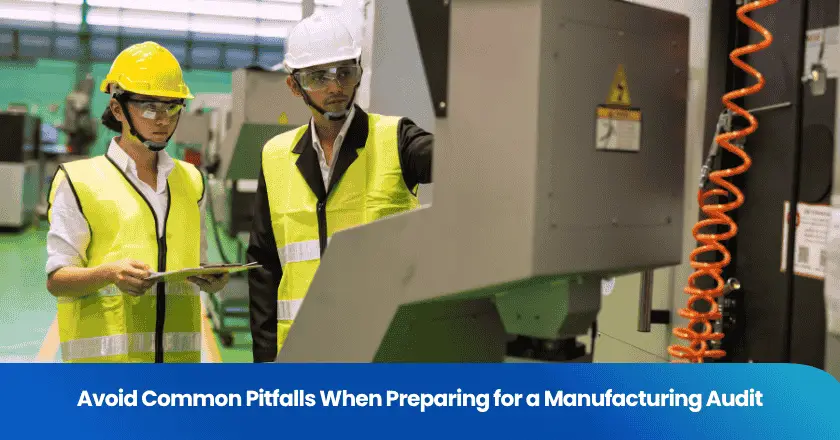
Mistakes during manufacturing audit preparation can cause big headaches. You might worry about skipping steps or missing something important. If you rush or overlook details, a manufacturing audit can quickly turn stressful. Taking time to prepare helps you avoid problems and keeps the audit on track. Smart planning means fewer surprises and better results.
Manufacturing Audit Overview
Audit Purpose
You might wonder why a manufacturing audit matters so much. The main goal is to check if your factory meets all the required standards. During the audit process, you show how your factory follows rules and keeps up with industry expectations. Auditors look at your systems, your records, and your daily operations. They want to see if your inspection routines catch problems before they grow. You use the audit to prove that your factory runs safely and efficiently.
A manufacturing audit also helps you spot gaps in your inspection methods. You get a chance to fix issues before they become bigger problems. The audit process gives you a clear picture of how well your factory meets standards. You can use this feedback to improve your inspection routines and keep your factory running smoothly.
Audit Importance
You need to take every audit seriously. Passing an inspection shows that your factory meets strict standards. This builds trust with your customers and partners. If you fail an audit, you might face delays, extra costs, or even lose business. That is why you should always prepare for the audit process.
Regular inspections help you keep your factory in top shape. You can catch small issues before they turn into big ones. Meeting standards during every audit means your factory stays competitive. You also protect your workers and your products. When you follow the right inspection steps, you make sure your factory meets all the standards set by the industry.
Tip: Treat every audit as a chance to learn and grow. Use the audit process to make your factory stronger and more reliable.
Common Pitfalls
Poor Preparation
You might think you can handle an audit with just a quick review. This approach often leads to trouble. A lack of preparation can cause you to miss important steps. You may forget to check your gmp procedures or overlook key inspection records. When you rush, you risk failing to meet standards. Auditors notice when you scramble at the last minute. They see gaps in your inspection routines and gmp compliance. If you want your factory to pass, you need to start your preparation early. Review your procedures, update your documentation, and make sure your inspection logs are complete. This way, you avoid surprises during the audit process.
Tip: Create a preparation checklist. Use it to track every step before the audit. This helps you stay organized and ready.
Incomplete Documentation
Missing or outdated documentation can stop your audit in its tracks. Auditors want to see clear records for every inspection and gmp procedure. If you cannot show proof, you may fail to meet industry standards. You need to keep your documentation up to date. This includes inspection reports, gmp training logs, and maintenance records. When your documentation is complete, you show that your factory follows all procedures and meets gmp requirements.
• Keep all inspection records in one place.
• Update your documentation after every inspection.
• Review your procedures and make sure they match your documentation.
Untrained Staff
Your team plays a big role during an audit. If your staff does not know the procedures, you risk failing the inspection. Auditors may ask questions about gmp standards or inspection steps. If your team cannot answer, it shows weak preparation. You need to train your staff on all procedures and gmp requirements. Hold regular training sessions. Review the audit process with your team. Make sure everyone knows their role during the inspection.
Note: Well-trained staff can answer questions and show auditors that your factory takes gmp seriously.
Unclear Scope
Sometimes, you may not know what the audit covers. This can lead to missed steps or ignored procedures. If you do not understand the scope, you might skip important inspection areas. You need to clarify the audit process before the inspection starts. Ask for a list of gmp standards and procedures the auditors will check. Review these with your team. Make sure your factory is ready for every part of the inspection.
Overreliance on Tech
Technology can help you manage inspections and documentation. However, you should not depend on it alone. If your system fails or data is missing, you may not meet gmp standards. Auditors want to see both digital and paper records. You need to back up your documentation and inspection logs. Test your systems before the audit. Make sure you can access all procedures and gmp records, even if there is a tech problem.
• Print key inspection reports.
• Keep backup copies of gmp procedures.
• Check your documentation for errors.
Weak Communication
Poor communication can cause confusion during the audit process. If your team does not know the schedule or procedures, you may miss important inspection steps. You need to keep everyone informed. Hold meetings before the audit. Share the inspection plan and gmp requirements. Make sure your team knows who handles each part of the audit. Good communication helps your factory run smoothly during the inspection.
Remember: Clear communication keeps your team focused and ready for every part of the audit.
Best Practices
Internal Audits
You can’t wait for an official audit to find out if your factory meets gmp standards. Regular internal audits help you spot problems before they become serious. When you run your own checks, you get a clear view of your procedures and documentation. You can use these findings to fix gaps and improve your quality assurance. Internal audits also prepare your team for the real thing. They know what to expect and how to respond. Make these audits part of your routine. Review your gmp procedures, check your documentation, and look for any weak spots. This habit keeps your factory ready for any inspection.
Tip: Use your internal audit findings to create action plans. Address issues right away and track your progress.
Documentation Control
You need strong documentation control to pass any audit. Auditors want to see clear, up-to-date records for every gmp procedure. If your documentation is messy or missing, you risk failing the audit. Set up a system that keeps all your records organized. Make sure everyone knows the documentation requirements. Update your documentation after every inspection or change in procedures. Store your records in a safe place, both digitally and on paper. This way, you always have proof that your factory follows gmp standards.
• Keep a checklist for documentation updates.
• Review your documentation before every audit.
• Train your team on proper documentation control.
Facility Readiness
A clean and organized factory shows you care about quality assurance. Auditors notice when your facility looks ready for inspection. Walk through your factory before the audit. Check for clutter, spills, or broken equipment. Make sure your gmp procedures for cleaning and maintenance are up to date. Keep your facility inspection-ready at all times. This habit helps you avoid last-minute stress and shows your commitment to best practices.
Note: Facility readiness is not just about looks. It proves you follow gmp and quality control processes every day.
Team Roles
Everyone in your factory should know their role during an audit. Assign clear responsibilities for each part of the inspection. Some team members handle documentation, while others answer questions about gmp procedures. Hold meetings before the audit to review everyone’s tasks. This approach keeps your team focused and confident. When auditors see a well-organized team, they trust your factory’s commitment to best practices.
• Create a chart of team roles for the audit.
• Practice mock audits to build confidence.
• Encourage team members to ask questions if they feel unsure.
Staff Training
You can’t expect your team to follow gmp procedures if they don’t understand them. Regular staff training is one of the best practices for audit success. Teach your team about gmp standards, documentation, and inspection steps. Use real audit findings as examples during training. This method helps your staff learn from past mistakes and avoid them in the future. Keep training sessions short and focused. Update your training materials after every audit to include new recommendations.
Reminder: Well-trained staff can answer auditor questions and show your factory’s dedication to quality assurance.
Risk Focus
Every audit brings new challenges. You need to focus on the areas that matter most. Review previous audit findings to spot patterns or recurring issues. Pay special attention to critical gmp procedures and high-risk processes. Bring in subject matter experts to review your quality control processes. Their recommendations can help you strengthen weak spots. By focusing on risk, you make sure your factory meets the highest standards.
• Analyze audit findings for trends.
• Prioritize improvements based on risk.
• Use expert recommendations to guide your next steps.
Callout: Focusing on risk helps you avoid surprises and keeps your factory ready for any audit.
Audit Preparation Checklist
Pre-Audit Steps
Start your audit preparation early. Use an audit checklist to keep track of every task. Walk through your facility and check all gmp procedures. Review documentation and records to make sure everything is current. Update your inspection logs and maintenance records. Clean your work areas and review cleaning protocols. Hold a team meeting to explain the audit process and answer questions. Assign roles so everyone knows what to do. Double-check your gmp training logs and make sure your staff understands their responsibilities. Print backup copies of key records in case you need them during the audit.
Tip: A standardized audit checklist helps you avoid missing important steps and keeps your team focused.
Day-of-Audit Steps
On the day of the audit, arrive early and walk through your facility one more time. Make sure your gmp procedures are visible and your records are easy to access. Greet the auditors and explain your audit process. Provide the audit checklist and show your team is ready. Answer questions clearly and honestly. If auditors ask for records, present them quickly. Keep your team calm and focused. Take notes on any findings the auditors mention. Stay organized and communicate with your team throughout the audit.
| Task | Responsible Person | Status |
|---|---|---|
| Present records | Documentation Lead | Complete |
| Answer gmp questions | Team Members | Ongoing |
| Note findings | Audit Coordinator | Ongoing |
Post-Audit Actions
After the audit, review the findings with your team. Go over the audit report and discuss any issues. Start corrective and preventive actions (CAPA) for any problems the auditors found. Update your gmp procedures and records as needed. Share feedback with your staff and use the findings to improve your next audit. Keep your audit checklist for future reference. Regularly review documentation and records to stay ready for the next inspection.
Remember: Every audit gives you a chance to learn and improve your gmp compliance.
Factory Inspections Readiness
GMP Compliance
You want your factory inspections to go smoothly, right? Start by focusing on gmp compliance. This means you follow strict criteria for every process in your factory. Auditors look for clear inspection criteria and expect you to meet all inspection requirements. You need to show that your factory follows gmp rules every day, not just during an audit.
Qualified inspectors will check your gmp procedures during factory inspections. They want to see that you understand the criteria and apply them in real situations. You should review your gmp checklist before every inspection. This helps you spot gaps and fix them early. If you keep your gmp standards high, you make factory audits less stressful.
Tip: Keep your team updated on gmp changes. Regular training helps everyone stay ready for factory inspections.
Process Records
Accurate records are the backbone of successful factory inspections. You need to keep detailed inspection logs for every process in your factory. Auditors will ask for these records during an audit. If you cannot show them, you risk failing the inspection. Make sure your records match the inspection requirements and gmp criteria.
Here’s a simple way to organize your records for factory inspections:
• Use a checklist for each inspection.
• Store records in a safe, easy-to-find place.
• Update your records after every inspection.
• Review records before every audit.
A table can help you track your inspection records:
| Inspection Area | Last Inspection Date | Records Complete? | Criteria Met? |
|---|---|---|---|
| Production | 2024-05-10 | Yes | Yes |
| Packaging | 2024-05-12 | Yes | Yes |
When you keep your records organized, you make factory inspections easier. You also show auditors that your factory meets all criteria. This approach leads to successful factory inspections and helps you pass factory audits with confidence.
You want your factory to pass every audit and inspection. When you avoid common pitfalls, you make each audit smoother. Keep your gmp procedures strong and your documentation ready. Train your team on gmp and review your audit checklist often. Every audit gives you a chance to improve your factory. Stay focused on gmp, and you will handle any inspection with confidence. Make audit preparation a habit. Your factory will always meet gmp standards. Use each audit as a tool for growth. Keep your inspection logs up to date. You can turn every audit into a win for your factory.
FAQ
What should I do if I find a mistake right before the audit?
Stay calm. Fix the mistake as soon as possible. Let your team know about the issue. Show auditors that you took quick action. Auditors like to see honest efforts to correct problems.
How often should I run internal audits?
You should run internal audits at least once every quarter. Regular checks help you catch issues early. They also keep your team ready for official inspections.
Who should lead the audit preparation?
Pick someone who knows your processes well. This person should organize documents, assign tasks, and answer questions. A strong leader keeps everyone focused and ready.
What records do auditors check most often?
Auditors usually check training logs, inspection reports, and maintenance records. They want to see proof that you follow procedures every day.
Tip: Keep these records updated and easy to find.
How can I help my team feel less nervous during an audit?
Practice mock audits with your team. Answer questions together. Remind everyone that audits help you improve. A confident team makes the audit go smoother.
Related Articles



Grow your business with TradeAider Service
Click the button below to directly enter the TradeAider Service System. The simple steps from booking and payment to receiving reports are easy to operate.

