
- Über uns

- Unsere Dienstleistungen
- Ihre Branche
- Ressourcen
- Nachrichten & Blog
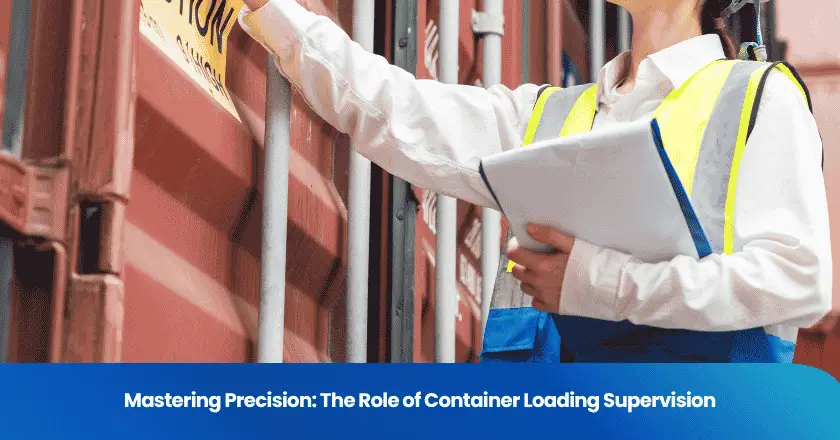
In the complex logistics chain of global trade, container loading is the critical handover point between production and long-haul transport. Many costly supply chain issues — from cargo damage and quantity shortages to customs detention and liability disputes — originate from unsupervised loading operations at the factory or warehouse. Once a sealed container departs the origin, correcting loading errors becomes exponentially more expensive, often resulting in delayed deliveries, return shipping costs and unresolvable accountability disputes.
Professional container loading supervision (CLS) serves as an independent, on-site quality control checkpoint at this high-risk transition. It ensures that verified goods are loaded correctly, secured properly and shipped in full compliance with order specifications, transport standards and regulatory requirements. For importers, brands and logistics managers, this level of oversight turns an opaque loading process into a traceable, controlled operation, protecting both cargo integrity and supply chain reliability.
What Is Container Loading Supervision?
Container loading supervision is a third-party on-site service that oversees the entire loading process from empty container arrival to final sealing. Conducted by trained independent inspectors at the factory, warehouse or loading yard, it verifies container condition, cargo quantity, packaging integrity, stowage practice and sealing procedures against pre-agreed requirements.
Unlike product quality inspection, which focuses on the merchandise itself, loading supervision focuses on the handling and shipment of the goods. It does not replace pre-shipment quality checks; instead, it acts as the final gatekeeper to ensure that qualified products are correctly, completely and safely loaded for transit.
Common Risks of Unsupervised Container Loading
Without professional on-site oversight, loading operations carry a range of hidden risks that often only surface at the destination port.
Quantity and SKU Discrepancies
Short shipment, over shipment or wrong SKU loading are among the most frequent loading errors. Factory packing teams may miscount cartons, mix up product variants or ship incorrect quantities, and the discrepancy will remain undiscovered until the container is opened at destination — by which time rectification is slow and costly.
Preventable Transit Damage
Improper stacking, inadequate cushioning, heavy cargo placed on top of fragile goods, or missing load securing measures are leading causes of in-transit damage. Most of these losses are avoidable with correct loading practice, but unsupervised factory teams often prioritize loading speed over transport safety.
Defective or Contaminated Containers
Empty containers may have hidden structural damage, water leaks, residual moisture, mold, chemical odor or debris left from previous cargo. Factory loading teams rarely perform a systematic empty-container check, and defective units can ruin entire shipments through water damage, contamination or structural failure at sea.
Imbalanced Weight Distribution
Uneven weight distribution, overloading or concentrated heavy loads violate maritime safety regulations. They can cause container tipping, chassis damage or port safety penalties, and in severe cases may lead to cargo collapse during rough sea conditions.
Ambiguous Liability for Losses
When damaged or short-shipped goods arrive at destination, it is often impossible to prove whether the issue occurred during loading, transit or unloading. This creates prolonged disputes between factories, carriers and receivers, with no clear evidence to assign accountability.
Customs Clearance Delays
Mismatched shipping marks, incorrect labeling or undeclared goods loaded into the container can trigger customs inspection, detention or fines at the import port, causing costly schedule disruptions.
Core Value of Professional Loading Supervision
A structured loading supervision program delivers measurable returns across risk, cost and efficiency dimensions.
Verified Order Accuracy
On-site inspectors reconcile physical cargo against the purchase order and packing list, ensuring the correct quantity, SKU and product configuration are loaded before the container is sealed.
Reduced Transit Damage Rates
By enforcing proper stowage, cushioning and load securing practices, supervision drastically reduces damage caused by improper loading — the single largest category of preventable cargo loss in sea freight.
Clear Liability Demarcation
A timestamped, photo-documented loading report creates an objective record of cargo condition at the point of origin. If damage is found at destination, stakeholders can accurately determine whether the issue originated in loading or in transit, eliminating unfounded disputes.
Regulatory and Customs Compliance
Supervision verifies that shipping marks, labeling, weight distribution and container sealing meet import/export regulatory requirements, lowering the risk of customs holds and administrative penalties.
Optimized Load Efficiency
Experienced inspectors can advise on stowage arrangement to maximize container space utilization, reducing wasted volume and lowering per-unit shipping costs without compromising cargo safety.
End-to-End Supply Chain Transparency
For buyers managing remote suppliers, loading supervision provides independent visibility into a stage that is otherwise completely reliant on factory self-reporting.
Step-by-Step Loading Supervision Workflow
A standard loading supervision follows a structured three-phase workflow to ensure complete coverage from container arrival to departure.
1. Pre-Loading Verification
Before any cargo is moved into the container, inspectors complete:
- A full empty-container condition inspection, checking structure, cleanliness, water tightness and door functionality
- A random sampling check of outer cartons, shipping marks and packaging condition
- Quantity reconciliation against the packing list and purchase order
- A review of the planned loading and stowage scheme
2. In-Loading Process Supervision
Throughout the loading process, inspectors monitor on-site operations:
- Oversee loading sequence and stacking pattern
- Verify that fragile and heavy items are placed according to best practice
- Confirm proper use of dunnage, straps, airbags and protective materials
- Record any packaging damage or exceptions identified during loading
- Ensure no unapproved or undeclared items are loaded into the container
3. Post-Loading Confirmation and Sealing
Once loading is complete, inspectors:
- Perform a final count reconciliation to confirm total quantity matches documentation
- Verify proper placement of final cargo and bracing
- Supervise container door closing and application of the tamper-evident seal
- Record and photograph the unique seal number for full traceability
- Compile a complete loading report with full photo documentation
Critical Inspection Checkpoints
Professional loading supervision covers four core inspection dimensions, with check items calibrated to cargo type and transport mode.
Container Condition Checkpoints
- Structural integrity: no dents, cracks, holes or rust perforations on walls, floor and roof
- Weather tightness: intact door gaskets, no visible water leakage risk
- Cleanliness: no residual debris, moisture, mold, odor or chemical contamination
- Door functionality: locking mechanism operates correctly, doors seal fully
- Interior dimensions match the specified container type (20ft, 40ft, 40HQ etc.)
Cargo Verification Checkpoints
- Total quantity matches purchase order and packing list specifications
- Product SKU, specification and outer packaging match approved requirements
- Shipping marks, carton labels and handling instructions are correct and legible
- No visible outer packaging damage such as crushed cartons, broken seals or wet stains
Loading Operation Checkpoints
- Stowage follows the approved plan: heavy cargo at the bottom, light cargo on top
- No unstable stacking, overhang or uneven weight distribution across the container floor
- Fragile items are properly isolated, cushioned and positioned away from impact zones
- Cargo is secured with straps, dunnage or airbags as required to prevent shifting in transit
- Container volume and weight limits are respected to avoid overloading
Sealing and Documentation Checkpoints
- Container is sealed with a unique tamper-proof seal immediately after loading
- Seal number is formally recorded and photographed for audit trail
- Full photo record is kept: empty container, mid-loading process, fully loaded container and sealed doors
- Final report documents all quantities, exceptions and on-site corrective actions
Loading Requirements by Cargo Category
Loading standards vary significantly by product type. A qualified supervision service adjusts checkpoints to match the specific risk profile of the cargo.
- Fragile goods (glass, ceramics, electronics): Require individual cushioning, no inverted placement, limited stacking height and edge protection. Inspectors verify that heavy items are never placed above fragile cartons.
- Furniture and bulky items: Require corner protectors, correct orientation and scratch isolation. Large flat pieces must be properly braced to prevent sliding and impact damage.
- Apparel and textiles: Require moisture-proof packaging and separation from damp container walls. Hanging garments require secured rails and load stability checks.
- Heavy machinery and industrial parts: Require centered weight distribution, wooden dunnage for load spreading and steel strapping to prevent shifting during transit.
- Hazardous / chemical goods: Must follow IMDG code requirements, including segregation rules, hazard label placement and load limitation rules to comply with dangerous goods transport regulations.
Compliance Standards and Regulatory Alignment
Loading supervision aligns with widely recognized international transport and trade regulations to ensure shipments meet destination market requirements.
Key frameworks include:
- SOLAS VGM (Verified Gross Mass): The international maritime requirement for verified container gross weight, which must be declared before vessel loading.
- IMO Container Safety Regulations: Governs structural and operational safety standards for intermodal containers.
- Customs manifest and seal requirements: Ensures seal numbers, cargo descriptions and shipping marks match customs declaration documents to avoid clearance delays.
- International sea freight stowage and lashing standards: Best practices for load securing to withstand normal sea motion conditions.
- Target market labeling and marking rules: Verifies that product and carton labeling meets import regulatory requirements for the destination country.
On-Site Problem Resolution: Real-Time Risk Mitigation
A core advantage of on-site supervision is the ability to address issues immediately while the container is still at the loading facility and corrective action is low-cost.
Common on-site resolutions include:
- If packaging damage is found during loading, inspectors can require on-site repacking or reinforcement before the carton is loaded.
- If the empty container fails condition checks, inspectors can require the carrier to provide a replacement unit before loading begins.
- If quantity discrepancies are identified, inspectors will pause loading and coordinate with factory staff to reconcile counts and correct shortages.
- If the stowage plan risks cargo damage, inspectors can advise on adjusted stacking and securing methods in real time.
- If undeclared items are identified, the issue is recorded and reported to the buyer immediately for a decision before sealing.
This immediate intervention prevents small loading errors from becoming expensive destination-side problems, which is the primary operational value of professional supervision.
How Loading Supervision Integrates With Full QC Workflows
Loading supervision works most effectively as part of a complete quality control pipeline, not as a standalone service.
Typically, a final random inspection (FRI) is conducted first to confirm product quality meets acceptance standards. Only after the batch passes quality inspection is loading supervision scheduled. This creates a two-stage control system:
- Final inspection verifies what is being shipped is correct and qualified.
- Loading supervision verifies how it is shipped is correct, complete and secure.
This combination eliminates the two largest origin-side risks: bad product, and good product damaged or lost during loading. For high-value or high-risk shipments, many buyers also add pre-production and during-production inspection to form an end-to-end supply chain quality framework.
Frequently Asked Questions
What is the difference between final inspection and container loading supervision?
Final inspection evaluates product quality, workmanship and specifications against approved standards. Container loading supervision verifies quantity, packaging condition, container suitability and correct loading practice. They are sequential, complementary services: inspection confirms the goods are good; supervision confirms the good goods are properly shipped.
How long does a standard loading supervision take?
A standard 20-foot full container load typically takes 2–4 hours of on-site supervision. A 40-foot high cube container generally takes 4–6 hours. Duration varies based on cargo complexity, loading speed and whether on-site corrective actions are required.
Can supervision be arranged for LCL (less than container load) shipments?
Yes. For LCL shipments, supervision covers cargo handover at the consolidation warehouse, including quantity verification, packaging condition check and proper segregation from other consignments to prevent damage, mixing or loss.
How far in advance should loading supervision be scheduled?
It is recommended to book 1–2 business days in advance to ensure inspector availability at the loading location. Inspectors arrive before the scheduled loading start time to complete the empty container inspection first.
Does standard loading supervision include VGM weighing?
Standard supervision covers process oversight and documentation. VGM weighing service can be added as a dedicated scope item if required for SOLAS compliance. Clients should specify this requirement when booking the service.
TradeAider Container Loading Supervision Services
TradeAider provides on-demand container loading supervision services across major manufacturing and port regions in China, supporting full container loads, less-than-container loads and bulk cargo loading operations.
Our on-site inspectors follow standardized protocols calibrated to cargo type and shipping requirements, and deliver official photo-documented reports within 24 hours of service completion. Clients can also monitor loading progress and view real-time findings through our online service system, enabling immediate decision-making if on-site adjustments are needed.
From empty container inspection and cargo reconciliation to stowage oversight and sealed container documentation, TradeAider helps importers, e-commerce sellers and brands eliminate loading-stage risks and establish clear accountability between factories, logistics providers and destination receivers.
Conclusion
Container loading is a small but high-stakes link in the global supply chain. A single oversight in stowage, counting or container condition can cascade into thousands of dollars in losses, weeks of delay and protracted commercial disputes.
Professional loading supervision brings precision, independence and traceability to this critical handover point. It does not merely observe the process — it verifies compliance, resolves issues in real time and creates an auditable record that protects all parties in the supply chain.
For businesses that rely on consistent, damage-free deliveries, loading supervision is not an added expense. It is a cost-effective risk control measure that safeguards cargo integrity, streamlines customs clearance and upholds the reliability of the entire logistics network. When executed with discipline, it turns container loading from a source of uncertainty into a controlled, predictable step in global trade.
Verwandte Artikel



Erweitern Sie Ihr Unternehmen mit TradeAider Service
Klicken Sie auf die Schaltfläche unten, um direkt in das TradeAider Service System zu gelangen. Die einfachen Schritte von der Buchung und Zahlung bis zum Erhalt der Berichte sind leicht zu bedienen.

