
- Acerca de Nosotros

- Nuestros Servicios
- Su Industria
- Recursos
- Noticias y Blog
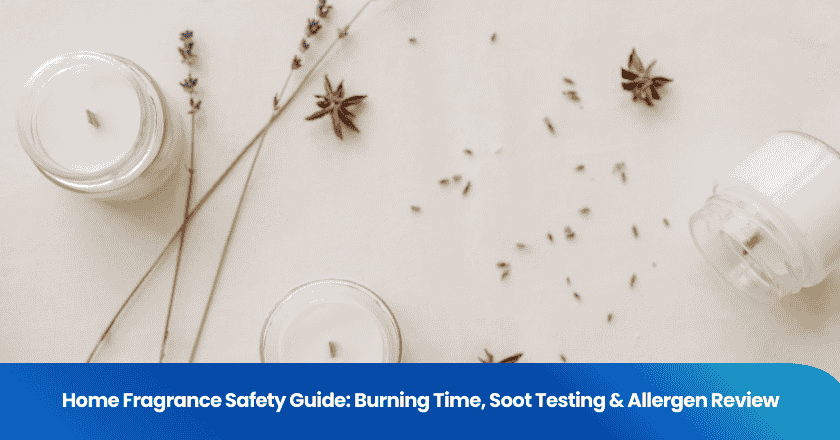
Natural scented candles and essential oils with verified ingredients offer the safest choice for indoor use. With growing concerns over indoor air quality, allergies, and the impact of fragrance on health, consumers are becoming more discerning. Data indicates that a significant portion of the population reports adverse effects from fragranced products, highlighting the need for rigorous safety standards and informed purchasing decisions.
| Statistic | Percentage/Number |
|---|---|
| Americans reporting adverse effects from fragranced products | 38% |
| General population reporting health problems from air fresheners | 20% |
| Asthmatics reporting health problems from air fresheners | 34% |
| People with chemical sensitivity reporting health problems | 58% |
Candles made with natural wax and essential fragrance oils help reduce soot and allergen risks. They deliver a clean scent and create a pleasant ambiance in the home. Testing burning time, throw, and composition remains essential for a safe experience.
Key Takeaways
- Choose natural scented candles made from soy, coconut, or beeswax for cleaner burning and better indoor air quality.
- Always read labels for ingredient transparency and look for safety certifications to avoid harmful chemicals.
- Trim candle wicks to 1/4 inch before lighting to reduce soot production and improve burn efficiency.
- Be aware of common fragrance allergens and select products with clear allergen information to protect sensitive individuals.
- Maintain good ventilation while burning candles to minimize indoor air pollutants.
Candle Safety and Home Fragrance
What Makes a Product Safe?
Candle safety depends on several important factors. Manufacturers must choose materials that burn cleanly and avoid releasing harmful substances. Clean-burning options use waxes and wicks that do not produce dangerous fumes. Conversely, synthetic fragrance candles often contain chemicals that can negatively affect air quality.
A safe candle or home fragrance product meets strict requirements for chemical stability and physical performance. The table below shows the main factors that determine safety:
| Category | Description |
|---|---|
| Stability and Reactivity | Chemical stability and risk of hazardous reactions. |
| Toxicological Information | Health effects from exposure to ingredients. |
| Regulatory Information | Safety, health, and environmental regulations. |
Non-toxic candles avoid ingredients that can cause health problems. Scented candles can be safe if they use high-quality materials and follow proper burning practices. Synthetic versions may contain volatile organic compounds (VOCs) or phthalates, which can cause respiratory issues and are regulated to minimize health risks.
Key Safety Standards
Candle safety relies on following strict standards. Manufacturers must meet rules that control the use of certain materials and set limits for chemical content. Guidelines include testing for flame retardancy and chemical compliance. Products must pass tests for burning time and soot emission to ensure they are safe for home use.
| Rule Type | Description |
|---|---|
| Prohibition | Ban on using materials that are too harmful for safe use. |
| Restriction | Limits on the amount of certain chemicals in candles and fragrance products. |
| Specification | Conditions for the purity or source of fragrance materials. |
Manufacturers must follow international standards such as ISO 22716 for cosmetics and FDA requirements where applicable. These standards require testing for allergens and restricted substances.
Red Flags to Watch For
Consumers should watch for warning signs when choosing candles and home fragrance products. Safety guidelines highlight several red flags:
- Lack of ingredient transparency.
- Excessive soot production during burning.
- Strong chemical scents, which may indicate high levels of VOCs or phthalates.
- Absence of safety certifications or compliance marks.
- Poor burning performance, such as uneven melting.
Tip: Always read the label and look for safety certifications before buying candles or home fragrance products.
Candle Composition and Burning Time
Wax Types and Burn Duration
The type of wax used significantly affects how long a candle will burn. Laboratory tests show that wax properties such as melt point and density play a major role in burn duration. Soy and coconut waxes generally burn longer and cleaner than paraffin. Beeswax offers a slow burn due to its high density but is often more expensive.
| Wax Type | Characteristics | Burn Duration Impact |
|---|---|---|
| Soy | Burns longer and cleaner than paraffin | Longer burn time due to lower melt point |
| Beeswax | Dense and natural | Slow burn, very long lasting |
| Coconut | Soft and sustainable | Extended burn time with good scent throw |
Factors Affecting Burning Time
Several external factors also influence how long candles burn:
| Factor | Impact on Burn Time |
|---|---|
| Airflow and Drafts | Excessive airflow increases flame size and wax consumption. |
| Ambient Temperature | Warm environments can lead to faster wax consumption. |
| Wick Maintenance | Untrimmed wicks burn inefficiently, shortening overall burn time. |
Performance Testing Protocols
Manufacturers use standardized protocols to test how candles burn and perform. The process includes wick trimming to 1/4 inch before each burn and recording flame height, container integrity, and smoke levels every hour. If any safety criteria are not met, the candle fails the test.
Soot Testing and Air Quality
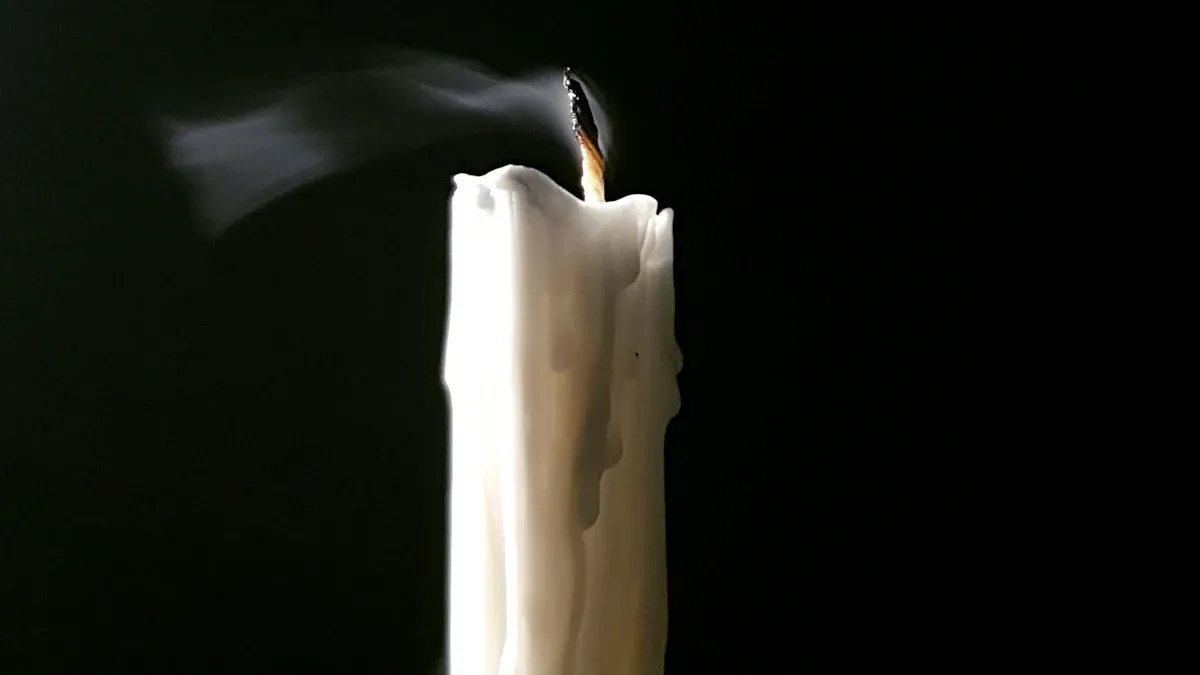
What Is Soot?
Soot forms when candles undergo incomplete combustion. These tiny particles can affect indoor air quality, consisting of carbon, ash, and organic compounds. Black soot deposits can build up on walls and ceilings if candles burn for long periods, potentially containing VOCs.
Soot Testing Methods
Laboratories use several methods to measure soot emissions. Scientific analysis identifies VOCs and particulate matter to ensure combustion efficiency.
| Testing Service | Description |
|---|---|
| Vapour and Gas Testing | Identifying VOCs, carbon monoxide, and other hazards. |
| Soot Analysis | Quantifying particulate emissions to assess combustion efficiency. |
| Burning Rate Studies | Evaluating burn duration and wax efficiency. |
Minimizing Soot Emissions
Consumers can take practical steps to reduce soot:
- Keep candles away from drafts to maintain a steady flame.
- Use open-top holders for better airflow.
- Trim wicks to about 1/4 inch before every lighting.
- Choose candles made from clean-burning wax like soy or beeswax.
Home Fragrance Allergen Review

Common Fragrance Allergens
Fragrance ingredients can trigger allergic reactions in sensitive individuals. Common allergens include Balsam of Peru, Linalool, and Limonene. These can cause skin irritation, respiratory symptoms, and headaches.
Natural vs. Synthetic Ingredients
It is a common misconception that natural equals safe. Both natural and synthetic fragrance ingredients can contain allergens. For example, oakmoss is natural but highly allergenic. Manufacturers must test both types of ingredients to ensure safety. Consumers should read labels carefully regardless of whether the product claims to be "natural."
Allergen Testing and Compliance
Manufacturers must follow strict rules, such as IFRA Standards, to ensure safety. Regulatory standards often require companies to list specific allergens on product labels if they exceed certain concentrations.
| Compliance Standard | Requirement |
|---|---|
| ISO 22716 | Good Manufacturing Practice for cosmetics and fragrance. |
| European Union | Listing of 26 fragrance allergens above 0.01% concentration. |
Risks for Sensitive Groups
Children, pets, and individuals with asthma face higher health risks from fragrance allergens. As noted in the introduction statistics, a significant percentage of asthmatics report respiratory problems when exposed to scented products. To minimize risks, sensitive groups should opt for fragrance-free products or those with natural, hypoallergenic ingredients.
Choosing Safe Home Fragrance Products
Reading Ingredient Labels
Improving indoor air quality starts with reading labels. Look for a clear statement of identity, net weight, and manufacturer contact info. This allows for authenticity verification. Avoid products with vague terms like "fragrance" if you have sensitivities, and look for specific oil listings.
Certifications and Compliance
Third-party certifications help buyers identify safer products. Labels like Green Seal, U.S. EPA Safer Choice, and MADE SAFE indicate that a product has undergone rigorous testing for chemical safety and environmental impact.
| Certification | Focus |
|---|---|
| Green Seal | Safer human and environmental profiles. |
| EPA Safer Choice | Safer chemical formulations. |
| MADE SAFE | Screened for known behavioral toxins, carcinogens, and more. |
Practical Buying Tips
Select candles and fragrance products with clear labeling, trusted certifications, and natural ingredients. Avoid paraffin wax if you are concerned about petroleum-based pollutants, and prioritize vegetable-based waxes like soy or coconut.
Safe choices for candles and home fragrance products rely on laboratory testing and strict compliance. Prioritizing products that meet safety standards ensures a clean and pleasant home environment.
| Compliance Aspect | Description |
|---|---|
| Accurate Labeling | Informs buyers about ingredients and potential allergens. |
| Allergen Testing | Reduces the risk of allergic reactions. |
| IFRA Standards | Guides safe scent levels for all fragrance items. |
FAQ
What wax types burn the cleanest indoors?
Soy, coconut, and beeswax candles are generally considered to burn cleaner than paraffin, producing less soot and fewer airborne chemicals.
How can someone reduce soot from candles?
Trim the wick to 1/4 inch before every use, keep the candle away from drafts, and ensure the wax pool is free of debris.
Are fragrance allergens always listed on labels?
In the EU, 26 specific allergens must be listed if they exceed a certain threshold. In other regions, regulations vary, so checking for voluntary disclosure or specific "free-from" claims is important.
Do natural scented candles cause allergies?
Yes, natural ingredients like essential oils can still trigger allergies. Being "natural" does not guarantee a product is hypoallergenic.
Artículos Relacionados


Haga crecer su negocio con el Servicio TradeAider
Haga clic en el botón de abajo para ingresar directamente al Sistema de Servicios TradeAider. Los pasos simples desde la reserva y el pago hasta recibir los informes son fáciles de operar.

