
- About Us

- Our Services
- Your Industry
- Resources
- News & Blog
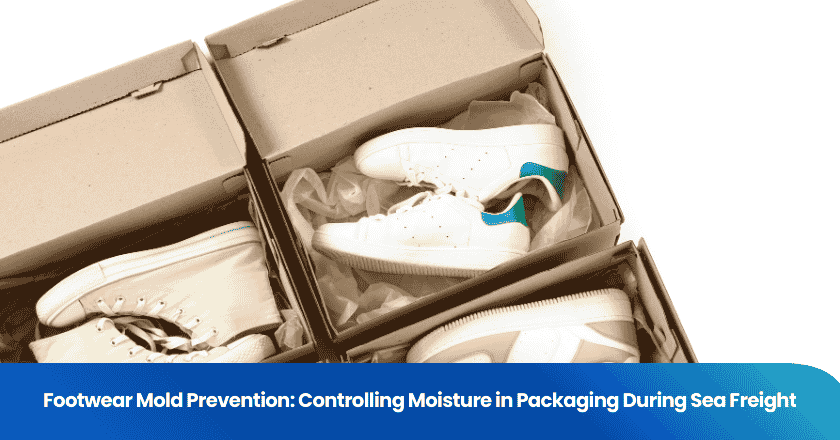
The structural and aesthetic integrity of footwear is highly vulnerable to microbial colonization, specifically fungal spores of the Aspergillus and Penicillium genera, during transoceanic shipping. The combination of nutrient-rich substrates like natural leather, high-humidity marine environments, and severe temperature fluctuations creates a high-risk scenario for "Container Rain" and subsequent mold outbreaks. Industrial stakeholders must implement a comprehensive moisture control strategy that extends from the manufacturing floor to the final point of arrival. By maintaining Equilibrium Moisture Content (EMC) levels and utilizing high-performance vapor barriers, brands can mitigate the astronomical costs of chargebacks and safeguard their reputation in the premium footwear market.
Key Takeaways
- Equilibrium Moisture Content (EMC) in leather must be maintained below 12% to suppress fungal germination.
- Container Rain is a thermodynamic event occurring when dew points are reached inside sea freight units.
- Calcium Chloride desiccants offer up to 200% weight absorption, significantly outperforming standard silica gel in maritime conditions.
- Standardized quality checks must include moisture meter verification of both outsoles and packaging cardboard.
- Vapor barrier bags and anti-microbial stickers provide a secondary defense layer for high-risk Softline products.
- Professional quality control audits at the container loading phase are mandatory for mitigating logistics rejections.
The Physics of Microbial Growth in Footwear Logistics
Mold prevention is essentially an exercise in hygroscopy management. Fungal spores require four conditions to proliferate: a nutrient source, oxygen, appropriate temperature, and, most critically, moisture. While manufacturers cannot control the temperature in a 40ft container at sea, they can technical manipulate the moisture availability. The technical threshold for fungal activity is a water activity (aw) level above 0.60. For leather products, this translates to a material moisture content of roughly 14%. Keeping leather at a metrological target of 8-10% provides a safety margin against environmental shifts.
Thermodynamics of the Sea Freight Environment
During a typical 30-day sea voyage, a container will pass through multiple climatic zones. During the day, the air inside the container heats up and absorbs moisture from the cargo (including shoe boxes and wooden pallets). At night, as the temperature drops, the relative humidity (RH) reaches 100%, causing water to condense on the ceiling and walls—this is the technical origin of "Container Rain." This cycle repeats daily, effectively "showering" the footwear with distilled water and initiating mold formation on organic finishes.
| Moisture Metric | Technical Baseline | Safety Objective |
|---|---|---|
| Leather Content | < 12% Moisture | Prevent fungal spore germination |
| Cardboard Packaging | < 8% Moisture | Ensure carton does not act as a reservoir |
| Ambient RH | < 60% Humidity | Maintain industrial stability in warehouse |
| Dew Point Margin | > 5'C Difference | Prevent condensation on container surfaces |
Pre-Production and Material Sensitivity Analysis
Quality assurance begins at the raw material stage. Not all footwear materials carry the same microbial risk. Natural suede and nubuck are highly porous and hygroscopic, whereas synthetic PVC or treated smooth leathers offer more resistance. During pre-production inspections, sourcing teams must verify the "Water Vapor Permeability" of uppers to ensure they allow for internal moisture release without encouraging external absorption.
Verification of GORE-TEX and Technical Linings
For performance footwear, technical linings must be tested for the Moisture Vapor Transfer Rate (MVTR). A higher MVTR ensures that sweat generated during the final "forming" process is expelled before the shoe is boxed. If a shoe is packaged while still warm and humid from the production line, it creates a "micro-climate" inside the shoebox that is ideal for mold, regardless of the container's external conditions.
| Material Class | Relative Risk | Primary Mitigation Technique |
|---|---|---|
| Natural Suede/Aniline | Extreme | Anti-mold coating + High-capacity desiccants |
| Pigmented Leather | Moderate | UV sterilization during finishing |
| Recycled Polyester | Low | Standard moisture control |
| Canvas / Cotton | High | Vapor-proof inner liners |
Engineering Focus: The use of "Water-based Adhesives" in modern sustainable footwear has technically increased the risk of mold. These adhesives contain more organic moisture than legacy solvent-based versions, requiring longer drying tunnels and stricter quality control audits on the production floor.
Optimization of Industrial Packaging Controls
Packaging is the final technical barrier between the product and the environment. Standard "one-size-fits-all" packaging is insufficient for maritime logistics. Effective footwear quality management involves a tiered packaging architecture.
Metrology of Desiccant Selection
Traditional silica gel is often inadequate for 40-day voyages because its absorption capacity is limited (approx. 25-30% of its own weight). In contrast, Calcium Chloride (CaCl2) desiccants are highly hygroscopic, absorbing up to 200% of their weight by turning moisture into a trapped gel. For high-value leather goods, technical specifications should mandate a specific weight of CaCl2 based on the carton's cubic volume.
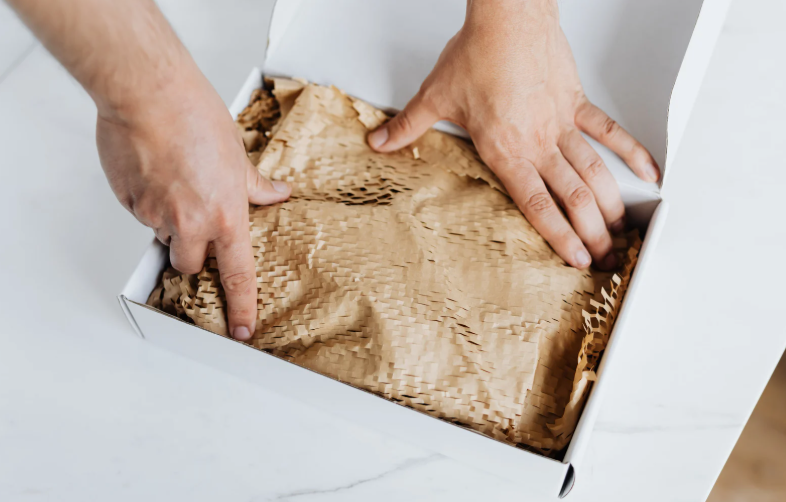
- Vapor Barrier Bags: Individually sealing shoes in LDPE bags with a thickness of at least 0.05mm prevents vapor ingress.
- Cardboard Specification: Utilizing double-wall corrugated cardboard with a moisture-resistant coating prevents the box itself from softening and releasing moisture into the shoes.
- Plastic Slip Sheets: Replacing wooden pallets (which can hold up to 20 liters of water each) with plastic alternatives is a mandatory technical control for mold prevention.
Container Loading Supervision (CLS) Protocols
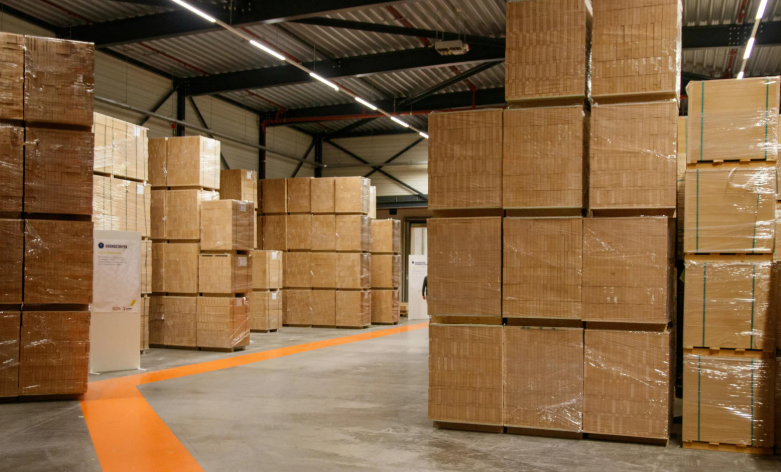
The loading phase is where many mold prevention strategies fail. Even with perfect packaging, a leaky or damp container will compromise the shipment. A technical container loading supervision must include several metrological checks:
- Pre-load Moisture Sweep: Using digital moisture meters on the container's wooden floorboards; a reading above 15% should result in container rejection.
- The "Light Test": Closing the doors and checking for light infiltration through rust holes or faulty door gaskets.
- VDRY Liners: For high-humidity routes (e.g. SE Asia to Europe), installing desiccant-infused container liners provides a 360-degree moisture shield.
- Thermal Bridge Management: Ensuring that cartons do not touch the metal walls of the container, as these are the primary sites for condensation formation.
Arrival Assessment and Industrial Remediation
Upon arrival at the destination warehouse, the first ten cartons from the door and the last ten from the back should undergo a "Random Mold Audit." Inspectors look for "white bloom" or "hyphae" using high-intensity UV lamps. If mold is detected, immediate quarantine and industrial remediation are required to save the inventory.
Effective remediation protocols involve:
- HEPA Vacuuming: Removing loose spores without aerosolizing them into the warehouse environment.
- Ozone Sterilization: Utilizing O3 generators in sealed chambers to kill residual fungal spores in hidden crevices.
- Re-Finishing: Applying anti-fungal botanical oils to restore the leather's pH and luster.
Ready to secure your product quality before shipment?
As your third-party inspection, testing & certification partner in China, TradeAider supports brands and sourcing teams across the entire production process, helping you identify quality risks early, ensure compliance, and strengthen your team’s capabilities before shipment.
Book an Inspection or Testing Service with TradeAider today, or for tailored solutions and expert guidance, contact us at services@tradeaider.com.
Frequently Asked Questions (FAQ)
Is silica gel enough to prevent mold in leather shoes?
Generally, no. Silica gel works best in small, sealed environments for short periods. For a 30-60 day sea voyage, industrial Calcium Chloride or specialized "Anti-Mold Stickers" (which release controlled antimicrobial vapor) are technically superior for maritime logistics.
Why do shoes mold even when the container is dry?
This is usually due to "Inherent Moisture." If the leather or the shoeboxes had a high moisture content during packaging at the factory, that moisture is trapped inside the polybag. As the temperature fluctuates, that internal moisture condenses directly on the shoe, causing mold to grow in a seemingly dry container.
Can I use a household dehumidifier in a shipping container?
No. Dehumidifiers require power and drainage for the collected water. For sea freight, "Passive Moisture Control" is the technical standard. This involves high-capacity desiccant bags (often 1kg to 2kg each) hung from the container's ceiling hooks.
Does "Faux Leather" get moldy?
Synthetic leathers (PU/PVC) are less prone to mold because they lack the organic nutrients found in animal hide. However, the glues, linings, and the cardboard boxes themselves still provide enough nutrition for mold to survive if the humidity is not controlled.
What is the "Sorption Isotherm" and why does it matter?
The sorption isotherm is a technical curve that shows how much moisture a material absorbs at a given RH. Leather has a very steep isotherm, meaning a small increase in humidity (from 60% to 70%) results in a massive jump in internal moisture, making it extremely sensitive to warehouse conditions.

Related Articles

Grow your business with TradeAider Service
Click the button below to directly enter the TradeAider Service System. The simple steps from booking and payment to receiving reports are easy to operate.

