
- Sobre Nós

- Nossos Serviços
- Sua Indústria
- Recursos
- Notícias e Blog
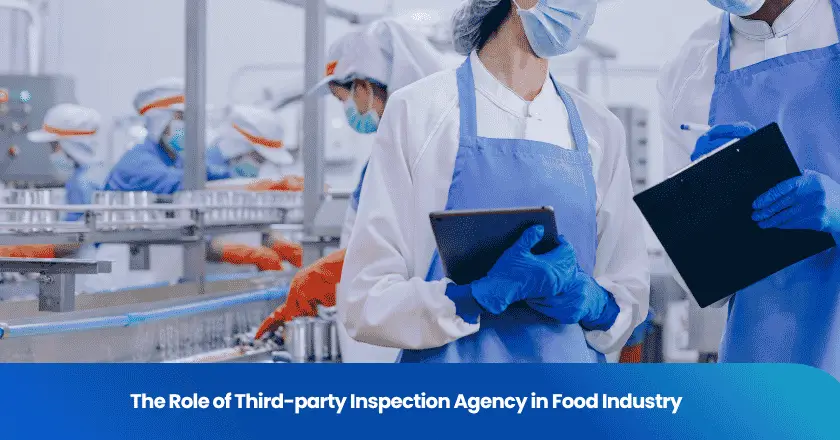
Food quality and safety involve more than checking whether a finished product looks acceptable.
For food manufacturers, importers, retailers, wholesalers, and brands, quality can be affected by raw materials, production processes, packaging, labeling, storage conditions, and other factors throughout the supply chain.
When production takes place in another country, buyers may also face a practical challenge: how can they obtain reliable information about what is happening at the supplier's facility without being there themselves?
A third-party inspection agency can provide an independent quality-control layer by inspecting products, production conditions, packaging, and other buyer-defined requirements. Where laboratory analysis is required, product testing can provide additional information about specific physical, chemical, or microbiological characteristics.
This article explains the role of third-party inspection in the food industry and how buyers can use inspection and testing as part of a broader quality-control process.
Why Quality Control Matters in the Food Industry
Food products can be particularly sensitive to quality variation because their characteristics may be affected by raw materials, processing, handling, packaging, and storage.
Depending on the product, buyers may need to consider:
- Raw material quality
- Product specifications
- Appearance and consistency
- Weight and quantity
- Packaging integrity
- Labeling and markings
- Production conditions
- Storage requirements
- Product shelf life
- Physical and chemical characteristics
- Microbiological requirements
- Destination-market requirements
The exact controls required depend on the type of food product and the market in which it will be sold.
For example, the quality-control considerations for packaged snacks may differ significantly from those for beverages, spices, processed foods, or food-contact packaging.
This is why food inspection should be based on clearly defined product and buyer requirements rather than a generic checklist.
What Does a Third-Party Food Inspection Agency Do?
A third-party inspection agency provides an independent assessment of defined product or production requirements.
Unlike an inspection performed directly by the supplier, a third-party inspection is conducted by an external organization that is not responsible for manufacturing the goods.
Depending on the inspection scope, an inspector may assess areas such as:
- Product specifications
- Quantity
- Appearance
- Weight
- Packaging
- Labeling
- Production status
- Storage conditions where included in the inspection scope
- Workmanship of packaging
- Other buyer-specific requirements
The purpose is to provide the buyer with documented information about the conditions and products observed during the inspection.
A third-party inspection does not replace the supplier's own quality-control responsibilities. Instead, it provides an additional verification layer for the buyer.
What Can Be Checked During a Food Product Inspection?
The inspection scope should be customized according to the product.
Raw Materials
For certain food products, raw materials can have a significant effect on the final product.
Where included in the inspection scope, inspectors may verify information such as:
- Material or ingredient identification
- Quantity
- Packaging condition
- Visible condition
- Supplier documentation
- Storage arrangements
However, laboratory analysis may be required when the buyer needs to verify chemical, microbiological, nutritional, or other characteristics that cannot be established through visual inspection.
Finished Product Appearance
Visual inspection can identify observable issues such as:
- Unusual appearance
- Damaged packaging
- Foreign material that is visibly identifiable
- Product consistency issues
- Incorrect printing or labeling
- Packaging defects
Visual inspection has clear limitations. It cannot determine every food-safety or chemical characteristic.
Weight and Quantity
Depending on the product and specifications, inspectors may verify:
- Net weight
- Gross weight
- Number of units
- Number of cartons
- Package quantity
- Sampling results
These checks can help identify discrepancies between the ordered quantity and the actual shipment.
Packaging
Packaging plays an important role in protecting food products during storage and transportation.
Inspection may cover:
- Packaging materials
- Package condition
- Sealing
- Carton condition
- Label information
- Batch or lot information
- Shipping marks
- Packaging quantity
The specific inspection criteria should be based on the buyer's packaging specifications.
Labels and Product Information
Incorrect or incomplete labeling can create commercial and regulatory problems.
Depending on the market and product, buyers may need to verify information such as:
- Product name
- Net quantity
- Ingredients
- Allergen information where applicable
- Batch or lot identification
- Manufacturing information
- Expiration or best-before information
- Storage instructions
- Country of origin
- Other required markings
The exact labeling requirements depend on the destination market and product category.
Third-party inspection can verify whether specified information appears on the product or packaging, but this should not automatically be interpreted as a complete legal compliance review.
Food Inspection vs. Laboratory Testing
One of the most important distinctions in food quality control is the difference between inspection and testing.
Third-Party Inspection
Inspection focuses on characteristics that can be observed, measured, or otherwise checked according to the defined inspection scope.
Examples include:
- Appearance
- Quantity
- Weight
- Packaging
- Labeling
- Dimensions
- Basic product characteristics
Laboratory Testing
Laboratory testing is used when specific physical, chemical, or microbiological characteristics need to be determined analytically.
Depending on the product and requirements, testing may cover areas such as:
- Microbiological parameters
- Chemical substances
- Heavy metals
- Pesticide residues
- Preservatives
- Nutritional characteristics
- Physical properties
- Other product-specific parameters
The appropriate testing program depends on the product, ingredients, destination market, and applicable requirements.
Therefore, a visual inspection report should not be treated as proof that a food product is free from all harmful substances or microbiological risks.
Why Use a Third Party Instead of Relying Only on Supplier Inspection?
Food manufacturers normally have their own quality-control procedures.
However, buyers may still want an independent assessment for several reasons.
Independent Verification
A third-party inspection provides information from an external inspection provider rather than relying solely on the supplier's internal records.
Overseas Production Visibility
For international buyers, visiting every factory personally may not be practical.
An independent on-site inspection can provide documented information without requiring the buyer to travel to the production facility.
Consistent Inspection Criteria
When buyers work with multiple suppliers, standardized inspection criteria can help create a more consistent quality-control process.
Early Identification of Issues
Identifying discrepancies before shipment gives buyers an opportunity to discuss the findings with the supplier and determine appropriate next steps.
When Should Food Products Be Inspected?
There is no single inspection schedule that applies to every food product.
The appropriate timing depends on the product, supplier, order value, production process, and identified risks.
Before Production
Before production begins, buyers may confirm product specifications, packaging requirements, raw materials, and other agreed conditions.
This can be particularly useful for new suppliers or new products.
During Production
During-production checks can provide visibility into production progress and consistency while manufacturing is underway.
For some products, this can help identify issues before the entire order is completed.
Before Shipment
A pre-shipment inspection can assess finished products before they leave the supplier.
Depending on the agreed scope, inspectors may verify:
- Quantity
- Product appearance
- Weight
- Packaging
- Labeling
- Product specifications
- Other buyer-defined requirements
For food products with specific laboratory requirements, product samples may also be submitted for testing according to the agreed test plan.
What About Food Safety and Regulatory Compliance?
Food products may be subject to different requirements depending on the country where they are manufactured and the market where they will be sold.
Buyers may need to consider requirements relating to:
- Food safety
- Ingredients
- Allergens
- Chemical substances
- Microbiological limits
- Labeling
- Packaging
- Traceability
- Storage
- Product-specific regulations
Third-party inspection can help verify specified physical or documentation requirements, while laboratory testing can provide analytical evidence for selected product characteristics.
However, an inspection report should not automatically be interpreted as a certification of complete regulatory compliance.
For complex or highly regulated food products, buyers should identify the applicable requirements and testing standards before production.
How to Build a Food Quality-Control Process
A practical quality-control process can combine several activities:
Product Requirements → Supplier Controls → Inspection → Testing Where Required → Findings Review → Corrective Action
Each step serves a different purpose.
1. Define the Requirements
Specify the product characteristics, packaging, labeling, quantity, quality criteria, and applicable testing requirements.
2. Establish Inspection Criteria
Convert the buyer's requirements into clear inspection points.
3. Inspect the Production or Finished Goods
Use an appropriate inspection stage based on the identified risks.
4. Conduct Laboratory Testing When Needed
Use laboratory testing for characteristics that cannot be reliably established through routine inspection.
5. Review Findings
Compare inspection and testing results with the agreed specifications and applicable requirements.
6. Address Identified Issues
Where problems are found, the buyer and supplier can determine appropriate corrective actions.
This approach prevents inspection from becoming a simple pass-or-fail exercise and instead makes it part of a broader quality-management process.
Common Challenges When Inspecting Food Products
Food inspection can involve several practical challenges.
Product Variability
Natural ingredients and food products can have inherent variations in color, size, texture, or appearance.
Inspection criteria should distinguish acceptable natural variation from actual defects.
Sampling Limitations
Inspection and laboratory testing generally evaluate samples rather than every individual product.
Sampling plans should therefore be appropriate for the product and inspection objective.
Shelf Life
Food products may have limited shelf lives, making production timing, testing turnaround time, storage, and shipment planning particularly important.
Temperature and Storage Requirements
Certain food products may require controlled storage conditions.
Where these conditions are included in the inspection scope, buyers should define the relevant requirements clearly.
Different Market Requirements
A product manufactured in one country may be sold in another market with different requirements.
Buyers should therefore establish the destination-market requirements before finalizing their testing and inspection plans.
What Should Buyers Prepare Before a Food Inspection?
Clear inspection instructions help an inspection agency evaluate the product consistently.
Useful information may include:
- Product specifications
- Approved samples where applicable
- Product photographs
- Packaging specifications
- Label artwork
- Quantity
- Weight requirements
- Defect criteria
- Sampling requirements
- Applicable test requirements
- Destination market
- Special inspection instructions
For products requiring laboratory testing, buyers should also provide the intended test parameters and any applicable standards or specifications when available.
How TradeAider Supports Food Quality Control
TradeAider provides third-party inspection, testing, and quality-assurance services for buyers sourcing products from China.
For food-related products, the appropriate service depends on the product category and the buyer's requirements.
Inspection can provide independent checks of defined product and packaging characteristics, while laboratory testing can be used when specific physical, chemical, or other properties need to be analyzed.
TradeAider's broader inspection services include Pre-Production Inspection, During Production Inspection, Pre-Shipment Inspection, Factory Audit, and Container Loading Supervision. The appropriate combination depends on the product and quality-control objectives.
For buyers who cannot regularly visit their suppliers, third-party inspection provides an additional source of on-site information and documented evidence.
The inspection criteria can be based on the buyer's product requirements, specifications, approved samples, and other agreed quality standards.
Frequently Asked Questions
What is a third-party inspection agency in the food industry?
A third-party inspection agency is an independent organization that assesses food products, packaging, production conditions, or other defined requirements according to an agreed inspection scope.
What can a third-party inspector check on food products?
Depending on the product and inspection scope, checks may include appearance, quantity, weight, packaging, labeling, production status, and other buyer-defined requirements.
Can third-party inspection guarantee food safety?
No. Inspection provides findings based on the defined scope and samples inspected. Food safety may also require laboratory testing, supplier controls, process controls, and regulatory assessment.
Is food inspection the same as food testing?
No. Inspection generally focuses on observable or measurable characteristics, while laboratory testing analyzes specific physical, chemical, or microbiological properties.
When should food products be inspected?
Food products can be inspected before production, during production, or before shipment depending on the product, supplier, order, and quality risks.
Does every food product need laboratory testing?
Not necessarily. Testing requirements depend on the product, ingredients, intended use, destination market, and applicable requirements.
Can third-party inspection replace a supplier's quality-control system?
No. The supplier remains responsible for its own production and quality-control processes. Third-party inspection provides an additional independent verification layer for the buyer.
Conclusion
Quality control in the food industry requires more than checking the appearance of finished products.
Buyers need to consider raw materials, production conditions, product specifications, packaging, labeling, storage requirements, and, where appropriate, laboratory testing.
Third-party inspection provides an independent way to verify defined product and production requirements, while laboratory testing can provide analytical information about specific physical, chemical, or microbiological characteristics.
The most appropriate quality-control approach depends on the product and the market in which it will be sold.
For buyers sourcing food and food-related products from China, TradeAider can provide independent inspection, testing, and quality-assurance support based on the buyer's requirements, helping create greater visibility into product quality before goods move to the next stage of the supply chain.
Artigos Relacionados

Expanda seu negócio com o Serviço TradeAider
Clique no botão abaixo para entrar diretamente no Sistema de Serviço TradeAider. Os passos simples desde a reserva e pagamento até o recebimento de relatórios são fáceis de operar.

