
- About Us

- Our Services
- Your Industry
- Resources
- News & Blog

Buyers often feel frustrated when bulk shipments fall short of the quality shown in the initial sample. You expect every item to match the approved standard, but reality hits hard when a container arrives filled with defects. This is the "Golden Sample Trap"—when factories deliver a flawless prototype to win your business but fail to maintain that quality during mass production.
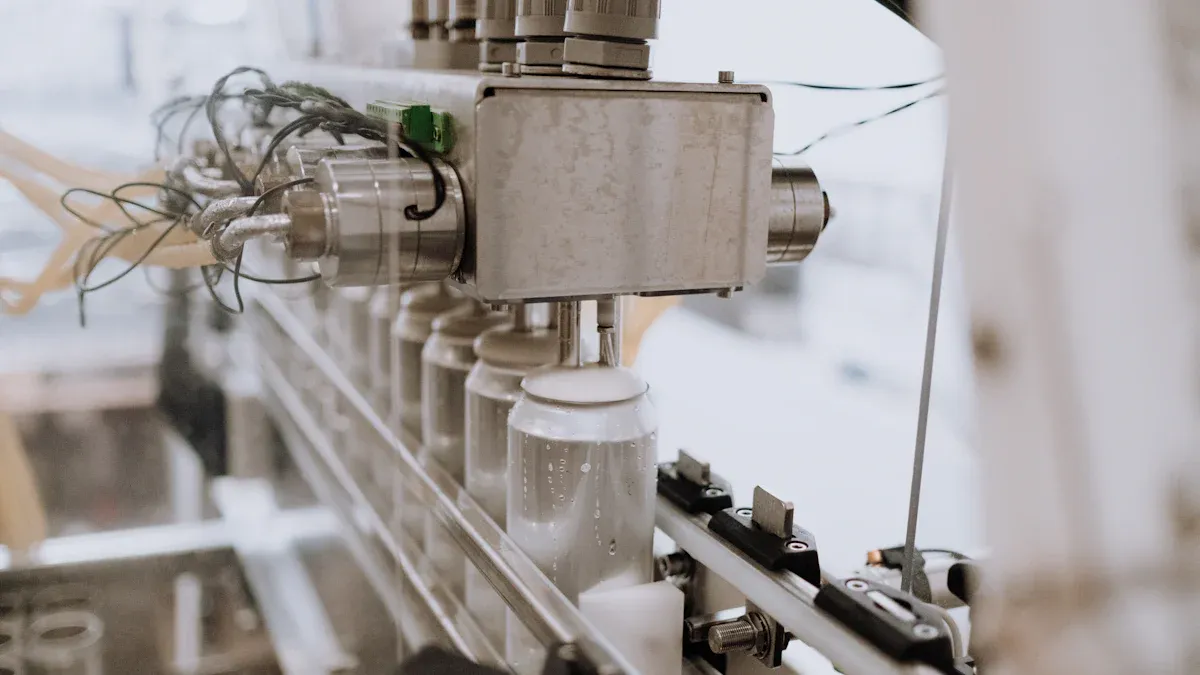
Trusting a single perfect sample without verifying the production process is a gamble that leads to costly surprises.
Key Takeaways
- The Trap is Real: A perfect sample does not guarantee a perfect production run.
- Keep the Sample: Always keep a sealed, signed approval sample on-site at the factory for reference.
- Inspect Early: Pre-production and during-production inspections catch issues before they become disasters.
- Control the Process: Ensure the factory uses the same materials and methods for the bulk order as they did for the sample.
What Is a Golden Sample?
A golden sample is the final, customer-approved prototype that sets the standard for all future production. It is the benchmark against which all bulk products should be measured. Manufacturers create this sample with extra care, ensuring every detail matches the client's requirements.
| Characteristic | Golden Sample | Production Sample |
|---|---|---|
| Purpose | Ideal reference standard | Actual outcome of mass production |
| Production Method | Often hand-crafted or carefully supervised | Produced on the assembly line |
| Role | The target | The result |
Why Approval Samples Matter
Approval samples act as the "source of truth." Without one physically present at the factory, workers and inspectors are guessing. The sample allows QC inspectors to compare color, texture, fit, and finish directly.
- They help inspectors compare bulk products to the agreed standard.
- They guide factory workers in maintaining consistency.
- They provide evidence when resolving disputes about defects.
How the Trap Happens
1. Process Control Failures
Factories often struggle to maintain stable processes when scaling up. A golden sample might be made by a master technician, while the bulk order is made by temporary workers on a fast-moving line. Common breakdowns include using cheaper raw materials, machine calibration errors, or skipping quality checks to meet deadlines.
2. Missing Reference Samples
A surprisingly common issue is that the factory simply loses or hides the approved sample. Without this reference, workers rely on memory or vague specification sheets, leading to "attribute drift" where the product slowly deviates from the original design.
3. The "Bait and Switch"
In some cases, a factory may outsource the golden sample creation to a high-end workshop to win your business, but then produce the bulk order in a cheaper, lower-quality facility. This highlights the importance of auditing the actual production site.
Risks of Falling into the Trap

When bulk orders fail to match the approved sample, the consequences go beyond just a bad batch of products. You face:
- Financial Loss: Rework costs, air freight for replacement goods, and lost sales revenue.
- Reputation Damage: Negative reviews and returns can permanently harm your brand image on platforms like Amazon.
- Compliance Issues: If materials were swapped, your product might no longer meet safety regulations (e.g., lead content, flammability).
How to Avoid the Golden Sample Trap
1. Pre-Production Inspection (PPI)
Before the machines start running, send an inspector to verify the raw materials and components. Ensure the factory has the golden sample on hand and understands the critical quality standards.
2. During Production Monitoring (DPI)
Don't wait until the end. Inspect the goods when 20-50% are produced. This allows you to catch systematic errors early, while they can still be fixed without delaying the entire shipment.
3. Keep the Approval Sample On-Site
Send two samples: one for you to keep, and one for the factory. Sign and date the factory's copy (a "sealed sample") so it cannot be swapped. Instruct your third-party inspectors to use this exact sample for comparison during every inspection.
| Best Practice | Action Item |
|---|---|
| Sealed Sample | Sign, date, and seal the approved sample. Send it to the factory manager. |
| Detailed Specs | Create a tech pack that includes tolerances, materials, and potential defects. |
| Multi-Stage QC | Inspect raw materials, partially finished goods, and final packaging. |
4. Continuous Improvement (CAPA)
If defects are found, don't just fix the product—fix the process. Require the factory to issue a Corrective and Preventive Action (CAPA) report explaining why the defect happened and how they will prevent it next time.
Bulk orders fail when buyers assume the hard work is done after approving the sample. In reality, that is just the beginning. By implementing ongoing quality control and ensuring your golden sample is the law of the factory floor, you can secure your supply chain and protect your bottom line.
FAQ
What is the main cause of the Golden Sample Trap?
Factories often create the golden sample using their best engineers and materials, but switch to mass production processes, cheaper materials, or less skilled labor for the bulk order.
How can buyers ensure bulk orders match the sample?
Use third-party inspections (PPI, DPI, PSI) and ensure a signed, sealed approval sample is physically present at the factory for comparison.
What should I do if I find defects in the bulk order?
Hold the shipment. Reference your contract and the golden sample. Require the factory to rework or replace the defective goods at their expense before final payment.
Related Articles



Grow your business with TradeAider Service
Click the button below to directly enter the TradeAider Service System. The simple steps from booking and payment to receiving reports are easy to operate.

