
Amazon sellers face strict requirements when preparing shipments for FBA. Many new sellers experience shipment rejections because their products do not meet Amazon's standards.

- Approximately 67% of new Amazon FBA sellers receive rejections due to non-compliant preparation.
A Third-Party Inspection Report helps sellers avoid costly mistakes. The report covers several key areas that reduce risks and save money:
| Key Sections of the Report | Description |
|---|---|
| Amazon Labeling Requirements | Ensures labels and packaging align with FBA standards to prevent shipment rejections. |
| Carton Weight & Dimensions | Confirms carton weight and size meet Amazon's shipping regulations. |
| Measurement Review | Verifies product dimensions match customer and Amazon requirements. |
| Quantity Verification | Checks if the correct number of units is included in the shipment. |
| Visual & Workmanship Check | Inspects product craftsmanship and points out defects. |
| Product Compliance | Assesses product quality and highlights non-conformities. |
| Field Testing | Documents results from performance tests conducted on the products. |
Sellers can use these details to review or request thorough inspection reports and ensure their shipments meet Amazon's standards.
Key Takeaways
- A Third-Party Inspection Report helps Amazon sellers avoid shipment rejections by ensuring compliance with labeling, packaging, and product quality standards.
- Inspectors verify that labels are correctly placed and scannable, preventing inventory errors and extra fees from Amazon.
- Proper packaging compliance is crucial; inspectors check that units are sealed and labeled correctly to avoid costly shipment delays.
- Quantity and carton verification ensures that the correct number of products is shipped, reducing discrepancies and enhancing FBA compliance.
- Sellers should always request a full quality control checklist and documentation review before shipment to ensure compliance.
FBA Compliance Checks in Third-Party Inspection
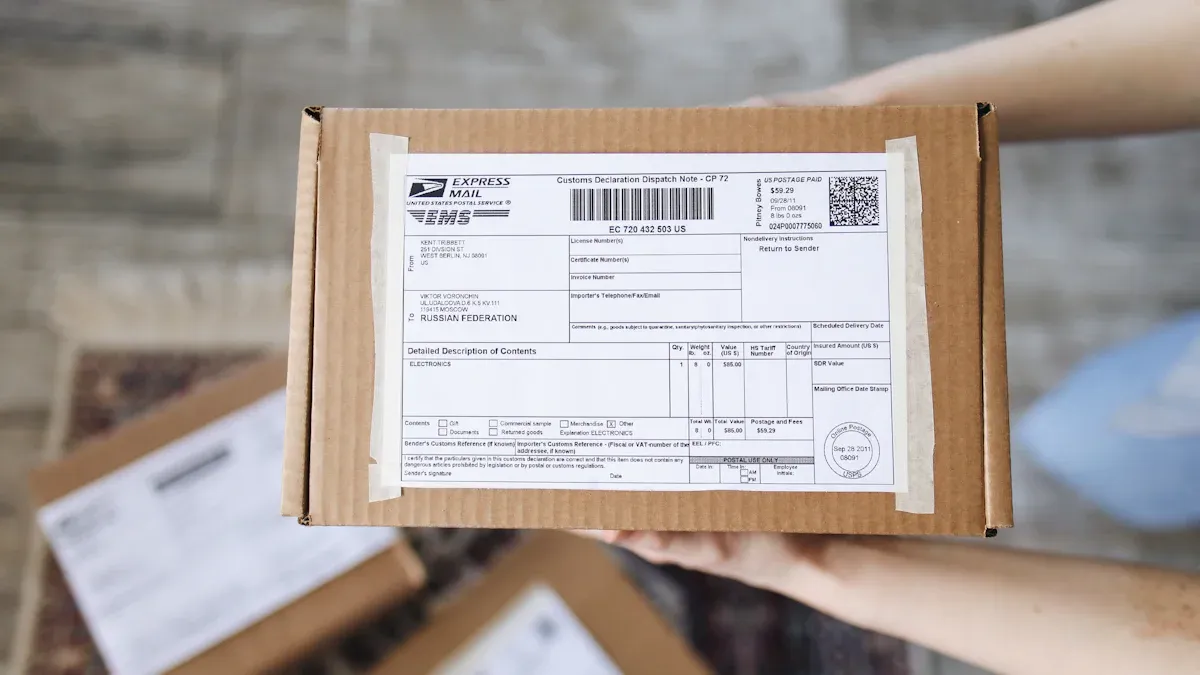
Amazon sellers rely on third-party inspection to ensure shipments meet FBA compliance standards. Inspectors focus on several critical areas during production inspections to prevent shipment rejections and costly delays.
Labeling and Barcode Verification
Third-party inspection teams strictly adhere to Amazon's labeling guidelines. Inspectors check that each product has a unique, scannable barcode. They confirm that labels use removable adhesive and appear on the outside of the packaging for easy scanning.
Tip: Proper labeling prevents inventory errors and avoids extra service fees from Amazon.
| Failure Type | Description | Solution |
|---|---|---|
| Overlapping Barcodes | Incorrect barcode scanning and inventory errors. | Place FNSKU labels away from other barcodes. Cover other barcodes with opaque tape. |
| Poor Print Quality | Unscannable barcodes due to low-resolution printing. | Use printers with at least 300 DPI for clear output. |
| Incorrect Label Sizes | Labels too large or small obscure information. | Use labels within Amazon's specified dimensions (1 x 2 inches to 2 x 3 inches). |
| Mislabeling Products | Wrong FNSKU leads to shipping errors. | Verify FNSKU against product listings before labeling. |
Packaging Compliance
Packaging compliance is another major focus. Inspectors check that each unit is individually wrapped and sealed. Inspectors measure box weight and dimensions to ensure boxes do not exceed 50 lbs or 25 inches on any side.
Approved packing materials include bubble wrap, heavy-weight kraft paper, and inflatable air pillows. Inspectors reject shipments that use loose packing peanuts or shredded paper.
Note: Packaging compliance issues often lead to shipment rejection. For example, missing suffocation warnings on poly bags can keep a shipment in a rejection queue for weeks.
Quantity and Carton Verification
Quantity verification is essential. Inspection teams check the product name, number of products to be tested, weight, and dimensions. Inspectors compare the number of items against the packing list or invoice to ensure accuracy. This process helps prevent shipment discrepancies and ensures FBA compliance.
Product Quality Inspection and Workmanship
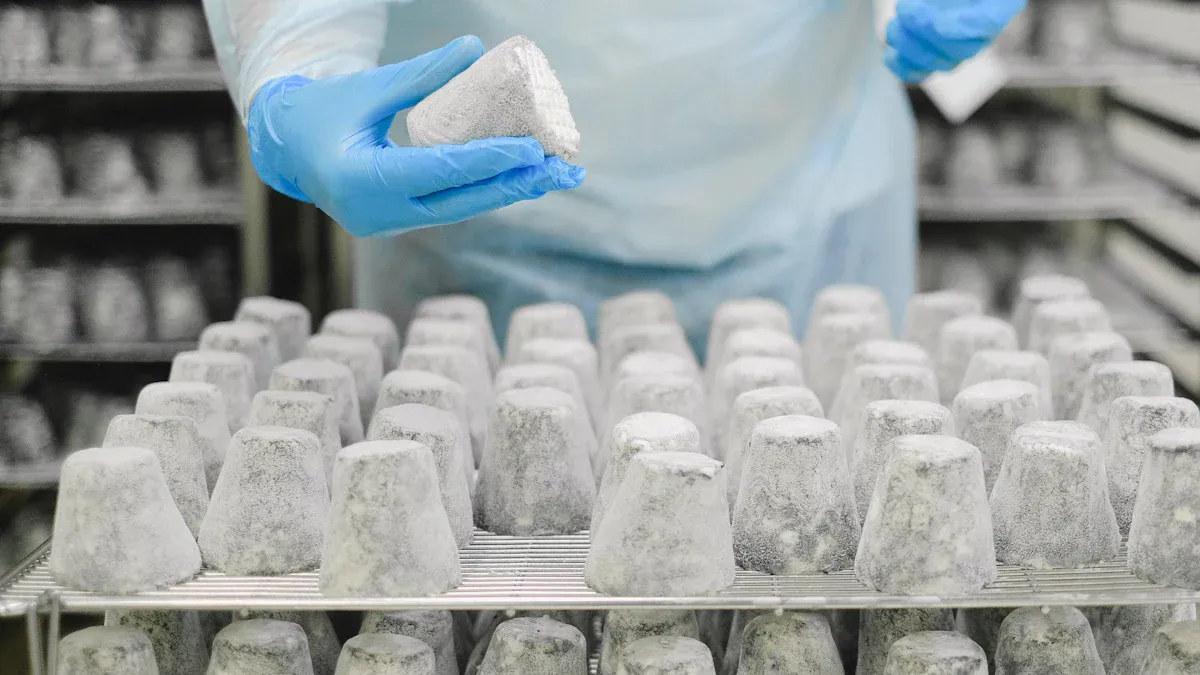
A thorough product inspection process ensures that every shipment meets Amazon FBA standards. Inspectors follow a detailed quality control checklist to identify defects and verify product performance.
Defect Categorization
Inspectors use a quality control checklist to record findings and categorize defects based on severity. The main categories include:
- Functional failures (e.g., device not powering on).
- Serious cosmetic damage (e.g., cracks).
- Missing parts.
| Severity Category | Description |
|---|---|
| Critical | Affects safety or violates regulations |
| Major | Significantly impairs function or satisfaction |
| Minor | Aesthetic imperfections or small deviations |
Functionality and Performance Tests
Inspectors conduct hands-on functionality tests. These confirm that products operate as intended. The quality control checklist covers every aspect of the product, from accessories to pre-shipment inspection. Inspectors document results for each test, providing clear evidence of product quality.
Structure of a Third-Party Inspection Report
A third-party inspection report provides Amazon sellers with a transparent overview of shipment quality. This report follows a structured format that highlights every step.
Basic Information and Inspection Profile
Inspectors begin by recording essential details like client name, inspection date, and PO number. The inspection profile includes the AQL standard used, total order quantity, sample size, and defective rate found. This section establishes the foundation for traceability.
Result Summary and Remarks
The result summary section presents a clear checklist of major inspection items. Inspectors use Pass, Fail, or Pending marks to indicate status. Remarks provide detailed explanations for any failed items. This section clearly states whether the shipment meets the Acceptable Quality Limit (AQL) standards required by the buyer.
| Report Section | Description |
|---|---|
| Inventory Status | Confirms the exact number of finished and packed goods. |
| Defect Summary | Lists total Critical, Major, and Minor defects found. |
| Overall Result | Final Pass/Fail grade based on AQL standards. |
Visual Documentation and Repair Tracking
Visual documentation strengthens the inspection process. Inspectors use annotated photos to highlight defects. The report tracks repairs and replacements, showing how inspectors reduce defective rates before shipment.
| Feature | Description |
|---|---|
| Photo Annotations | Inspectors add notes to photos for clarity on defects. |
| Corrective Actions | Enables quick responses to issues identified during inspections. |
Quality-Passed Stickers and Final Assurance
Inspectors seal approved cartons with "Quality-Passed" stickers. This step assures sellers that only inspected products meet Amazon's standards. Final assurance steps include independent checks and compliance verification.
FAQ
What is the most important part of an FBA inspection report?
The labeling and packaging compliance section holds the highest importance. Inspectors check barcodes and warning stickers to avoid shipment rejection at Amazon fulfillment centers.
How do inspectors categorize product defects?
Inspectors sort defects into three groups: critical, major, and minor. They record each defect with photos and descriptions to help sellers understand urgency.
Why do inspectors perform drop tests on cartons?
Drop tests show if cartons can survive shipping. If cartons break, products may arrive damaged. Passing the test means safer delivery to Amazon warehouses.
Can sellers request real-time inspection updates?
Yes. Many inspection services offer online, real-time reports. Sellers see photos and test results as inspectors work, allowing for quick decisions.
What happens if a shipment fails inspection?
If a shipment fails, inspectors document the problems. Sellers can fix defects or replace products before shipping, reducing the risk of Amazon rejection.
Related Articles


Grow your business with TradeAider Service
Click the button below to directly enter the TradeAider Service System. The simple steps from booking and payment to receiving reports are easy to operate.

