
- About Us

- Our Services
- Your Industry
- Resources
- News & Blog
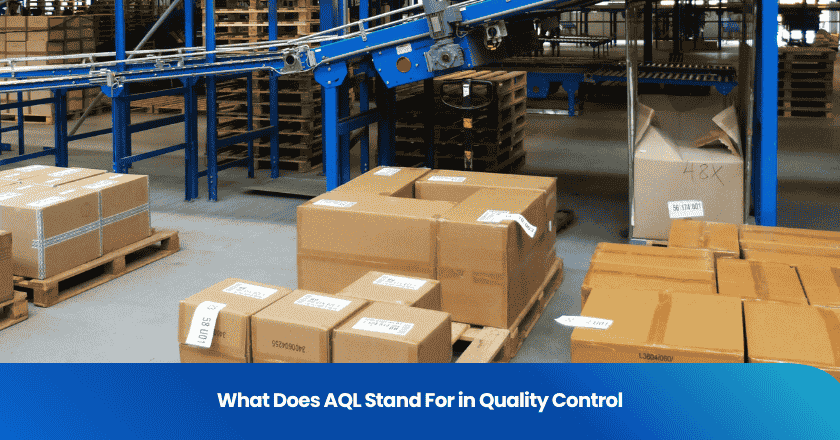
You often hear the question: what does aql stand for in quality? AQL means Acceptable Quality Level. In quality control, you use AQL to set clear defect limits for product batches. This approach helps you maintain consistent standards and minimize the risk of defective goods entering your supply chain. When you apply AQL during inspections, you encourage suppliers to meet your expectations and improve their processes. Many global retailers require AQL-based inspections, making it essential for international trade. By using strict AQL standards, you can reduce returns and negative feedback, which leads to higher customer satisfaction.
Key Takeaways
- AQL stands for Acceptable Quality Level, which sets the maximum number of defects allowed in a product batch during inspections.
- Using AQL helps maintain consistent quality standards, reduces defective goods, and enhances customer satisfaction.
- Different industries interpret AQL based on their specific needs, affecting how they apply quality control measures.
- AQL categorizes defects into critical, major, and minor, each with its own acceptance criteria to guide inspection decisions.
- Implementing AQL effectively requires training, documentation, and regular reviews of sampling plans to ensure quality control success.
What Does AQL Stand For in Quality
Definition of AQL
When you ask what does aql stand for in quality, you focus on a core principle in quality control. AQL stands for Acceptable Quality Level. You use this term to describe the maximum number of defective items that you can accept in a sample batch during inspection. According to ISO 2859, the Acceptable Quality Level is the "quality level that is the worst tolerable process average when a continuing series of lots is submitted for acceptance sampling." This definition sets a clear boundary for what you consider acceptable quality in your operations.
You rely on AQL to guide your inspection process. When you set an AQL, you determine how many defects you can tolerate before you reject a batch. This approach helps you maintain consistent standards and ensures that your products meet customer expectations. You use AQL to communicate your requirements to suppliers and to establish a benchmark for product quality.
AQL is not a guarantee of perfection. Instead, it provides a statistical framework that helps you make informed decisions about product acceptance. You use AQL to balance the cost of inspection with the risk of defects. When you apply AQL standards, you create a transparent process that supports continuous improvement.
Acceptable Quality Level Explained
You encounter the term Acceptable Quality Level in many industries. Each sector interprets AQL based on its unique requirements. The following table shows how different industries define and apply AQL:
| Industry | Interpretation of AQL |
|---|---|
| Manufacturing | Focus on product specifications, production processes, and includes protocols for material inspection and testing. |
| Construction | Addresses materials and workmanship, outlining inspection requirements for various construction phases. |
| Software Development | Emphasizes code quality and testing methodologies, specifying acceptance criteria for software releases. |
| Service Sector | Concentrates on customer experience and service delivery standards, detailing protocols for service timing and interaction. |
When you want to understand what does aql stand for in quality, you need to look at the key components that define Acceptable Quality Level in product inspections:
1. AQL represents the acceptable average quality level in a process.
2. You must consider the use of the product and the consequences of its failure.
3. You ensure feasibility in production, especially in early stages.
4. You account for process sequence to avoid cascading quality issues.
5. You apply graduated AQL values for different defect types.
6. You match AQL to product criticality.
7. You align AQL with customer expectations and contract agreements.
8. You weigh inspection costs against the risk of defects.
9. You avoid setting an overly small AQL unless necessary.
You determine AQL during the inspection process by selecting appropriate sample sizes. You use General and Special Inspection Levels to guide your sampling decisions. General Levels dictate the overall sample size, while Special Levels (S-1, S-2, S-3, S-4) apply to specific items on your checklist. You choose Special Levels for tests that are destructive, expensive, or yield similar results across items.
You use AQL to answer the question, what does aql stand for in quality, by establishing a practical and measurable standard for acceptable quality. You rely on AQL to protect your business from excessive defects and to ensure that your products meet the expectations of your customers. When you apply aql standards, you create a system that supports both efficiency and reliability in your quality control process.
Tip: You should always match your AQL to the criticality of your product and the expectations of your customers. This approach helps you maintain high standards and avoid costly mistakes.
How AQL Works
Defect Categories
You rely on aql to classify product defects into three main categories: critical, major, and minor. This classification helps you set clear standards for what you consider acceptable quality in your inspections. Each category has its own acceptance and rejection criteria, which you use to decide if a batch meets your requirements.
You need to understand what each defect type means:
| Defect Type | Description | Examples |
|---|---|---|
| Critical | Likely to result in unsafe conditions or violate mandatory regulations. | Wooden picture frame with splinters, phone with overheating battery, furniture that topples. |
| Major | Reduces usability or causes obvious appearance issues. | 24-inch monitor with a quarter-inch scratch on the front of the screen. |
| Minor | Does not affect usability but exceeds defined quality standards. | 24-inch monitor with a quarter-inch scratch on the back. |
- Critical defects include items with insects, blood, or hair inside packaging.
- Major defects might be a monitor with a scratch on the front that affects user experience.
- Minor defects could be a scratch on the back of a monitor that is not noticeable.
You use these categories to set the maximum number of defective items you can accept in a sample. This approach ensures your quality control strategies align with industry standards and customer expectations.
Sampling Methods
You use sampling methods to determine how many units you need to inspect from a production batch. Aql inspections rely on random sampling, which means you select items at random to represent the entire lot. The number of items you inspect depends on the total lot size, the inspection level, and the aql value you choose.
| Inspection Level | Description |
|---|---|
| Level I | Fewer samples for low-risk products |
| Level II | Most commonly used for typical inspections |
| Level III | More samples and rigorous inspection for higher-risk products |
- You select the inspection level based on product risk and customer requirements.
- Level II is the standard for most inspections, while Level I and Level III are used for special cases.
- You always match the sample size to the aql and the criticality of the product.
Larger sample sizes improve the precision of your aql results and minimize sampling errors. This means you get a more reliable assessment of the batch quality. When you increase the sample size, you reduce the chance that your sample does not reflect the true quality of the entire batch.
Sampling error represents the difference between sample statistics and true population parameters. This error decreases with larger sample sizes but never completely disappears.
You use proper statistical methods to control the impact of sampling errors. This practice supports the reliability of your quality management systems.
Decision Process
You use the aql decision process to determine if a batch passes or fails inspection. You compare the number of defects found in your sample to the acceptable number of defects defined by your aql plan.
- Acceptance sampling uses decision criteria based on the number of defects in the sample.
- The aql chart defines the acceptable quality for each combination of sampling code letter and aql index.
- You select a lower aql index (such as 0.1%) for critical defects and a higher index (such as 2.5%) for minor defects.
- For example, if you use code letter G with an aql index of 2.5%, you can accept up to two defects in a sample size of 32 units for the lot to pass.
| Aspect | Description |
|---|---|
| Definition | Aql determines the maximum acceptable number of defective items in a sample batch. |
| Decision Criteria | If defective items exceed the aql, you reject the batch. |
| Defect Categories | Aql varies for minor, major, and critical defects, with critical defects typically set to zero. |
| Standards | You follow ISO 2859 for sampling and defect thresholds. |
| Sampling Plans | You use pre-defined plans to analyze production samples against aql. |
| Outcome | Aql-based inspections guide your decisions on accepting or rejecting entire batches. |
You make your final decision by checking if the defects in your sample stay within the acceptable quality limits. If the defects exceed the aql, you reject the batch. This process ensures you only accept shipments that meet your quality standards and supports effective quality control strategies.
Benefits and Limitations of AQL
Advantages
You gain several important benefits when you use aql in your quality control strategies. Aql sampling allows you to inspect a manageable number of items instead of every single unit. This approach saves time and resources while still maintaining high standards.
You can see the main advantages in the table below:
| Advantage | Description |
|---|---|
| Timely Shipping | Aql inspections help ensure order quality while allowing for prompt shipping. |
| Time Efficiency | Sampling inspections save time while maintaining quality standards. |
| Cost-Effectiveness | 100% inspection is expensive; aql sampling reduces costs without compromising results. |
| Relevant Results | Aql sampling provides results that are directly related to the required quality inspection. |
You can ship products on time and keep costs under control. Aql standards help you focus on the most relevant aspects of your inspection process.
Common Misconceptions
Many people misunderstand how aql works in quality management systems. You might think that aql guarantees defect-free products, but this is not the case. Here are some common misconceptions:
- Aql does not guarantee defect-free products; it only sets a threshold for acceptability.
- Misunderstanding aql can lead to significant challenges in quality control.
You need to remember that aql defines the maximum number of defects you can accept, not a promise of perfection.
Limitations
You should recognize the limitations of aql when you design your quality control strategies. Aql relies on statistical sampling, so you always face a small risk that the sample does not represent the entire batch. You cannot eliminate all defects with aql, but you can manage risk and make informed decisions. Aql works best when you combine it with other quality management systems and continuous improvement efforts. You must set your acceptable quality levels based on product criticality and customer expectations. This approach helps you balance inspection costs with the need for reliable products.
Note: Aql provides a practical and cost-effective way to manage quality, but you should not rely on it alone for critical or high-risk products.
AQL in Practice
Industry Example
You see the impact of aql most clearly in electronics manufacturing. Companies in this industry use aql to maintain strict control over product quality. During production, you select random samples from each batch and inspect them for defects. This process helps you catch issues early and avoid costly recalls.
The table below shows how aql supports quality in electronics manufacturing:
| Aspect | Description |
|---|---|
| Purpose | Ensures product quality and meets customer expectations. |
| Application | Used for sampling and inspection during production. |
| Benefits | Helps achieve customer expectations and reduces fault costs. |
You rely on aql to set clear standards for what you consider acceptable quality. By applying aql, you make sure that only batches meeting your requirements reach your customers. This approach reduces the risk of faulty products and builds trust in your supply chain.
Best Practices
You can strengthen your quality control by following proven aql best practices. Start by developing structured training programs for your staff. These programs give your team a solid understanding of aql principles. Next, organize hands-on workshops. These sessions let your staff practice aql procedures in real-world scenarios. You also need to support continuous improvement. Encourage your team to review and refine their aql skills over time.
- Structured training programs provide foundational knowledge on aql.
- Hands-on workshops allow your team to practice aql procedures.
- Continuous improvement initiatives help your staff enhance their aql expertise.
You should always document your aql procedures. Clear records help you track results and identify trends. Regularly review your aql sampling plans to ensure they match your current production needs. Communicate your aql standards to suppliers and partners. This transparency helps everyone work toward the same acceptable quality goals.
Tip: Consistent application of aql across your operations leads to fewer defects and higher customer satisfaction.
Understanding aql gives you a systematic approach to quality control, helping you set clear defect limits and optimize inspections. You build customer trust and foster continuous improvement by using aql to maintain high standards. Remember, aql works best when you inspect products at every stage and use a simple checklist. Watch for challenges like insufficient sample size, sampling bias, and inconsistent standards. To implement aql effectively, train your team, document procedures, and review your sampling plans regularly.
FAQ
What does AQL mean in quality control?
AQL stands for Acceptable Quality Level. You use it to set the maximum number of defects allowed in a sample before you reject a batch during inspection.
How do you choose the right AQL level?
You select the AQL level based on product risk, customer expectations, and industry standards. Lower AQL values mean stricter quality requirements.
Can AQL guarantee zero defects?
AQL does not guarantee zero defects. It helps you manage risk by setting acceptable limits, but some defects may still exist in accepted batches.
Why do you use sampling instead of checking every item?
Sampling saves time and resources. You inspect a representative sample rather than every unit, which allows you to make quick and cost-effective decisions.
What happens if a batch fails the AQL inspection?
If a batch fails, you reject it or request corrective action. You may re-inspect after the supplier fixes the issues to ensure the batch meets your quality standards.
Related Articles


Grow your business with TradeAider Service
Click the button below to directly enter the TradeAider Service System. The simple steps from booking and payment to receiving reports are easy to operate.

