
- About Us

- Our Services
- Your Industry
- Resources
- News & Blog
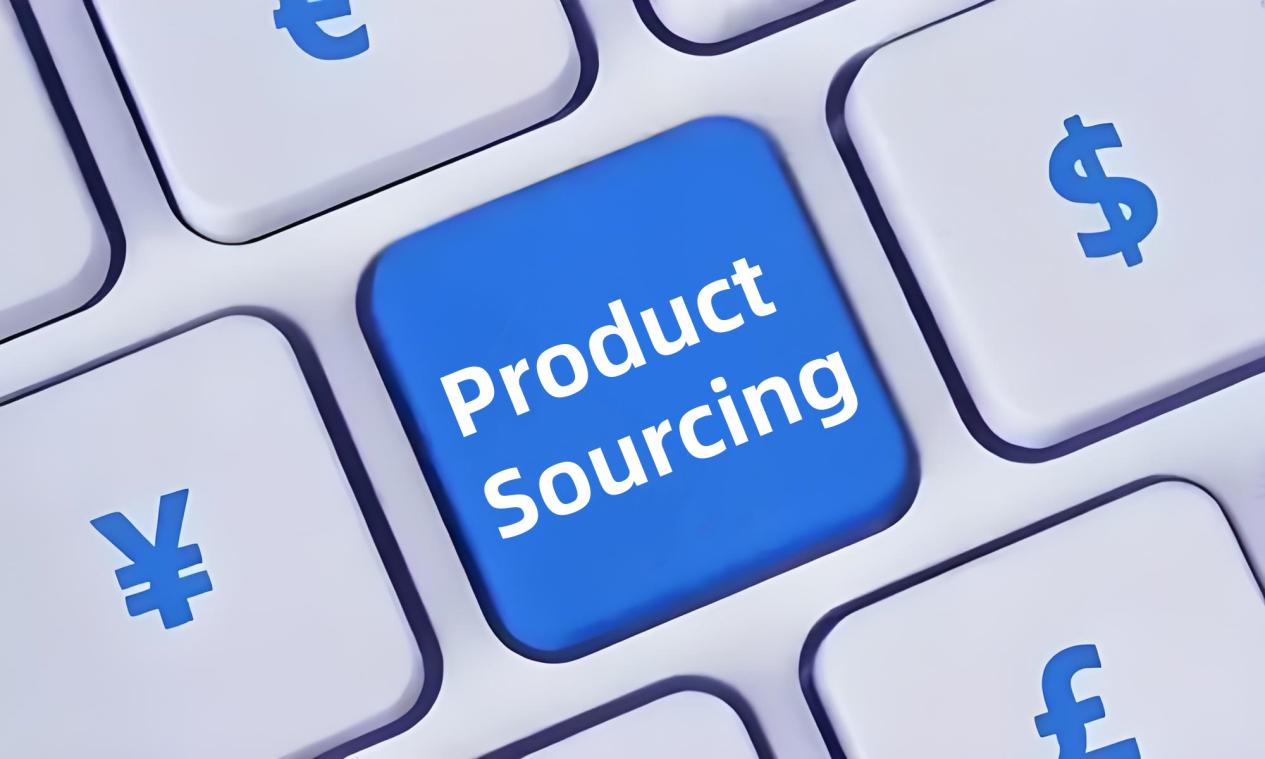
In short: A product sourcing company finds, evaluates, negotiates with, and manages suppliers on a client's behalf. But a sourcing company checking its own suppliers' quality has the same conflict of interest a factory has when grading its own work — which is why independent third-party inspection is a standard part of how a professional sourcing relationship actually gets verified.
The Concept of a Product Sourcing Company
Product sourcing companies are generally enterprise entities that focus on procurement matters — mainly engaged in product sourcing, supply chain management, and distributing purchased products to purchasers, retailers, wholesalers, or direct consumers. The core business of a product sourcing company is to find suitable sources of products, establish cooperative relationships with suppliers, ensure product quality and supply stability, and meet market demand.
In simple terms, the services of a product sourcing company include market research, supplier selection, price negotiation, contract signing, order tracking, and quality control — helping client companies complete procurement tasks efficiently and at lower cost.
How Sourcing Went From a Manual Task to a Managed Discipline
Procurement existed as a basic business function long before sourcing companies did. It became a distinct profession over the 20th century as supply chains grew more complex: manual, relationship-based sourcing gave way to spreadsheet- and database-managed supplier information, then to online sourcing platforms and electronic procurement systems, and more recently to sourcing companies using data and, increasingly, AI-assisted tools to track supplier performance and manage cross-border procurement at scale. Sustainability considerations — verifying that sourced products and suppliers meet environmental and labor standards — have become a standard part of what a modern sourcing company is expected to manage, not an optional add-on.
The practical takeaway isn't the history — it's that sourcing has become specialized enough that most companies rely on a dedicated sourcing partner rather than handling it in-house, and specialized enough that verifying a sourcing partner's own work has become its own discipline too.
The Product Sourcing Process — and Where It Actually Depends on Inspection
Demand determination. Specifying product type, specifications, quantity, quality requirements, budget, and delivery time, confirmed across the client's relevant departments before sourcing begins.
Supplier selection. Researching, screening, and evaluating potential suppliers on reputation, qualifications, delivery capability, and price — typically including a factory visit or audit before committing. A sourcing company that skips an independent factory audit at this stage is relying entirely on a candidate factory's own claims about its own capability.
Quotation comparison. Collecting and comparing quotations across price, quality, delivery time, and service, then negotiating terms.
Contract signing. Drafting and reviewing a sourcing contract covering delivery time, payment terms, quality standards, and liability for breach — ideally including an explicit right to independent inspection before payment is released, not just a general quality clause.
Logistics and distribution. Confirming order details, packing goods for transit, and delivering to the agreed location.
Final acceptance. This is where most of the actual quality verification happens, and it's the step where independent inspection matters most. Before acceptance, the sourcing company and supplier confirm the acceptance terms and standards; the arrived products are then checked against those standards, non-conforming products are handled (return, replacement, or claim), and the results are recorded for traceability. The question a client should be asking at this stage is simple: who is doing the checking, and on whose behalf? If the sourcing company's own staff perform the acceptance check — using criteria the sourcing company itself set, on a supplier the sourcing company itself selected and is being paid a margin or commission by — the result is not an independent verification. It's the sourcing company checking its own work. A Pre-Shipment Inspection (PSI/FRI) performed by a party with no financial relationship to either the supplier or the sourcing company's margin gives the end client a check that doesn't have that built-in conflict.
The Special Advantages of a Product Sourcing Company
Professional sourcing capability. An experienced sourcing team can identify and vet potential suppliers faster and more reliably than a client sourcing on its own for the first time.
Cost savings. Sourcing companies can often negotiate better pricing and payment terms through bulk purchasing power and market timing that an individual buyer wouldn't have on their own.
Supply chain management. Managing multiple suppliers, logistics, and inventory across a supply chain is a full-time discipline; a sourcing company brings the coordination infrastructure a client would otherwise need to build in-house.
Quality and compliance. This is the advantage most often overstated without specifics. A sourcing company having "a strict quality control process" is a marketing claim until it's backed by something a client can actually verify — documented inspection reports, a defined AQL standard, and independent checkpoints at defined stages of production, rather than a general assurance that quality is being managed. The sourcing companies that hold up under scrutiny are the ones that build independent, third-party inspection into the relationship rather than relying solely on their own staff's judgment of their own selected suppliers. See Pre-Production Inspection (PPI), During Production Inspection (DPI/DUPRO), and Container Loading Supervision (CLS) for what that looks like staged across a production run.
Market insight. Ongoing exposure to multiple suppliers and categories gives a sourcing company visibility into price trends and demand shifts a single buyer typically lacks.
Risk management. Spreading procurement across multiple supplier relationships reduces a client's dependence on any single factory — but risk management inside a single supplier relationship still depends on someone independently checking what that supplier is actually producing, at the stages where a problem is still cheap to fix.
Why a Sourcing Company's Own Quality Checks Aren't the Same as Independent Verification
This is worth stating plainly, because it's the gap most sourcing relationships never address: a sourcing company sits between the client and the factory, often earning its margin from the factory's price, the client's fee, or both. That position is exactly why a sourcing company's own quality sign-off carries the same limitation a factory's internal QC does — the party doing the checking has a financial stake in the shipment going out.
This doesn't mean sourcing companies are acting in bad faith; most aren't. It means the structure of the relationship makes independent verification valuable regardless of how much a client trusts their sourcing partner. A third-party inspection company — contracted directly by the client, with no financial relationship to the sourcing company's margin or the factory's sale — reports only what it finds, to the client, at each stage:
- Factory Audit — verifying a sourcing company's proposed factory actually has the capability it claims, before the client commits.
- Pre-Production Inspection — confirming materials match spec before a full run starts.
- During Production Inspection — catching process drift early enough to correct it.
- Pre-Shipment Inspection — the final, independent check before goods ship and payment is released.
- Container Loading Supervision — confirming what was inspected is what actually gets loaded.
Clients working through a sourcing company can — and generally should — write independent inspection rights directly into the sourcing agreement, so the right to commission a third-party check isn't something that has to be negotiated after a quality concern has already come up. Documented inspection reports also become the evidence that matters if a dispute over a defective batch ever needs to be resolved; see Inspection Reports as Dispute Evidence.
Frequently Asked Questions
If I'm already paying a sourcing company, do I really need a separate inspection company too?
Yes, for the same reason a factory's internal QC doesn't replace independent inspection: the sourcing company selected the supplier and typically earns from that relationship, which is exactly the position that makes an independent check valuable, not redundant.
At what stage should I add third-party inspection to a sourcing relationship?
Ideally from supplier selection onward — a factory audit before committing to a new supplier the sourcing company proposes, then pre-production and pre-shipment checks on the resulting orders, rather than waiting until a shipment has already caused a problem.
Can I require inspection rights in my contract with a sourcing company?
Yes — this is a standard and reasonable clause: the client's right to commission an independent inspection, at the client's own cost and choice of inspector, at any stage, with the right to withhold payment on a failed inspection.
Does using a sourcing company make independent inspection less necessary, since they're already managing quality?
No — it typically makes it more useful, not less, because the client usually has even less direct visibility into the factory relationship when a sourcing company sits in between.
Working With TradeAider
TradeAider provides independent third-party inspection — factory audits, pre-production, during-production, and pre-shipment inspection, and container loading supervision — for brand owners and importers whether they work with a factory directly or through a sourcing company. Reports are issued as a standard Official Report within 24 hours, or as an Online Real-time Report a client can follow while the inspector is on-site — either way, addressed directly to the client, not filtered through the sourcing relationship being checked.
- Check sampling levels and cost with the AQL Calculator and inspection service charge calculator.
- Contact TradeAider's team to add independent inspection to a sourcing relationship you already have, or book directly for your next order.
Related Articles

Grow your business with TradeAider Service
Click the button below to directly enter the TradeAider Service System. The simple steps from booking and payment to receiving reports are easy to operate.

