
- About Us

- Our Services
- Your Industry
- Resources
- News & Blog
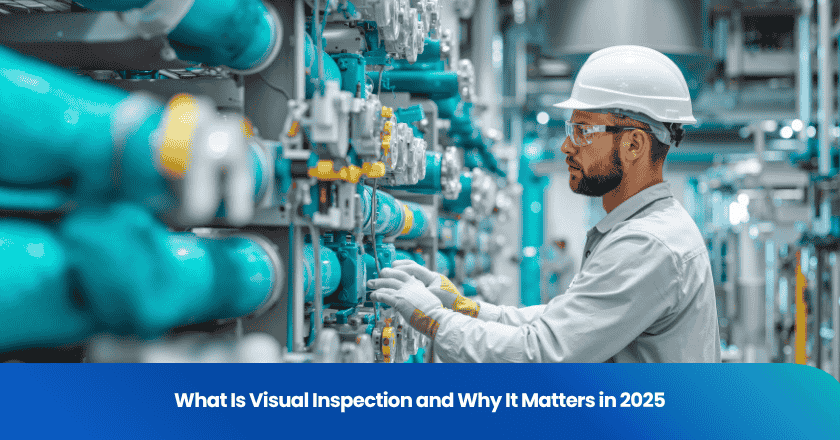
Visual inspection stands at the forefront of quality assurance in 2025. You rely on visual inspection to maintain quality control, reduce costs, and achieve real-time defect detection. AI and advanced technologies have transformed inspection accuracy improvements, especially in sectors like automotive and electronics. Companies report up to 95% defect detection rates and significant labor savings. Real-time inspection and human expertise work together to meet zero-defect standards and boost manufacturing efficiency. You face growing industry challenges, but visual inspections help you detect microscopic flaws and ensure consistent product quality.Real-time defect detection and AI integration drive new standards for inspection accuracy improvements.
Visual Inspection Overview
Definition and Process
You use visual inspection to evaluate products, components, or assets by examining their appearance for defects, irregularities, or inconsistencies. This process forms the backbone of quality assurance in manufacturing, asset maintenance, and other industries. Visual inspections can be manual, automated, or a combination of both, depending on your operational needs and the complexity of the items being inspected.
Visual inspection follows a systematic approach to ensure accuracy and reliability. You start by checking and calibrating your visual equipment. This step guarantees that cameras, sensors, and lighting systems function correctly. Next, you perform visual inspection based on set guidelines. You examine products using defined criteria, looking for scratches, missing parts, or other defects. You document your findings and share reports with your quality team. Periodic verification of the inspection process helps you confirm its effectiveness and maintain high standards.
Tip: You can choose between random sampling, full manual sampling, or automated visual inspection. Random sampling allows you to inspect selected products for obvious defects. Full manual sampling requires you to inspect every product, which can be physically demanding. Automated visual inspection uses cameras and machine learning to streamline the process and improve consistency.
Main Steps in the Visual Inspection Process:
1. Check and calibrate visual equipment.
2. Perform visual inspection based on set guidelines.
3. Document findings and share reports.
4. Verify visual testing effectiveness.
Modern visual inspection techniques leverage AI and computer vision to automate defect detection. These systems adapt to variations in lighting and vibration, providing consistent and repeatable results. Deep learning algorithms enable you to detect subtle differences in patterns that may be invisible to the human eye. Multimodal analysis combines optical, thermal, x-ray, and ultrasound imaging to identify a broader range of defects.
Key Elements
You need several key elements to build an effective visual inspection system in 2025. Each component plays a vital role in ensuring accuracy, speed, and reliability.
You rely on image processing software to analyze captured images for pattern recognition, measurement, and defect detection. Computer vision algorithms automate defect detection, providing consistent evaluations and real-time feedback. AI-based algorithms annotate inspection photographs, making datasets more searchable and improving traceability.
Engineers must ensure that automated vision inspection meets required accuracy and speed. Compatibility with existing infrastructure, including physical size and power needs, is essential. Efficient data management and integration with production control systems help you maintain seamless operations.
Note: AI-enhanced automated vision inspection systems use advanced algorithms and machine learning to improve defect detection. These systems adapt to product variations and environmental changes, providing reliable results even in challenging conditions.
Visual inspections in 2025 combine human expertise with advanced technology. You benefit from consistent, objective, and repeatable results, reducing subjectivity and increasing accuracy. Continuous data analysis allows AI systems to refine their algorithms, improving defect detection and forecasting trends.
Importance in 2025
Quality Control
You depend on visual inspection to uphold quality control standards in 2025. Visual inspections allow you to identify flaws before products reach the market, ensuring only high-quality items reach your customers. This process supports regulatory compliance by helping you meet strict industry standards. The integration of AI technologies into visual inspection has pushed defect detection accuracy to over 99%. You benefit from enhanced accuracy, which reduces false positives and ensures consistent quality standards. Data analytics transforms raw inspection data into actionable insights, letting you spot patterns and predict potential issues. This optimization leads to improved product quality and fewer defects.
The global automatic visual inspection systems market was valued at USD 14.46 billion in 2022 and is projected to reach USD 45.85 billion by 2032, reflecting the growing demand for systems that enhance product quality.
You can track your progress using key performance indicators:
| Key Performance Indicators | Description |
|---|---|
| Defect rates and types | Measures the frequency and nature of defects found in products. |
| First-pass yield | Indicates the percentage of products that meet quality standards without rework. |
| Scrap and rework rates | Tracks the amount of product that is discarded or requires reprocessing due to defects. |
| Customer complaint rates | Reflects the number of complaints received from customers regarding product quality. |
| On-time delivery performance | Assesses the ability to deliver products on schedule, which can be affected by quality issues. |
Cost Efficiency
Visual inspections drive cost efficiency by minimizing waste and rework. You streamline inspection processes, which increases production efficiency and reduces labor costs. AI-powered visual inspection systems lower costs compared to traditional methods. These systems achieve high accuracy rates while reducing false positives and eliminating manual reinspection. Companies report weekly savings of $352,620 per line and annual savings of $18,336,240 per line, with labor savings reaching $691,200 annually.
Early Defect Detection
Early defect detection through visual inspections ensures consistent quality control with high accuracy. Automated systems identify defects that human inspectors may miss, preventing issues from escalating in the production process. AI-powered quality control systems analyze components rapidly, catching defects early and shifting your approach from reactive to predictive. This proactive strategy boosts production efficiency, supports regulatory compliance, and increases customer satisfaction. You deliver reliable products, reduce returns, and build trust with your customers.
- Visual inspections provide consistent quality control and enhanced accuracy.
- Automated systems identify hidden defects, preventing costly production issues.
- Early detection supports regulatory compliance and improves customer satisfaction.
Visual Inspections in Industry
Manufacturing Applications
You see visual inspections transforming manufacturing in 2025. Automated inspection systems now dominate production lines, especially in industries where precision matters most. You rely on these systems for micron-level defect detection, which is critical for electronics, medical devices, and luxury goods. Even the smallest imperfection can lead to customer dissatisfaction or regulatory issues. Automated inspection systems use advanced cameras and sensors to scan products quickly and accurately. You benefit from real-time feedback, which helps you maintain strict quality control and improve manufacturing efficiency.
Decentralized manufacturing has become more common in regions like the USA, India, and Europe. You use automated inspection systems to ensure consistent quality standards across multiple sites. These systems adapt to complex product designs and changing production environments. Automated inspection systems reduce human error and increase throughput, supporting your quality assurance goals.
Automated inspection systems help you catch defects early, reduce waste, and deliver products that meet the highest standards.
Asset Maintenance
Visual inspections play a vital role in asset maintenance for industries such as energy and transportation. You use automated inspection systems to identify issues, assess asset conditions, and increase operational safety. These systems include visual inspections, preventative checks, functional tests, and remote or specialized inspections.
You deploy automated inspection systems with AI, drones, and robots to detect problems in real time. This approach prevents costly downtime and supports predictive maintenance. Regular visual inspections help you spot issues early, reduce the mean time between failures, and extend asset longevity. You gain immediate insights that complement advanced monitoring technologies, making your maintenance strategy more effective.
- Automated inspection systems enhance safety and operational efficiency.
- AI-powered visual inspections improve defect detection and maintenance identification.
- Regular visual inspections support asset longevity and reduce unexpected failures.
AI-Based Visual Inspection
Automation and Machine Vision
You see ai-based visual inspection redefining quality assurance in 2025. Automation and machine vision now drive visual inspections across industries, delivering unmatched speed and accuracy. You can deploy tunnel-type systems in automotive manufacturing to inspect paint defects and measure flush and gap tolerances. In semiconductor production, advanced platforms ensure defect-free chips, which is essential for high-yield manufacturing. Food and beverage companies use hyperspectral imaging to detect contaminants and packaging flaws, improving compliance and safety.
You benefit from machine vision systems that outperform traditional human inspection in both speed and precision. AI-based visual inspection systems inspect thousands of items per minute, while human inspectors can only manage a few hundred per hour. These systems operate continuously, unaffected by fatigue, and provide real-time feedback for immediate defect rejection.
You rely on ai-based visual inspection to deliver consistent, objective, and repeatable results. These systems detect minute variations invisible to the human eye, ensuring high-quality standards. Automated visual inspection also supports continuous operation, reducing production bottlenecks and increasing overall efficiency.
Human and AI Integration
You achieve the best results when you combine human expertise with ai-based visual inspection. AI enhances your capabilities, not by replacing you, but by automating repetitive tasks and allowing you to focus on higher-value activities. You use AI algorithms and computer vision techniques for automatic flaw detection, processing visual data to identify surface issues and misalignments. The system marks defects for review or automatic rejection, ensuring robust quality control.
- AI-based visual inspection automates routine inspections, freeing you to handle complex or ambiguous cases.
- Training programs help you adapt to new technologies, ensuring you stay effective in an AI-driven environment.
- You review flagged defects, provide feedback, and help refine AI algorithms for better accuracy.
You face challenges when integrating human and AI approaches in visual inspections. Real-world scenarios introduce noise, insufficient illumination, and complex presentations that can affect system robustness. Traditional methods often result in probabilistic detection, leading to lower speed and increased costs. You may encounter limited detection rates in the second stage of inspection after automated visual inspection, which can impact efficiency and quality.
- You must address concerns about reliability and efficiency when deploying ai-based visual inspection.
- Explainable AI becomes essential to build trust and transparency in automated decisions.
- For small batches or clinical phases, manual inspection remains necessary due to the complexity of certain products.
Tip: You can maximize the benefits of ai-based visual inspection by continuously training both your workforce and your AI systems. Regular feedback and process optimization help you overcome challenges and maintain high standards.
You see ai-based visual inspection transforming visual inspections into a proactive, data-driven process. By leveraging the strengths of both human intelligence and automation, you ensure that your quality assurance keeps pace with the demands of modern industry.
Effective Implementation
Tools and Equipment
You need the right tools and equipment to achieve reliable visual inspections in 2025. Your toolkit should match the complexity of your inspection tasks and the environment. Common tools include:
- Lighting for clear visibility
- Magnifying tools for detailed checks
- Measurement instruments for precise evaluation
- Visual aids such as mirrors or borescopes
- Documentation tools for accurate record-keeping
- Automated visual inspection systems for high-speed analysis
- Drones and robotic systems for hard-to-reach areas
- Augmented reality for enhanced visualization
- AI-powered image analysis for advanced defect detection
- High-speed cameras and advanced imaging technologies
Selecting the right equipment depends on your inspection needs. The table below outlines key criteria:
| Criteria | Description |
|---|---|
| Pre-inspection Conditions | Ensure proper lighting (500–1000 lux), clean inspection surfaces, and accessible areas. |
| Acceptance and Rejection | Specify tolerable defect limits, such as allowable scratches, weld porosity, or misalignments. |
| Checklist for Welded Structures | Inspect for uniformity in the weld bead, absence of cracks, undercuts, spatter, or porosity, and verify alignment with design specifications. |
Best Practices
You can maximize the effectiveness of visual inspections by following proven best practices:
- Conduct regular audits and maintain thorough documentation to support compliance.
- Invest in robust training programs for inspectors, focusing on defect recognition and regulatory requirements.
- Integrate technology and automation to improve efficiency and precision.
- Use data analytics to identify trends and apply predictive modeling for early defect detection.
- Foster a culture of continuous improvement by encouraging feedback and process optimization.
Tip: Mobile-friendly platforms and connected management systems help you document findings in real time, even in challenging environments.
Standardization and Training
Standardized training ensures consistent and reliable visual inspection results. International standards such as ASNT, ISO 9712, and SNT-TC-1A provide frameworks for training and certification.
Standardized training reduces variability in visual inspections and ensures uniform execution. You achieve predictable outcomes and minimize errors by applying consistent criteria. Continuous learning and adaptation to new technologies keep your visual inspection processes effective and future-ready.
You see visual inspection shaping the future of quality assurance. By combining AI with human expertise, you achieve faster defect detection and real-time monitoring. Adopting best practices and staying updated with advancements brings enhanced accuracy, cost savings, and improved workplace safety.
- Advancements in deep learning increase defect identification rates.
- Early defect detection leads to labor savings and optimized operations.
- Continuous quality improvement and market competitiveness drive success.
FAQ
What industries benefit most from visual inspection in 2025?
You see the greatest impact in manufacturing, electronics, automotive, food processing, and energy sectors. These industries rely on visual inspection to maintain quality, reduce defects, and ensure safety.
How does AI improve visual inspection accuracy?
AI analyzes images faster and more consistently than manual methods. You detect subtle defects, reduce human error, and achieve higher inspection accuracy with AI-powered systems.
Can you combine manual and automated visual inspection?
Yes, you can integrate both approaches. Automated systems handle repetitive tasks, while you focus on complex or ambiguous cases. This combination increases efficiency and reliability.
What training do you need for effective visual inspection?
You need standardized training in defect recognition, equipment use, and safety protocols. Certification programs and ongoing learning help you stay current with new technologies and industry standards.
Related Articles



Grow your business with TradeAider Service
Click the button below to directly enter the TradeAider Service System. The simple steps from booking and payment to receiving reports are easy to operate.

