
- About Us

- Our Services
- Your Industry
- Resources
- News & Blog
Private labeling requires significantly stricter quality control than arbitrage because brand owners face direct liability for product failures. While arbitrage sellers piggyback on established brands, private label sellers are the brand. With more than half of Amazon sellers choosing private labeling as their primary strategy, understanding the quality risks is essential for survival.
| Business Model | Percentage of Sellers |
|---|---|
| Private Label | 54% |
| Retail Arbitrage | 25% |
| Online Arbitrage | 24% |
Key Takeaways
- Ownership means Responsibility: Private labeling gives sellers full control over product quality, making them solely responsible for defects.
- Risk Mitigation: Sellers must implement strict quality control measures to prevent defects that lead to account suspensions.
- Consistency is Key: Regular inspections and audits are the only way to maintain brand trust.
- Manufacturer Relations: Effective communication ensures that product specifications are met consistently.
Amazon Arbitrage vs. Private Label: The Core Differences
What Is Amazon Arbitrage?
Amazon arbitrage involves buying products from retail stores (Walmart, Target) or online marketplaces at a discount and reselling them on Amazon for a profit. Sellers leverage the price difference between markets. While this allows for quick entry, arbitrage sellers have zero control over the manufacturing quality of the goods they sell—they rely entirely on the original brand's reputation.
What Is Private Label?
Private labeling involves creating your own brand of products, typically manufactured by a third party. Unlike arbitrage, you are not reselling another company's goods; you are the "Manufacturer of Record" in the eyes of the customer (and often the law). This offers higher profit margins and brand asset value but demands rigorous oversight of design, packaging, and compliance.
Key Differences for Quality Control
The operational differences between these models dictate their risk profiles. Arbitrage is low-risk regarding product liability, while Private Label is high-risk/high-reward.
| Aspect | Amazon Arbitrage | Private Label Selling |
|---|---|---|
| Product Sourcing | Purchase existing products from retailers | Create and brand products sourced from factories |
| Quality Control | Limited/No control | Full control (and full liability) |
| Risk Level | Low (Brand owner handles defects) | High (You handle defects, recalls, and lawsuits) |
Why Private Labeling Requires Stricter Quality Control
1. Brand Equity and Reputation Risk
Private label sellers are building a brand asset. A single bad batch can destroy months of marketing work. Unlike arbitrage sellers who can simply stop selling a specific SKU if it gets bad reviews, a private label seller is the SKU. Negative reviews stay with your brand forever.
| Risk Factor | Impact on Business |
|---|---|
| Negative Reviews | Directly decreases organic ranking and conversion rates. |
| Legal Liability | Sellers can be sued for bodily harm caused by defective products. |
| Brand Trust | Inconsistent quality leads to skepticism and lost customer loyalty. |
2. Customization Challenges
Private labeling often involves modifying generic products to stand out. Every customization—whether it's a new color, material, or logo placement—introduces a new point of failure. Maintaining consistent quality across different production runs is difficult without strict oversight.
3. Regulatory and FBA Compliance
As the importer of record, private label sellers must ensure their products meet all safety standards (like CPSIA for kids' products or FDA for kitchenware). Amazon FBA also has strict packaging rules. If your barcode is unreadable or your polybag lacks a suffocation warning, Amazon will reject your shipment or charge you hefty prep fees.
| Requirement | Description |
|---|---|
| Safety Compliance | Products must meet US/EU safety standards (e.g., lead limits, electrical safety). |
| FBA Packaging | Items must be drop-test ready and correctly labeled with FNSKU barcodes. |
| Intellectual Property | You must ensure your design does not infringe on existing patents. |
Quality Control Steps for Private Label Success
1. Supplier Vetting and Pre-Production
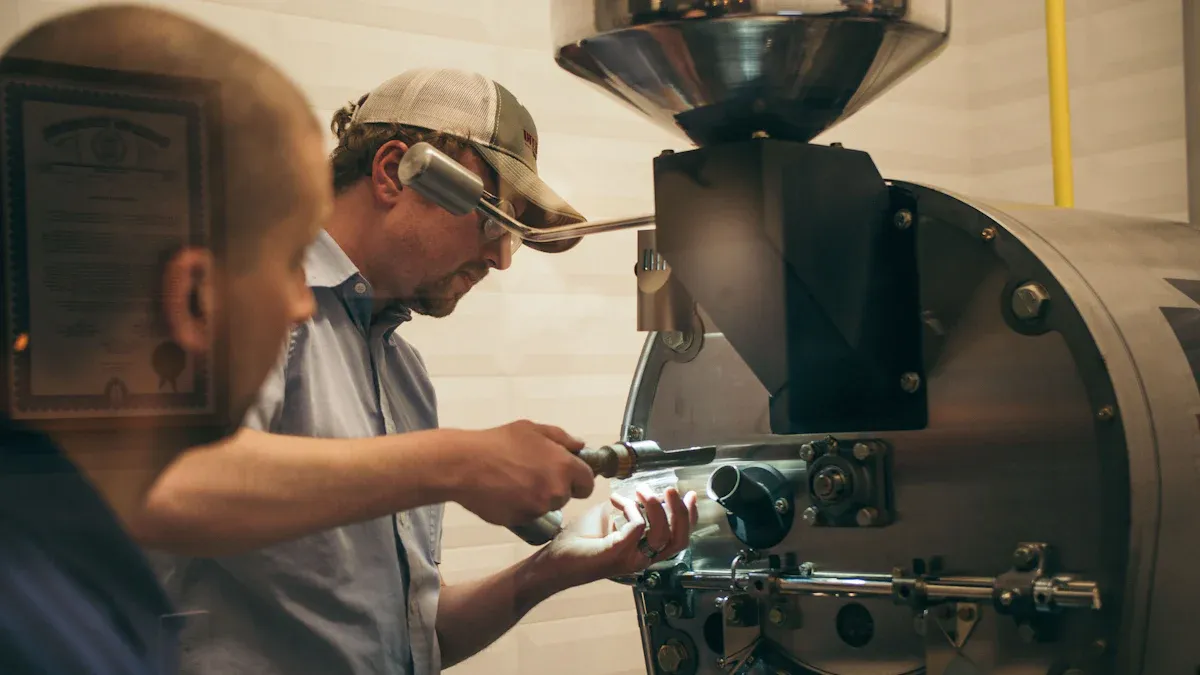
Quality control starts before you pay the deposit. Vet suppliers by requesting certifications (ISO, GMP) and auditing their previous work. Before mass production begins, conduct a "Pre-Production Inspection" to verify raw materials. This prevents the factory from swapping in cheaper materials after you approve the sample.
2. Product Testing and Inspection
Never ship directly to Amazon without inspection. Use third-party inspection services to perform a "Pre-Shipment Inspection" (PSI) when production is 80-100% complete.
| Testing Method | Best For |
|---|---|
| Functional Testing | Ensuring the product works as intended (e.g., electronics turn on). |
| Drop Testing | Verifying packaging can survive Amazon's fulfillment centers. |
| Visual Inspection | Checking for cosmetic defects like scratches, dents, or wrong colors. |
3. Packaging and Labeling Compliance
Packaging errors are the #1 cause of FBA check-in delays. Ensure every unit has a scannable FNSKU barcode and clear "Made in [Country]" markings. Proper packaging reduces returns and improves the unboxing experience, which is vital for private label branding.
Private label sellers on Amazon face higher stakes than arbitrage sellers. You cannot rely on someone else's brand reputation—you must build and protect your own. By prioritizing quality control inspections, strict supplier vetting, and rigorous compliance checks, you safeguard your business against suspensions and build a brand asset that lasts.
FAQ
What is the main difference between private label and arbitrage quality control?
Private label sellers must manage every step of quality control and liability. Arbitrage sellers rely on the original brand manufacturer for product quality.
Why do private label sellers need stricter inspections?
Because they are the brand owners. A defect affects their brand reputation, not a third party's. Stricter inspections prevent account-threatening negative reviews.
How does Amazon enforce quality standards?
Amazon monitors "Order Defect Rate" (ODR). If your private label product receives too many complaints about safety or "used sold as new" (often due to poor packaging), Amazon will suppress your listing or suspend your account.
Can private label sellers improve quality control over time?
Yes. By analyzing customer reviews and return reasons, sellers can refine their product specifications and update their inspection checklists for future batches.
Related Articles
Grow your business with TradeAider Service
Click the button below to directly enter the TradeAider Service System. The simple steps from booking and payment to receiving reports are easy to operate.

