
- About Us

- Our Services
- Your Industry
- Resources
- News & Blog
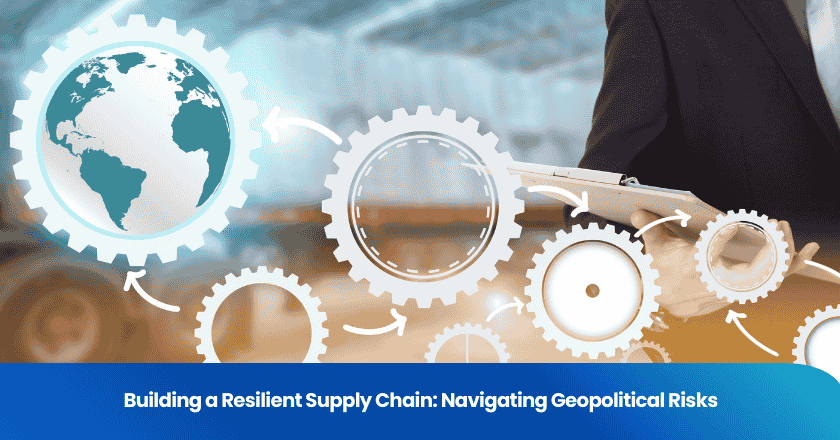
A resilient supply chain withstands geopolitical disruptions through systematic quality assurance, digital oversight, and strict compliance. Leading companies use continuous risk monitoring and collaborative supplier engagement to adapt swiftly. Recent studies show that integrating sustainability and ESG practices reduces vulnerabilities and improves stability. Leaders must shift from reactive crisis management to proactive prevention.

The following data highlights the urgency:
| Statistic | Description |
|---|---|
| 32% | Executives cite geopolitical conflict as a top threat to growth. |
| 71% | Executives believe geopolitical issues could inhibit product sales. |
Key Takeaways
- Proactive Adaptation: A resilient supply chain adapts quickly to geopolitical risks through continuous monitoring.
- Strong Foundation: Investing in supplier qualification and regular audits reduces exposure to disruptions.
- Digital Visibility: Utilizing digital tools for real-time tracking enables swift responses to potential issues.
- Diversification: Diversifying suppliers and markets minimizes reliance on a single source.
- Compliance Strategy: Implementing compliance and ESG standards strengthens stakeholder relationships.
Why Supply Chain Resilience Matters
Geopolitical Risks and Supply Chains
Geopolitical risks have become a central concern for global supply chains. Companies face uncertainty from climate shocks, trade disputes, and regional conflicts. These risks can disrupt every stage, from sourcing raw materials to delivering finished products. Organizations now recognize the need to move away from reactive crisis management. They invest in proactive systems that adapt quickly and maintain stability.
Key reasons for prioritizing resilience include:
- Global uncertainty is increasingly common due to climate events and instability.
- Supply chains are vulnerable to cascading disruptions.
- Recent history highlights how risks can amplify economic shocks.
- Investments in resilience protect against long-term financial damage.
Recent geopolitical events have shown measurable impacts on performance:
| Type of Disruption | Measurable Impact |
|---|---|
| Transportation Reliability | Increased delays and shipping costs |
| Inventory Turnover Rates | Slower turnover due to supply shortages |
| Frequency of Risk Events | Higher occurrence of disruptions from geopolitical tensions |
Trade wars, sanctions, and capacity constraints have raised costs and limited access to key resources. These challenges make supply chain resilience a top priority for leaders.
Consequences of Weak Resilience
Weak supply chain resilience exposes companies to serious risks. Financial losses often follow when disruptions halt production or delay shipments. Reputational damage can occur if customers experience shortages or poor service. A resilient supply chain helps organizations withstand shocks and recover quickly, protecting brand reputation and maintaining customer trust.
Assessing Geopolitical Risk Exposure
Identifying Supply Chain Risk Points
Companies must first understand where vulnerabilities exist. Geopolitical risks can impact suppliers, logistics providers, and even customers. Risk assessment techniques help organizations identify and evaluate potential threats at every step, including mapping the entire supply chain and analyzing transportation routes.
Tip: Regularly update supply chain maps to reflect changes in supplier locations or transportation networks. This practice helps companies stay aware of new vulnerabilities as geopolitical situations evolve.
Tools for Risk Assessment
Organizations use a variety of digital tools to assess geopolitical risk exposure. Advanced risk intelligence platforms aggregate data from sources like social media and news outlets, using algorithms to analyze risks and provide actionable insights. By combining multiple tools to monitor financial health or regional instability, companies gain a comprehensive view of their landscape.
Upfront Risk Mitigation in a Resilient Supply Chain
Supplier Qualification and Factory Audits
A resilient supply chain begins with strong supplier qualification. Companies that invest in these steps reduce risk exposure by ensuring that suppliers meet strict standards before production starts.
Supply chain leaders map every supplier and sub-supplier, tracking the flow of materials. They assign risk levels based on role and past performance. High-risk suppliers receive more frequent and detailed audits. Regular updates to these risk assessments keep the process current as new suppliers join or global trade patterns shift.
Note: Employing auditors with local expertise improves communication and ensures compliance with local regulations. This approach helps companies adapt to different cultures, which is vital for global supply chains.
Key steps for effective supplier qualification:
- Develop a detailed supplier map, including sub-suppliers.
- Assign risk levels and focus audits on high-risk partners.
- Update risk assessments regularly.
- Use local auditors for better compliance and communication.
Pre-Production Material Verification
Pre-production material verification acts as a proactive shield. Before bulk production begins, companies inspect raw materials and components. Pre-production inspections give companies greater agility, allowing them to address issues before they grow into larger disruptions. This step ensures that materials meet quality standards, preventing costly defects and delays later.
Tip: Schedule pre-production inspections for every new order or supplier. This habit helps catch issues early and keeps supply chain risks under control.
Real-Time Transparency and Digital Oversight
Live Monitoring and Online Reporting
Supply chain leaders rely on real-time monitoring to maintain visibility. Digital oversight tools allow companies to track inspections and production progress from any location. Cloud-based platforms centralize data, providing a single source of truth for all stakeholders. Real-time risk dashboards track global events and alert teams to potential disruptions.
| Tool Type | Benefit |
|---|---|
| Cloud-Based Platforms | Centralize data providing a single source of truth. |
| Digital Twins | Simulate scenarios to forecast disruptions and test plans. |
| Real-Time Risk Dashboards | Track global events and their potential effect on vendors. |
| Performance Analytics | Measure delivery accuracy and quality issues over time. |
During Production Intervention
During production, intervention at critical stages prevents systemic failures. Real-time oversight allows teams to monitor progress when 20–50% of goods are completed. If quality issues arise, managers can intervene immediately. This approach reduces the risk of losing entire batches and minimizes delays.
Total Quality Control for Large Orders
Total quality control (TQC) plays a vital role in managing large orders during periods of uncertainty. Companies implement TQC at critical nodes to reduce defects and delays. A network-level approach to risk management enhances resilience against disruptions.
Compliance and ESG for Supply Chain Risk Management
Social and Ethical Standards (SA8000, BSCI)
Companies strengthen resilience by adopting social and ethical standards such as SA8000 and BSCI. These frameworks set clear expectations for labor rights and workplace safety. Certification demonstrates a company's commitment to responsible business practices, helping organizations gain buyer trust and create a competitive edge.
| Benefit | Description |
|---|---|
| Long-term positive impacts | Standards improve workers' welfare and support sustainability. |
| Risk reduction | Helps identify and address ethical risks in the supply chain. |
| Enhanced relationships | Stronger connections with stakeholders support resilience. |
International Regulatory Compliance
International regulatory compliance ensures that products meet the requirements of target markets. Standards such as CPSIA, CE, and RoHS protect companies from legal penalties. Leading organizations also follow global frameworks like the EU's CSRD and SEC Climate Disclosure Rules to manage environmental, social, and governance (ESG) risks. Integrating these standards leads to fewer shipping delays and reduces exposure to disruptions.
Diversification and Strategic Sourcing
Supplier and Market Diversification
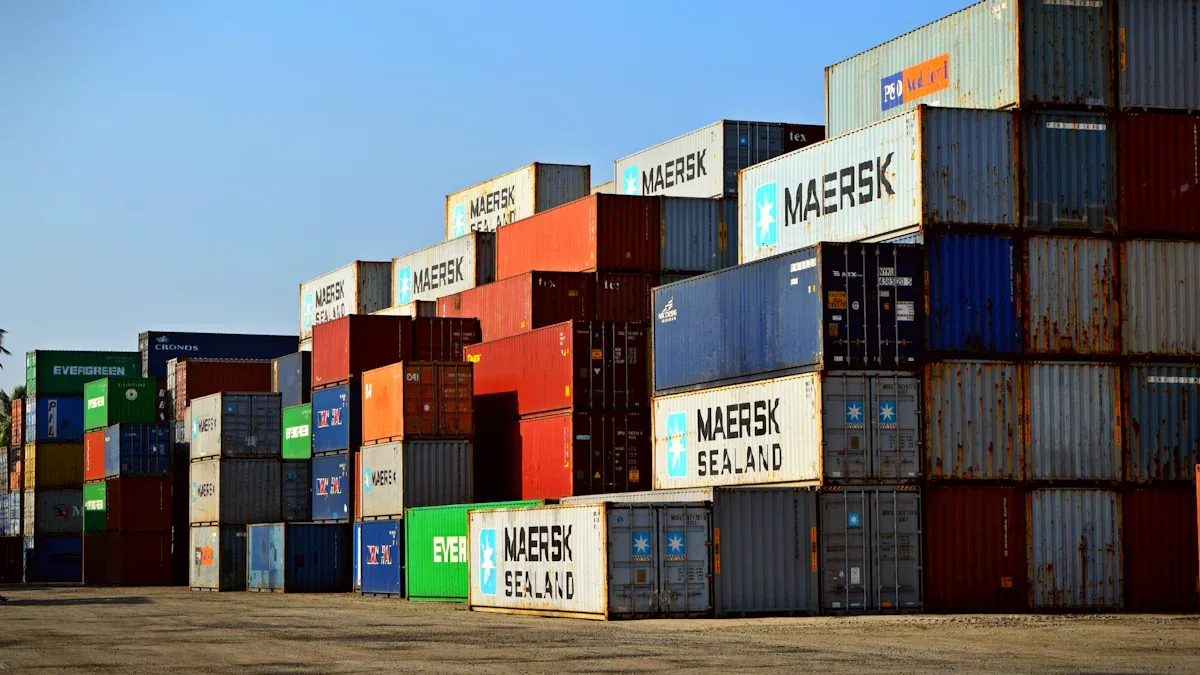
Companies strengthen resilience by diversifying suppliers and markets. Avoiding reliance on a single region allows them to adapt to sudden changes in tariffs or market conditions. Many organizations now use scenario modeling to maintain continuity during geopolitical disruptions.
- Diversification allows companies to shift production quickly if one area faces disruption.
- Companies balance cost savings with the need for innovation and regulatory access.
- Seeking alternative suppliers in different regions minimizes delays.
- Strategies like "China + 1" and nearshoring are gaining popularity to reduce risk.
Evaluating Alternative Locations
Selecting the right alternative suppliers requires careful evaluation. Companies use analytics to monitor supplier performance and plan for different scenarios. They assess each location for risks such as political instability, labor issues, and regulatory changes. This process ensures that companies can adapt quickly and keep supply chains running smoothly.
Resilience and Trust in Supplier Relationships
Building Long-Term Partnerships
Focusing on long-term partnerships creates a foundation for trust. Setting clear expectations and sharing business goals helps suppliers understand how they can contribute to success. Open feedback loops lead to innovation and stronger performance. Suppliers who know the long-term vision can align their efforts and invest in better processes.
Regular Audits and Communication
Regular audits and transparent communication strengthen resilience. Audits ensure that suppliers meet agreed-upon standards and provide a chance to take corrective action. When companies share audit results and discuss issues openly, they build accountability.
- Clear communication fosters openness and honesty.
- Sharing results enhances accountability.
- Transparency builds the trust needed for collaboration.
Optimizing Inventory and Cash Flow
Inventory Flexibility
Inventory flexibility supports continuity during uncertainty. Strategies to maintain stability include:
- Maintaining extra stock (buffer stock) for unforeseen disruptions.
- Implementing real-time inventory tracking.
- Ensuring sufficient lead times for orders.
- Utilizing demand forecasting software.
Tip: Companies should review inventory policies regularly to ensure they align with the latest business continuity plan.
Financial Strategies for Uncertainty
Flexible payment terms allow companies to manage cash flow during uncertain times. Regular reassessment of financial plans ensures that organizations stay prepared. Hedging strategies, such as forward contracts, can help manage currency risks and reduce the impact of geopolitical volatility.
Proactive Strategies for Supply Chain Risk
Scenario Planning and Contingency
Scenario planning helps organizations prepare for uncertainty. Companies use this approach to anticipate disruptions and build strategies for adaptation. Teams develop possible scenarios based on critical uncertainties and draw up contingency plans.
| Best Practice | Description |
|---|---|
| Define the scope | Set clear parameters for analysis including risks. |
| Analyze key factors | Identify variables that could impact the business. |
| Develop possible scenarios | Envision potential futures using a matrix of uncertainties. |
| Create contingency plans | Outline responses for each scenario with preventive measures. |
| Monitor "Weak Signals" | Consider hypothetical but plausible circumstances. |
Data-Driven Decision Making
Data-driven decision making transforms risk management from reactive to proactive. Organizations use real-time monitoring and predictive analytics to detect disruptions early. This approach improves agility and supports continuous adaptation to changing conditions.
A resilient supply chain stands on four pillars: quality assurance, digital oversight, compliance, and diversification. Leading organizations focus on visibility and agility at every stage. Strong management culture and strategic alliances with suppliers build long-term strength. Continuous risk management ensures companies can adapt quickly to disruptions. Now is the time to implement these strategies for lasting resilience.
FAQ
What is the first step to building a resilient supply chain?
Companies should start with a thorough risk assessment. Map suppliers, identify vulnerabilities, and evaluate geopolitical threats to understand where to focus resources.
How do digital tools improve supply chain resilience?
Digital tools provide real-time visibility, allowing teams to monitor production, track shipments, and respond quickly to disruptions using data-driven decisions.
Why is supplier diversification important?
Supplier diversification reduces dependence on one region or partner. It helps companies shift production when disruptions occur, lowering the risk of total supply chain failure.
Which compliance standards matter most?
Key standards include SA8000 for social responsibility, BSCI for ethical sourcing, and market-specific regulations like CPSIA, CE, or RoHS. Meeting these ensures market access and reduces legal risks.
How often should companies audit their suppliers?
Experts recommend regular audits, at least once a year. High-risk suppliers may need more frequent checks to maintain quality and compliance.
Related Articles



Grow your business with TradeAider Service
Click the button below to directly enter the TradeAider Service System. The simple steps from booking and payment to receiving reports are easy to operate.

