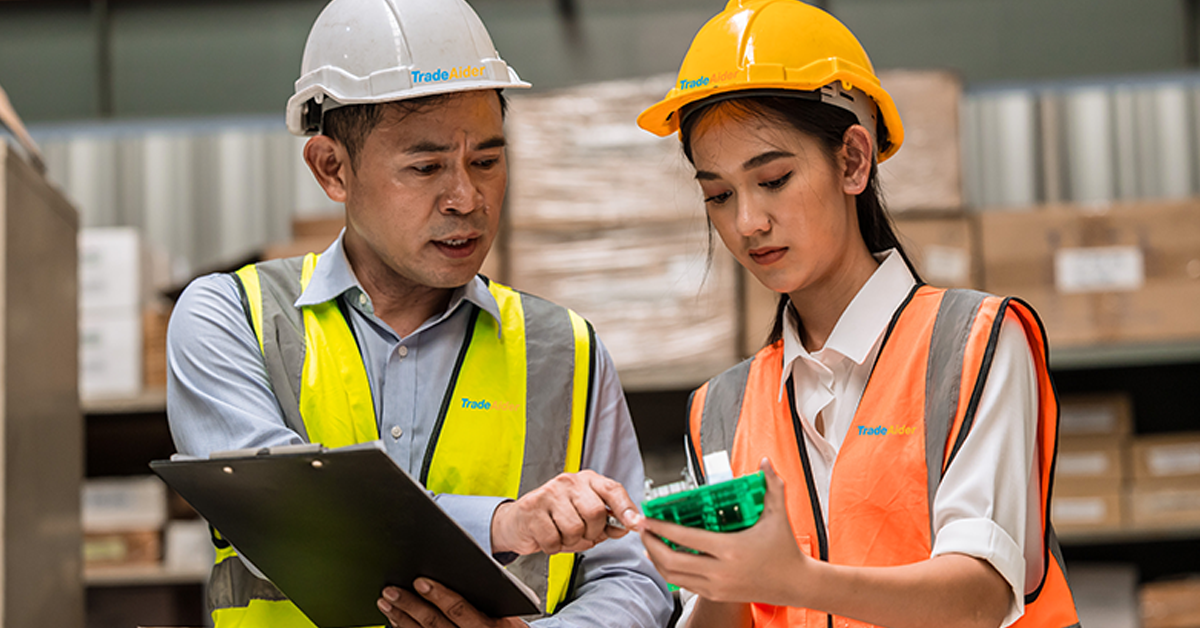
Pre-Production Inspection (PPI)
_111652.webp)
Definition
Pre-Production Inspection (PPI), also known as an initial-stage inspection in some quality control practices, is an inspection activity conducted before mass production begins. Its purpose is to verify whether the materials, components, product specifications, samples, and relevant production preparations are ready for the planned manufacturing order.
PPI helps buyers and manufacturers identify potential quality issues at an early stage, before incorrect materials or misunderstood requirements affect a large quantity of products.
Depending on the product and agreed inspection scope, PPI may cover:
- Raw materials and key components
- Accessories, trims, and packaging materials
- Approved samples and product specifications
- Product dimensions, weight, color, and workmanship
- Semi-finished items or initial production samples, where available
- Production processes, equipment, and preparation status
- Other buyer-specific quality requirements
PPI is a practical quality control activity rather than a single universal inspection standard. Its exact scope, sampling approach, and acceptance criteria should be defined according to the product, purchase requirements, and buyer's quality expectations.
Why Is Pre-Production Inspection Important?
Many product quality problems can originate before manufacturing starts. Incorrect raw materials, unapproved component substitutions, outdated specifications, or differences between the approved sample and production requirements may affect the entire order.
PPI helps identify these issues before they become more difficult or costly to correct.
Its main benefits include:
1. Verify raw materials and components
PPI checks whether the materials and components prepared for production match the agreed specifications, including relevant material types, colors, sizes, grades, and other requirements.
2. Confirm product specifications
The inspection provides an opportunity to compare available samples, drawings, product specifications, and production requirements to identify inconsistencies before mass production.
3. Identify preparation issues
Relevant production arrangements, equipment, processes, and quality control preparations can be reviewed to identify potential concerns that may affect manufacturing.
4. Reduce the risk of repeated defects
Detecting an incorrect material or component before production can help prevent the same issue from being repeated across a large quantity of products.
5. Improve communication between buyers and manufacturers
PPI provides an opportunity to clarify product requirements, inspection criteria, and quality expectations before production progresses.
PPI does not guarantee that all subsequent products will conform. It provides an early assessment of the items and preparations covered by the agreed inspection scope.
What Does a Pre-Production Inspection Checklist Include?
A PPI checklist should be tailored to the product and purchase requirements. The following areas are commonly considered.
| Inspection Area | What to Check |
|---|---|
| Raw materials | Material type, grade, color, thickness, weight, surface condition, and other specified properties |
| Components and accessories | Component specifications, sizes, colors, functions, and consistency with approved requirements |
| Approved samples | Product appearance, construction, dimensions, workmanship, and differences from the production preparation |
| Product specifications | Latest drawings, technical specifications, product details, and revision status |
| Semi-finished products | Available initial items, assembly details, workmanship, and relevant dimensions |
| Packaging materials | Packaging type, material, printing, labels, accessories, and packing requirements |
| Production preparation | Relevant machinery, tooling, production arrangements, and process instructions |
| Quality requirements | Inspection criteria, testing requirements, defect classification, and other agreed quality controls |
Not every PPI requires all these checks. For example, a textile order may require detailed checks of fabric composition, color, weight, and trims, while an electronic product may require component identification, specifications, and initial functional checks.
Some characteristics cannot be fully verified through visual inspection alone. Where material composition, chemical properties, or specialized performance characteristics need confirmation, appropriate testing may also be required.
How Is Pre-Production Inspection Conducted?
A typical PPI process can be organized into the following steps.
Step 1: Review the purchase and product requirements
Before the inspection, review the purchase order, approved product specifications, drawings, samples, material requirements, packaging details, and any applicable testing or inspection criteria.
The latest approved revisions should be identified to avoid checking materials or samples against outdated information.
Step 2: Confirm the availability of materials and components
Check whether the raw materials, main components, accessories, and other items required for the order are available for inspection.
Where applicable, verify material identification, specifications, quantities, and supporting documents.
Step 3: Inspect samples and product details
Compare available samples or initial production items with the approved sample, drawings, and technical requirements.
Check relevant dimensions, weight, color, construction, workmanship, and other product-specific characteristics.
Step 4: Review production preparations
Depending on the agreed scope, examine relevant production equipment, tooling, process arrangements, work instructions, and quality control preparations.
The purpose is to identify obvious gaps that may affect the planned production process, not to replace a comprehensive factory audit.
Step 5: Record findings and discrepancies
Document the inspection results with appropriate measurements, photographs, observations, and supporting evidence.
Any discrepancy should be clearly described and compared with the applicable requirement.
Step 6: Communicate the results before production progresses
Share the inspection findings with the buyer and relevant factory personnel. Where problems are identified, clarify the required corrective actions and determine whether re-inspection or additional verification is needed.
A PPI report should distinguish between items that have been checked, items that remain unavailable, and requirements that could not be verified within the agreed scope.
When Should Pre-Production Inspection Be Conducted?
PPI is generally arranged after the relevant production materials and components are available but before mass production begins.
The timing should allow enough opportunity to identify and address discrepancies before they affect the production run.
PPI is particularly useful in the following situations:
- New product orders: When a product is being manufactured for the first time and its materials, components, and specifications need to be verified.
- New manufacturing arrangements: When a factory, production line, or manufacturing process is being introduced for an order.
- Material or component changes: When the buyer needs to verify newly selected or revised materials and components.
- Products with complex specifications: When multiple components, materials, colors, or technical requirements increase the possibility of misunderstandings.
- Orders with strict quality requirements: When early verification is important to avoid significant rework or production delays.
If mass production has already progressed substantially, a PPI may no longer provide the intended pre-production control. In that situation, a During Production Inspection (DUPRO) may be more appropriate.
What Happens If PPI Identifies Quality Problems?
Finding a discrepancy during PPI does not automatically mean the entire order must be rejected. The appropriate action depends on the nature of the issue and the buyer's requirements.
Typical follow-up actions include:
Material replacement: If raw materials or components do not match the approved specifications, the factory may need to replace them before production.
Specification clarification: If the approved sample, drawings, purchase order, or technical requirements are inconsistent, the buyer and factory should clarify which requirements apply.
Sample or component approval: If a material, accessory, or product detail has not yet received approval, production may need to wait until the relevant approval is obtained.
Corrective action: If production preparations or processes have identifiable shortcomings, the factory should address them before proceeding.
Re-inspection: Where required, another inspection can verify whether the identified issues have been corrected.
The inspection report should record the findings and follow-up status. Decisions to proceed with production, accept deviations, or require corrective actions should remain subject to the buyer's authorization and contractual requirements.
Pre-Production Inspection vs. During Production Inspection
PPI and DUPRO are both conducted before the order is ready for shipment, but they focus on different stages and quality risks.
| Comparison | Pre-Production Inspection (PPI) | During Production Inspection (DUPRO) |
|---|---|---|
| Main purpose | Verify production preparations and relevant materials before mass production | Check actual products and manufacturing quality while production is underway |
| Typical timing | Before mass production begins | During production, commonly when a portion of the order has been completed |
| Main focus | Materials, components, samples, specifications, and production readiness | Product appearance, workmanship, dimensions, functionality, and process consistency |
| Typical findings | Incorrect materials, unapproved components, specification discrepancies, and preparation gaps | Defects, inconsistent workmanship, dimensional deviations, and process-related issues |
| Main objective | Address potential issues before they enter mass production | Identify and address issues before the entire order is completed |
The two inspections are complementary. PPI checks whether production is properly prepared, while DUPRO checks the quality of products being manufactured.
A satisfactory PPI result does not eliminate the need for subsequent product inspections.
How TradeAider Conducts Pre-Production Inspection
TradeAider provides third-party Pre-Production Inspection services in China to help buyers verify relevant production preparations and product requirements before mass production progresses.
Depending on the agreed inspection scope, TradeAider's PPI service may cover:
- Raw materials and semi-finished products
- Production processes and product techniques
- Comparisons between approved samples and bulk production preparations
- Product packaging and accessories
- Product dimensions and weight
- Other specified buyer requirements
During the inspection, findings can be shared through TradeAider's online Service System, allowing buyers to follow inspection progress and review identified issues in real time. An official inspection report is also provided, normally within 24 hours after the inspection.
Where discrepancies are identified, buyers can review the findings and decide whether materials or products should be accepted, rectified, or rejected, subject to the agreed inspection scope and the buyer's instructions.
Learn more about TradeAider's Pre-Production Inspection Service.
Frequently Asked Questions
1. What does PPI stand for in quality control?
PPI stands for Pre-Production Inspection. It is an inspection activity conducted before mass production to check relevant materials, components, samples, specifications, and production preparations.
2. Is PPI conducted before or after production starts?
PPI is generally conducted before mass production begins. Some initial production items may be available for examination, depending on the product and inspection arrangement. If production has already progressed, a during-production inspection may be more suitable.
3. Is PPI mandatory for every order?
No. PPI is not a universal mandatory requirement for all products or industries. Whether it is needed depends on the buyer's quality control plan, product complexity, material risks, manufacturing arrangements, and contractual requirements.
4. Does PPI replace Pre-Shipment Inspection (PSI)?
No. PPI focuses on production preparation and relevant materials before mass production, while PSI examines finished goods before shipment. They address different stages of the production process.
5. Can PPI verify the chemical composition or safety of raw materials?
Not through visual inspection alone. Chemical composition and certain safety characteristics require appropriate testing methods and equipment. Laboratory testing may be arranged when these properties need to be verified.
Need Pre-Production Inspection Support in China?
Checking materials, components, samples, and production preparations before mass production can help identify potential quality issues at an early stage.
TradeAider provides third-party PPI services in China, with on-site inspection and real-time reporting to help buyers review findings and make informed decisions before production progresses.
Contact TradeAider to discuss your pre-production inspection requirements.
Explore TradeAider's Pre-Production Inspection Service
Sources & References
[1] International Organization for Standardization (ISO). ISO 9001:2015 — Quality management systems — Requirements. https://www.iso.org/standard/62085.html
[2] International Organization for Standardization (ISO). ISO 9000:2026 — Quality management — Fundamentals and vocabulary. https://www.iso.org/standard/9000
Related Knowledge Base
Factory Audit vs. Product InspectionProduct Inspection vs. Product TestingPPI, DUPRO, and PSIRandom Sampling Inspection vs. 100% InspectionProduct Inspection ReportFactory Production Control (FPC)Initial Production Check (IPC)During Production Inspection (DUPRO)Pre-Shipment Inspection (PSI)Inspection Levels I, II, and III
TradeAider