
- About Us

- Our Services
- Your Industry
- Resources
- News & Blog
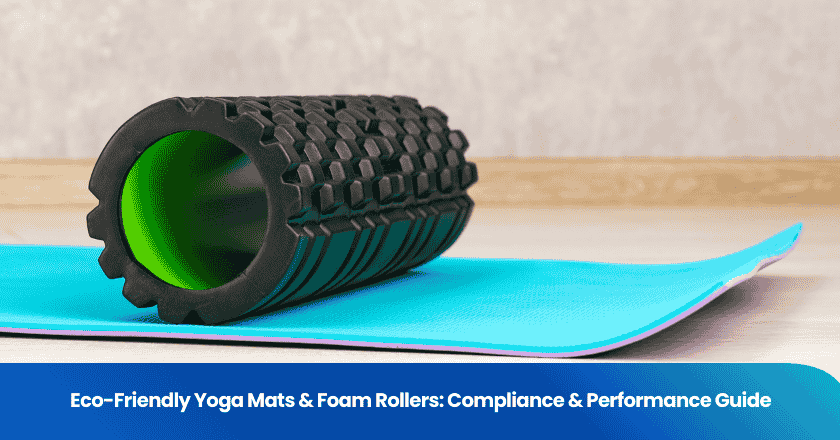
Achieving eco-material compliance and high rebound performance in yoga mats and foam rollers is essential for modern manufacturing. Products must meet REACH and RoHS standards while passing strict physical quality checks. Health-conscious consumers prioritize chemical safety, non-toxic materials, and reliable durability in their fitness gear.

- Many brands now offer biodegradable and recyclable mats, responding to the rising demand for environmentally friendly options.
- Consumers seek products that support health, using natural rubber and jute while avoiding PVC. Eco-material compliance ensures users protect their health during exercise.
Key Takeaways
- Choose yoga mats and foam rollers made from non-toxic materials like natural rubber or cork to protect your health and the environment.
- Look for eco-friendly certifications such as OEKO-TEX and GOTS to ensure products meet safety and sustainability standards.
- Verify eco-material claims by asking for third-party testing results and checking for transparency in material information.
- Select products with high rebound performance to ensure comfort and durability during your workouts, reducing the risk of injury.
- Support brands that use biodegradable and recyclable materials to promote a healthier planet and responsible consumption.
Eco-Material Compliance for Hardline Sports Products
Restricted Substance Testing and REACH/RoHS
Eco-material compliance plays a vital role in the safety and quality of yoga mats and foam rollers. Chemical safety testing ensures that these hardline sports products meet strict international standards. Regulatory frameworks such as REACH, RoHS, and CPSIA set limits on hazardous substances. These rules protect both consumers and the environment.
Manufacturers use restricted substance testing to check for dangerous chemicals. This process supports risk control and helps companies gain market access, especially in the European Union. Authorities in the EU have increased enforcement, leading to more recalls and bans for non-compliant products. Compliance with REACH and RoHS is now essential for selling hardline sports products in Europe.
Common restricted substances found in yoga mats and foam rollers include:
- Synthetic latex & Vinyl
- PVC & Phthalates
- Mercury & Dioxins
- Azodicarbonamide (ADA)
- Formaldehyde & Benzene
Testing for these substances ensures the absence of harmful chemicals. This process also supports eco-material compliance and protects users from exposure during exercise.
Non-Toxic Materials and Eco-Friendly Choices
Choosing non-toxic yoga mats and foam rollers is important for health and sustainability considerations. Non-toxic materials help prevent exposure to dangerous chemicals. They also support the environment by reducing pollution and waste.
Traditional mats often contain PVC and phthalates, which can release toxic fumes during intense workouts. Non-toxic alternatives like TPE, natural rubber, and cork provide safer, healthier options for daily use.
The table below shows popular eco-friendly materials and their environmental impact:
| Material | Description | Environmental Impact |
|---|---|---|
| Jute | Extracted from bark, blended with PER. | Sustainable and biodegradable. |
| Natural rubber | Harvested from rubber trees. | Renewable resource, minimal processing. |
| Natural cork | Comes from cork oak forests. | Vital carbon sink, regenerative. |
| Organic cotton | Grown without harmful pesticides. | Reduces pollution, sustainable farming. |
| Recycled plastic | Made from reused materials. | Reduces landfill waste. |
Certifications and Regulatory Standards
Key Certifications for Eco-Friendly Mats and Foam Rollers
Certifications play a major role in the safety and sustainability of yoga mats and foam rollers. Companies use certifications to show that their products meet strict standards, helping buyers trust that the products are safe.
| Certification | Implication |
|---|---|
| OEKO-TEX | Ensures products are free from harmful substances. |
| Global Recycled Standard | Certifies eco-friendly recycled materials. |
| GOTS | Verifies organic fibers and safe processing. |
| FSC | Confirms responsible forest management (cork/rubber). |
Standardized Testing Protocols (GB, ISO, ASTM, EN)
Standards guide the testing and approval of yoga mats and foam rollers. These standards include GB, ISO, ASTM, and EN. Each standard sets rules for product safety, chemical content, and performance.
Certifications and standards work together to protect consumers and the environment. Material certifications confirm that products meet strict rules for safety and sustainability.
Rebound Performance Checks and Physical Testing

Mechanical Strength and Durability
Manufacturers test yoga mats and foam rollers for mechanical strength to ensure they withstand repeated use. They use specialized equipment to apply force and measure how well the products recover their shape. Durability testing involves simulating thousands of cycles of pressure, similar to what users experience during exercise.
Performance benchmarks often require a compression recovery rate of over 90% after 100,000 cycles. This ensures the product remains comfortable and supportive for long-term use.
Functional Testing for Eco-Friendly Foam Rollers
Functional testing evaluates how eco-friendly foam rollers perform during actual use. Inspectors check for rebound performance, compression recovery, and resistance to deformation.
| Test Type | Benchmark Value | Importance |
|---|---|---|
| Compression Recovery | ≥ 92% after 100k cycles | Ensures long-lasting support. |
| Impact Resistance | No permanent deformation | Confirms durability under stress. |
| Chemical Safety | Free from phthalates, BPA | Protects users from toxic exposure. |
Buying Guide: Verifying Eco-Compliance and Performance
How to Check Certifications and Non-Toxic Claims
Consumers often face challenges when verifying eco-material compliance. Transparency from companies helps buyers make informed choices. Buyers should look for products tested by third-party labs instead of relying only on manufacturer statements.
| Method | Description |
|---|---|
| Third-party testing | Independent labs verify compliance and safety claims. |
| Transparent material info | Companies provide clear details about composition. |
| Certification labels | Recognized certifications confirm regulatory compliance. |
What to Ask About Eco-Friendly Foam Rollers
When sourcing foam rollers, request specific data regarding material composition and compliance. Brands offering take-back programs or using recycled content demonstrate a higher commitment to sustainability.
- Do the materials meet REACH and CPSIA standards?
- Is there documentation for compression and aging performance?
- Does the product contain antimicrobial treatments?
Selecting yoga mats and foam rollers that meet eco-material compliance and rebound performance standards supports both personal health and environmental safety. By prioritizing products with certifications like OEKO-TEX and GOTS, and ensuring rigorous physical testing, consumers can enjoy safe, durable, and sustainable fitness gear. Manufacturers must continue to adhere to evolving standards like safety regulations to maintain market access and consumer trust.
FAQ
What does REACH and RoHS compliance mean for yoga mats?
REACH and RoHS compliance ensures the products do not contain hazardous chemicals like lead, mercury, or phthalates above strict legal limits, protecting user health.
How can buyers verify eco-material claims?
Check for third-party certifications such as OEKO-TEX, GOTS, or FSC. Requesting test reports from independent labs is the most reliable method.
Why is rebound performance important?
Rebound performance measures how well a foam roller or mat returns to its original shape. Good rebound ensures consistent support, comfort, and durability over time.
Which materials are eco-friendly for yoga mats?
Natural rubber, cork, organic cotton, and jute are considered eco-friendly. Recycled plastics (TPE) are also better alternatives to traditional PVC mats.
What certifications indicate a safe yoga mat?
Look for certifications like OEKO-TEX, GREENGUARD Gold, and FSC. These labels confirm strict adherence to safety and environmental standards.
Related Articles

Grow your business with TradeAider Service
Click the button below to directly enter the TradeAider Service System. The simple steps from booking and payment to receiving reports are easy to operate.

