

In the world of resin crafts, meticulous attention to detail defines quality. Artists and manufacturers strive for a flawless finish, ensuring their creations arrive in pristine condition. However, shipping risks like vibrations and impacts can compromise delicate items. Painting Adhesion Tests verify that the finish won't peel or chip, while robust packaging drop tests ensure protection against transit damage. Implementing these quality control measures is essential for maintaining customer satisfaction and brand reputation.
Key Takeaways
- Proper surface preparation (cleaning, degreasing) is crucial for ensuring strong paint adhesion on resin.
- Conduct painting adhesion tests like the 3M Tape Test to verify durability before shipping.
- Perform packaging drop tests to ensure resin crafts can withstand shipping impacts without breakage.
- Select the right primer to enhance paint bonding and extend the finish's lifespan.
- Adhere to industry standards for consistent quality control and reduced return rates.
Quality Control for Resin Crafts
Hardline Products and Industry Standards
Quality control is pivotal for Hardline Products like resin figurines. Inspectors focus on two critical areas: surface finish durability and packaging integrity. By verifying these aspects, manufacturers can prevent common issues like paint peeling or shipping damage.
Tip: Thorough cleaning and priming of the resin surface significantly improves paint adhesion and longevity.
Why Paint Adhesion and Packaging Security Matter
Resin crafts often face long transit times. Poor paint adhesion can lead to flaking, while weak packaging results in breakage. These defects directly impact product value and customer trust.
Consequences of quality failures include:
- Peeling or flaking of the painted finish.
- Cracks, chips, or breakage during transport.
- Increased returns and negative customer reviews.
Surface Preparation for Resin
Cleaning and Degreasing Techniques
Effective preparation starts with cleaning and degreasing. Resin surfaces often retain mold release agents or oils that prevent paint from sticking. Isopropyl alcohol or ethanol are effective for wiping down models. Ensuring the surface is free of contaminants is the first step toward a durable finish.
Sanding for Paint Adhesion
Sanding creates a mechanical bond for the paint. Lightly sanding glossy resin surfaces with fine-grit sandpaper removes slick spots and provides "tooth" for the primer. This simple step drastically reduces the risk of paint lifting later on.
Priming and Clear Coating
Primers create a uniform base that bonds chemically with the resin and physically with the paint. The table below outlines popular primer options:
| Primer Type | Best Use Case |
|---|---|
| Automotive Primer | Overall durability and strong adhesion. |
| High-Build Primer | Filling minor surface imperfections. |
| Adhesion Promoter | For difficult-to-paint plastics and resins. |
Applying a clear coat as a final step adds UV protection and chemical resistance, preserving the craft's appearance over time.
Painting Adhesion Tests
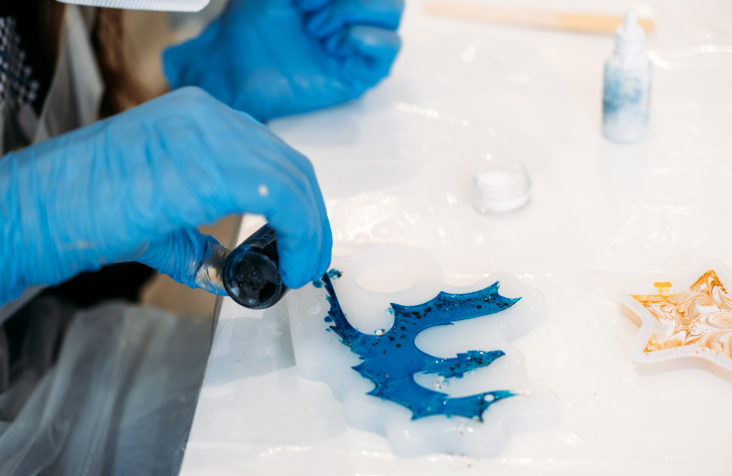
Painting adhesion tests are the industry standard for verifying finish durability. These tests confirm that the paint will remain intact during handling and shipping.
3M Tape Test Protocol
The 3M Tape Test (ASTM D3359) is widely used for resin crafts. Inspectors press a specific pressure-sensitive tape over a cross-hatch cut in the paint and remove it rapidly. If paint flakes off with the tape, the adhesion fails. This simple, non-destructive test provides immediate feedback on coating quality.
Abrasion Resistance Checks
Abrasion tests simulate wear and tear from daily use. Industry-standard methods evaluate how well the paint resists friction.
| Test Method | Description |
|---|---|
| ASTM D4060 | Measures wear resistance using a Taber Abraser. |
| ISO 7784 | Uses abrasive paper to determine paint film resistance. |
| Rub Test | Manual test using a cloth to check for color transfer. |
Interpreting Defects and Results
Inspectors classify defects as Critical, Major, or Minor. Common adhesion failures include:
| Defect Type | Cause | Solution |
|---|---|---|
| Peeling/Flaking | Contaminated surface (oil/dust). | Improve degreasing process. |
| Poor Bond | Smooth surface (no sanding). | Sand surface to increase grip. |
| Incompatible Layers | Wrong primer usage. | Select compatible primer systems. |
Packaging Drop-Test Security
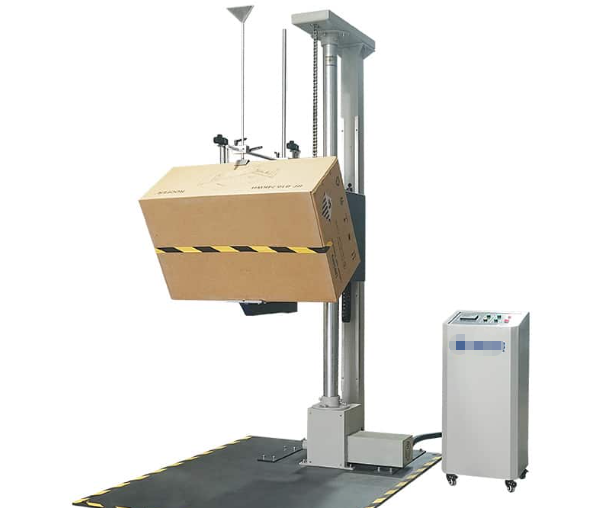
Safe shipping relies on robust packaging. Packaging inspection involves drop tests to simulate the rigors of transit.
Carton Drop Test Procedures
The carton drop test evaluates the master shipping carton's ability to protect its contents. The procedure involves:
- Select a fully packed carton.
- Determine the drop height based on carton weight (typically 76cm - 96cm).
- Drop the carton 10 times on specific sides, edges, and corners.
- Inspect contents for damage.
Unit Drop Test for Individual Packaging
For items with retail packaging (inner boxes), unit drop tests are essential. The packaged item is dropped from a set height to ensure the internal cushioning (foam, bubble wrap) prevents the resin craft from cracking upon impact.
| Factor | Impact on Safety |
|---|---|
| Cushioning | Proper thickness absorbs shock. |
| Box Strength | Double-wall cardboard prevents crushing. |
| Fit | Tight fit prevents internal movement. |
Compliance and Inspection Standards
Adhering to packaging standards like ISTA 1A helps manufacturers ensure their products survive global logistics. Inspectors document all test results, noting any failures in structural integrity or product damage.
Ensuring the quality of resin crafts requires a dual focus: durable finishes and secure packaging. By implementing rigorous painting adhesion tests and standardized drop tests, manufacturers can significantly reduce defect rates. Following these QC protocols ensures that the artistry of resin crafts is preserved from the factory floor to the customer's hands.
FAQ
How does the 3M Tape Test work for resin crafts?
Inspectors apply 3M pressure-sensitive tape over a cross-cut area of the paint and pull it off rapidly. If the paint remains on the resin, it passes; if it lifts onto the tape, it fails.
What should be done before painting resin?
Thoroughly clean and degrease the surface to remove mold release agents. Lightly sand the resin to create a mechanical bond, and apply a suitable primer.
Why is the carton drop test important?
It simulates the rough handling packages experience during shipping. Passing this test confirms that the packaging design effectively protects fragile resin items from breakage.
Which standards guide these tests?
Common standards include ASTM D3359 for adhesion testing and ISTA 1A for packaging drop tests. These provide consistent benchmarks for quality assurance.
Artículos Relacionados
Haga crecer su negocio con el Servicio TradeAider
Haga clic en el botón de abajo para ingresar directamente al Sistema de Servicios TradeAider. Los pasos simples desde la reserva y el pago hasta recibir los informes son fáciles de operar.

