- Acerca de Nosotros

- Nuestros Servicios
- Su Industria
- Recursos
- Noticias y Blog
Container Loading Supervision (CLS)
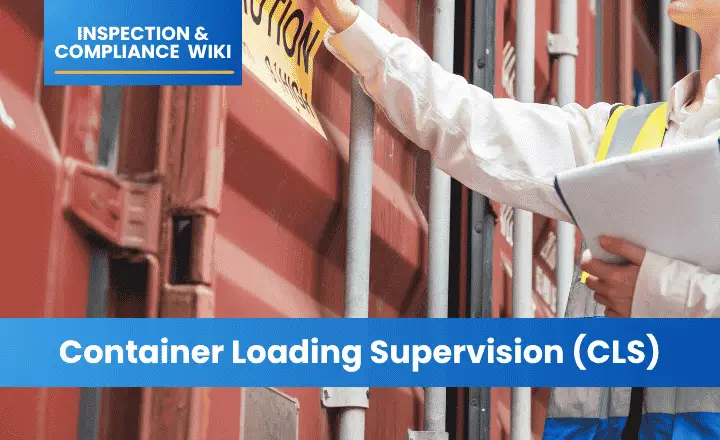
In international logistics, a successful product inspection is only half the battle. Even if your products pass a strict Pre-Shipment Inspection (PSI) with 0% defects, your entire investment remains at extreme risk during the physical loading process.
Once your goods are handed over to the factory's loading crew, a lack of supervision can lead to collapsed boxes, wet cargo, or short-shipped quantities.
To eliminate these final-mile risks, professional buyers utilize Container Loading Supervision (CLS)—also frequently called Container Loading Inspection (CLI).
This guide explains what CLS is, what an on-site inspector verifies at the factory loading dock, and why securing your container seal is your ultimate insurance policy against transit damage and customs disputes.
What is Container Loading Supervision (CLS)?
Container Loading Supervision (CLS) is the final on-site quality control step, performed at the manufacturer's warehouse when your goods are physically loaded into the shipping container.
It is scheduled when 100% of the order is fully produced, packed, and ready for dispatch.
Unlike previous quality checks that focus on product functionality or aesthetics, a CLS is an operational and logistical audit. The inspector's primary objective is to verify that the correct quantity of goods is loaded, that the boxes are stacked securely to prevent transit damage, and that the container is officially sealed with an authorized customs tag.
Why Importers Must Never Skip CLS
Operating without loading supervision leaves your supply chain vulnerable to three common, highly expensive logistics failures:
Reason A: It Prevents Short-Shipping and Billing Fraud
Suppliers occasionally "short-ship" orders—either due to administrative errors or deliberate margin-padding—by loading fewer cartons than listed on the commercial invoice. During a CLS, the inspector physically counts every single master carton as it enters the container, ensuring you receive 100% of the volume you paid for.
Reason B: It Ensures Proper Carton Stacking
Factory workers often rush the loading process, throwing heavy cartons on top of fragile ones or stacking boxes all the way to the ceiling without leaving air gaps. This causes bottom cartons to collapse under the weight during high-seas transit. A CLS inspector forces the loading crew to follow correct structural stacking guidelines.
Reason C: It Verifies Container Physical Integrity
If a shipping container has a microscopic hole in its roof, rainwater will seep in during ocean transit, resulting in moldy, unsellable inventory upon arrival. A CLS inspector conducts a strict "light-leak" test inside the container before any boxes are loaded.
Inspect Before You Ship: Eliminate Quality Risks on Site. Eliminating quality risks before your cargo leaves the factory floor. ➔ Book an Inspector
The On-Site CLS Checklist: What the Inspector Reviews
During a Container Loading Supervision, the quality inspector executes a standardized four-step checklist on the loading dock:
Step 1: Container Condition & Weatherproof Audit
Before loading begins, the inspector steps inside the empty container and closes the doors to check for any incoming light. If light is visible, the container is rejected due to holes. They also check for rust, dirt, strong chemical odors, and moisture, ensuring your goods won't be ruined by contamination.
Step 2: Random Carton & Quantity Verification
The inspector randomly selects several finished cartons from the warehouse stack to confirm they contain the correct products. They match the shipping marks, barcode labels, and total carton count directly against your packing list and purchase order.
Step 3: Loading Process & Structural Stack Monitoring
The inspector supervises the entire loading process (whether loading a 20-foot or a 40-foot container). They ensure the weight is distributed evenly across the container floor and that moisture-absorbing silica gel packs are distributed correctly if specified in your routing guide.
Step 4: Security Seal Locking & Photo Documentation
Once the cargo is fully loaded, the inspector witnesses the physical closing of the container doors and the application of the high-security bolt seal. They record the unique Seal Number on the spot. This number is your legal defense if shipping lines or port authorities tamper with your cargo during transit.
CLS vs. PSI: What is the Difference?
Many importers confuse Pre-Shipment Inspections with Container Loading Supervision. To build an airtight quality control pipeline, you must coordinate both:
| Metric | Pre-Shipment Inspection (PSI) | Container Loading Supervision (CLS) |
|---|---|---|
| Operational Timing | Finished goods are sitting in the warehouse. | The empty container arrives at the loading dock. |
| Primary Goal | To verify product function, cosmetics, and safety. | To verify total cargo volume and safe packing. |
| Sampling Method | Statistical random sampling (e.g., ANSI Level II). | 100% visual observation of all loaded cartons. |
| Customs Protection | Confirms regulatory labels (CE, FCC) are correct. | Records the legal container number and security seal number. |
Conclusion: Lock in Your Quality at the Loading Dock
The transition from the factory floor to the shipping container is the most chaotic phase of global sourcing. No matter how perfect your products are, a single broken container door seal or a crushed bottom stack can destroy your profit margins.
By implementing Container Loading Supervision as your final supply chain gatekeeper, you gain absolute certainty that your exact cargo volume has been secured, sealed, and packed safely to survive the journey to your warehouse.
Related Knowledge Base
TradeAider