
- About Us

- Our Services
- Your Industry
- Resources
- News & Blog
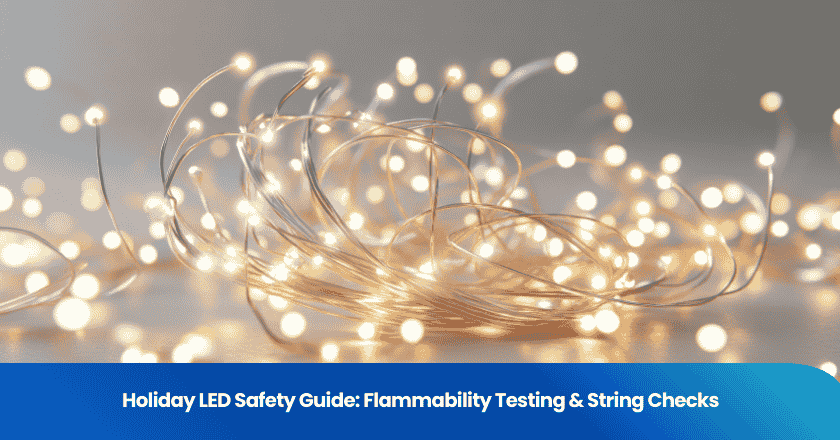
Holiday decorating brings joy, but safety must come first. While LED string decorations brighten homes, they can pose real risks if not properly inspected. Each year, hundreds of home fires are linked to holiday decorations, with electrical issues being a leading cause. Safety checks, including electrical inspections and flammability testing, are essential to protect people and property. Ensuring your LED strings meet strict safety standards is the best way to enjoy a worry-free season.
Key Takeaways
- Always check for safety certifications like UL, ETL, or CE on LED lights. Certified products reduce the risk of fire and electrical hazards.
- Perform regular inspections of LED decorations before, during, and after the holiday season to catch damage early.
- Avoid overloading power strips. Use only 80% of the circuit's capacity to prevent overheating.
- Plan installation carefully. Use outdoor-rated extension cords for exterior setups to protect against moisture.
- Follow manufacturer instructions. Ignoring guidelines is a common cause of electrical failures.
Why Safety Checks Matter
Risks of LED Holiday Decorations
Holiday decorations with LED string lights create a festive atmosphere, but they also introduce potential hazards. Inexpensive lights often have faulty wiring, increasing the risk of short circuits. Overloaded power strips are another common issue, leading to overheating. Moisture exposure poses a significant threat to outdoor setups. Without proper weatherproofing, extension cords and inflatables can become dangerous.
| Safety Risk | Description |
|---|---|
| Faulty Wiring | Cheap strands often lack certification, increasing short-circuit risks. |
| Overloaded Circuits | Connecting too many devices can lead to overheating and fires. |
| Moisture Exposure | Outdoor decorations risk electrical shorts without proper protection. |
Fire Hazards and Prevention
Improper use of LED lights can lead to fire hazards. Damaged wires, such as frayed insulation, can spark and ignite nearby materials. Using indoor cords for outdoor displays increases the risk of overheating and failure. To prevent these safety issues, families should inspect all decorations for damage, use only certified products, and ensure outdoor setups are weatherproof.
Tip: Always follow manufacturer instructions and use decorations as intended to minimize safety risks.
Pre-Installation Safety Checklist
Power and Voltage Checks
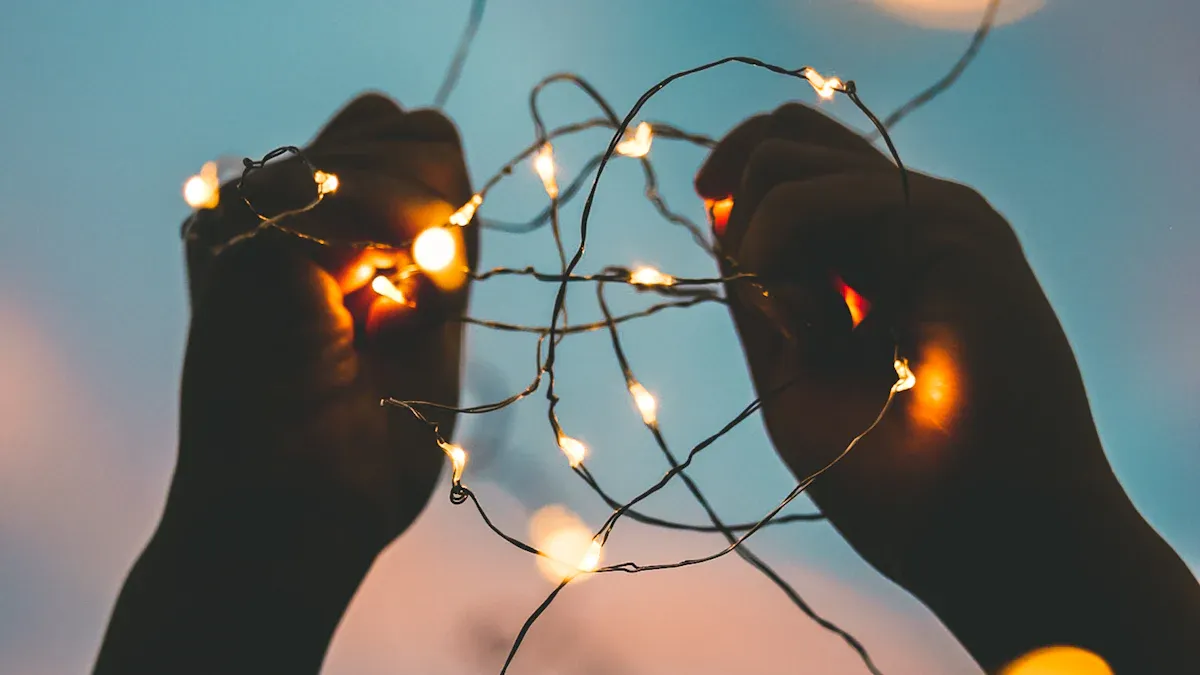
Before plugging in your lights, check power requirements. Every home circuit has a limit. Exceeding this limit causes overheating. A good rule of thumb is to use only 80% of a circuit's capacity. Additionally, ensure voltage compatibility; most home LED strings operate at 120 volts, but some require transformers.
Tip: Never daisy-chain more strands than the manufacturer recommends. This is a primary cause of blown fuses.
Product Quality and Certifications
Product quality is non-negotiable. Certified lights meet strict standards. Look for marks from recognized laboratories like UL (Underwriters Laboratories), CSA, or ETL. These symbols indicate the product has undergone rigorous safety testing. Avoid products lacking these certifications, as they are more likely to fail.
Location Planning for Safety
Proper planning protects both people and property. Consider environmental factors like wind, rain, and snow for outdoor installations.
| Factor | Safety Tip |
|---|---|
| Environment | Keep outdoor connections dry and off the ground. |
| Cords | Use outdoor-rated extension cords; never run them under rugs. |
| Mounting | Secure lights firmly to prevent wind damage; use non-conductive clips. |
Installation Safety Checks
Electrical Connections and Circuit Protection
Safe installation starts with secure connections. Plan your layout to distribute power evenly. Use Ground Fault Circuit Interrupters (GFCIs) for all outdoor outlets to prevent shock. Inspect every strand for frayed wires before hanging them. Weather-resistant covers for plugs add an extra layer of safety against moisture.
Mounting and Securing LED Strings
Use proper fasteners. Non-conductive hooks or clips designed for outdoor use are safer than metal staples, which can pierce wire insulation. For textured surfaces like brick, hot glue can be effective (if applicable). Avoid running cords through windows or doors where they can be pinched and damaged.
Post-Installation Inspection
Regular Lighting Inspection
Safety doesn't end with installation. Perform regular checks throughout the season:
- Inspect for damage after storms or high winds.
- Check for bulbs that have burned out or become loose.
- Ensure cords haven't been chewed by pests.
Heat Management and Overheating
While LEDs run cooler than incandescent bulbs, overheating can still occur, especially with poor quality drivers. Watch for flickering or dimming, which can indicate electrical issues. Ensure power supplies have adequate ventilation and aren't covered by decorations.
Identifying Damage or Malfunction
A thorough visual inspection is crucial. Look for:
| Issue | Warning Sign |
|---|---|
| Wiring | Cracked insulation or exposed copper. |
| Fuses | Lights failing to turn on (check the plug fuse). |
| Sockets | Corrosion or signs of melting plastic. |
Flammability Testing Procedures
Fire Performance Testing
Fire safety is critical for electrical decorations. Inspectors use specific tests to evaluate resistance to ignition. Glow wire testing touches a heated wire to plastic parts to see if they ignite. Needle flame testing applies a small flame to components to simulate a short circuit fault. These tests confirm that materials will self-extinguish and not spread fire.
Testing Decorative Materials
Decorative elements must also meet flammability standards like NFPA 701 or UL 588. Tests involve exposing materials to flames to measure burn rate and spread. This ensures that if an electrical fault occurs, the surrounding decorations won't become fuel for a larger fire.
| Standard | Description |
|---|---|
| UL 588 | Standard for seasonal and decorative lighting safety. |
| NFPA 701 | Flammability standard for textiles and films. |
| CPSC | Consumer product safety requirements for flammability. |
Compliance and Certification
UL, CE, ETL, and RoHS Standards
Compliance with international standards is the hallmark of a safe product. Lighting safety standards ensure products have passed rigorous testing.
- UL (Underwriters Laboratories): The gold standard for US safety. Look for the holographic UL label on cords.
- CE: Indicates conformity with European health, safety, and environmental protection standards.
- RoHS: Restricts hazardous substances like lead in electrical equipment.
Ensuring holiday safety requires vigilance. From choosing certified products to performing regular inspections, every step counts. By following these guidelines and understanding flammability testing standards, you can enjoy a festive and safe holiday season.
FAQ
What safety certifications should families look for on LED string lights?
Look for UL, ETL, or CE marks on the packaging and the product tag. These indicate the product has passed strict safety tests for fire and electrical hazards.
How often should people inspect holiday LED decorations?
Inspect them before installation, check them weekly while in use, and inspect them again before storing them away. This routine helps catch wear and tear early.
Can LED string lights be used outdoors?
Only if they are specifically labeled for outdoor use. Outdoor lights have weatherproofing and more durable insulation to withstand the elements.
What is glow wire testing?
It is a flammability test where a heated wire touches the product's plastic components to ensure they do not ignite or that they self-extinguish quickly, preventing fire spread.
Related Articles

Grow your business with TradeAider Service
Click the button below to directly enter the TradeAider Service System. The simple steps from booking and payment to receiving reports are easy to operate.

