
- About Us

- Our Services
- Your Industry
- Resources
- News & Blog
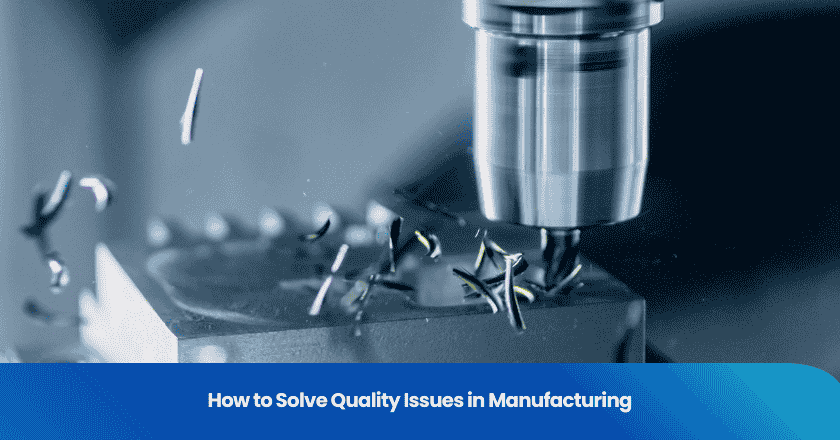
You can learn how to solve quality issues in manufacturing by taking systematic steps. Start by identifying issues and locating their root causes through information from your operators. Take prompt corrective actions to address problems and prevent recurrence. Standardize processes and visualize workflows to maintain consistency and clarity. Collaborate with suppliers when material-related quality concerns arise, and test each solution to verify improvement. Involve your operators and use digital tools to monitor and improve product quality. Regular evaluation ensures you stay proactive and keep quality at the center of your manufacturing operations.
1. Identify issues and root causes
2. Take corrective actions
3. Standardize processes
4. Visualize workflows
5. Collaborate with suppliers
6. Test and verify solutions
7. Monitor and improve quality
Key Takeaways
- Identify quality issues early to prevent small problems from escalating into major disruptions.
- Standardize manufacturing processes to reduce variability and ensure consistent product quality.
- Involve operators in quality checks, as their hands-on experience is crucial for spotting defects.
- Utilize real-time monitoring and data analysis to detect and address quality issues promptly.
- Embrace a culture of continuous improvement by regularly training employees and adapting processes.
Understanding Quality Issues
What Are Quality Issues?
You encounter quality issues when products or processes fail to meet established standards. These issues can appear at any stage of production and often disrupt your workflow. Quality issues may involve defects, inconsistencies, or deviations from specifications. You might notice them as visible flaws, performance failures, or even as subtle process variations that lead to bigger problems over time.
Here are some of the most frequent types of quality issues you may face in manufacturing:
| Quality Issue Type | Cause Description | Solution Description |
|---|---|---|
| Human Error | Mistakes during assembly or testing due to fatigue or lack of training. | Proper training and establishing a culture of quality can minimize errors. |
| Inadequate Equipment Maintenance | Machines not maintained may produce defective parts. | Implementing a preventive maintenance program is crucial. |
| Material Defects or Variability | Poor quality or inconsistent raw materials can lead to defects. | Strong supplier relationships and strict inspection protocols can help. |
| Poor Process Control | Lack of control in production processes can lead to variations. | Implementing quality management systems like SPC can help monitor processes. |
| Lack of Communication | Miscommunication can lead to manufacturing mistakes. | Clear communication and centralized reporting can bridge gaps between departments. |
| Changes in Product Design | Uncommunicated design changes can create confusion. | Version control and formal change processes are critical to prevent errors. |
| Insufficient Inspection and Testing | Inadequate testing can result in defects going unnoticed. | Strengthening the QC process with more frequent inspections is essential. |
You need to recognize these issues early. When you do, you can take action before they affect your final product.
Why Quality Matters
Quality plays a central role in your manufacturing success. When you address quality issues quickly, you avoid costly mistakes and protect your reputation. Consistent quality builds trust with your customers and keeps them loyal to your products.
Tip: Proactive quality management not only prevents defects but also reduces costs associated with returns and warranty claims.
Quality issues can increase both internal and external failure costs. Internal failure costs arise when you fix defects before products reach your customers. External failure costs occur when defects slip through, leading to returns, warranty claims, and dissatisfied customers. These issues can damage your brand reputation and erode customer trust.
You should also consider the impact of contamination, especially in sensitive industries. Even a small lapse in quality can lead to safety hazards and significant financial losses. By focusing on quality at every stage, you ensure your products meet expectations and maintain your competitive edge.
How to Solve Quality Issues in Manufacturing
Identify and Prioritize Issues
You need to start by identifying quality issues as soon as they appear in your manufacturing process. Early detection prevents small problems from growing into major disruptions. Use a systematic approach to capture and prioritize these issues. Begin by setting clear quality standards for every stage of production. Consistent testing procedures help you spot deviations quickly. Statistical process control allows you to monitor your manufacturing process and catch variations before they become defects.
To prioritize which quality issues to address first, use methods like Pareto analysis. This approach helps you focus on the small number of causes that lead to most problems. Failure Mode and Effect Analysis (FMEA) also helps you evaluate potential risks and prevent defects before they occur. By combining these methods, you ensure that your resources target the most critical issues.
| Method | Description |
|---|---|
| Establish Clear Quality Standards | Setting measurable standards to ensure quality measurement and reduce rework. |
| Implement Consistent Testing Procedures | Ensuring uniformity and reliability in products through standardized testing. |
| Root Cause Analysis | Identifying underlying issues to prevent recurring defects. |
| Statistical Process Control | Monitoring processes through statistical methods to catch deviations early. |
| Failure Mode and Effect Analysis (FMEA) | Analyzing potential failure modes to prioritize and prevent defects. |
| Continuous Improvement | Techniques like Six Sigma to incrementally improve quality and efficiency. |
Tip: Regularly review your quality processes and train your team to recognize issues early. This proactive approach keeps your manufacturing process stable and efficient.
Root Cause Analysis
Once you identify quality issues, you must dig deeper to find their root cause. Addressing only the symptoms leads to recurring problems. Use proven frameworks like the 5 Whys technique, which asks "why" repeatedly until you reach the underlying reason for the defect. The Fishbone diagram, or Ishikawa diagram, helps you visualize all possible causes, including factors related to people, machines, methods, materials, measurements, and the environment.
The 6M model organizes potential causes into six categories: Man, Machine, Method, Material, Measurement, and Mother Nature. This structure helps you systematically investigate every aspect of your manufacturing process. Tools like FMEA and DMAIC (Define, Measure, Analyze, Improve, Control) further support your efforts to eliminate the root cause of quality issues.
- Five Why Method
- Ishikawa Diagram (Fishbone)
- Fault Tree Analysis (FTA)
- FMEA (Failure Mode and Effects Analysis)
- DMAIC (Define, Measure, Analyze, Improve, Control)
By focusing on root cause analysis, you prevent defects from recurring. This approach improves manufacturing quality, reduces costly rework, and ensures consistent results. Manufacturers who use root cause analysis often see long-term improvements in productivity and cost savings.
Standardize Processes
Standardizing your manufacturing process is essential for reducing quality issues. When you create clear, repeatable procedures, you minimize variability and make it easier for everyone to follow best practices. Standardization leads to improved efficiency, consistent product quality, and fewer errors. It also helps new employees learn the process quickly and safely.
1. Improved Efficiency: Standardization reduces variability and speeds up production time.
2. Consistent Product Quality: Uniform processes lead to fewer defects and higher customer satisfaction.
3. Waste Reduction and Cost Efficiency: Identifying inefficiencies lowers operational costs.
4. Enhanced Safety and Compliance: Clear procedures improve safety and regulatory compliance.
5. Flexibility and Continuous Improvement: Standardization makes it easier to spot areas for improvement.
Review your quality processes regularly and update them as needed. Involve your team in developing and refining these standards. This ensures everyone understands their role in maintaining manufacturing quality.
Visualize Workflows
Visualizing your manufacturing process helps you detect and prevent quality issues before they impact production. Use real-time data collection and analysis to monitor operations. Sensors and IoT-enabled machines provide continuous updates, allowing you to identify bottlenecks and address them quickly.
Implement visual management tools, such as control charts and dashboards, to make your workflows transparent. These tools help you and your team see where issues arise and take immediate action. Collect and record data from machinery, use control charts to analyze trends, and make informed decisions based on this information.
- Real-Time Data Collection and Analysis
- Quality Monitoring and Control
- Using Visual Management Tools
Note: Corrective and Preventive Action (CAPA) systems support your efforts by investigating errors, assessing risks, and ensuring compliance with quality standards.
Involve Operators
Operators play a critical role in maintaining manufacturing quality. They conduct quality checks at key points in the manufacturing process, inspect raw materials, monitor production, and perform final inspections. Their hands-on experience allows them to spot quality issues that automated systems might miss.
| Responsibility | Description |
|---|---|
| Conducting Quality Checks | Operators perform checks at critical stages to ensure products meet quality standards. |
| Raw Material Inspection | They inspect materials for compliance before production begins to prevent defects. |
| Intermediate Quality Checks | Operators monitor production processes to ensure consistency and accuracy. |
| Final-Stage Quality Inspections | They conduct thorough inspections of finished products to verify safety and quality standards. |
| Documentation | Operators document inspection results for audits and continuous improvement efforts. |
| Troubleshooting | They diagnose and resolve unexpected production issues to maintain quality and reduce downtime. |
You should invest in training programs that equip operators with the skills to detect quality issues early. Preventive maintenance schedules, statistical process control, and clear quality standards all support this goal. Well-trained operators improve productivity, maintain product consistency, and contribute to a culture of continuous improvement.
Tip: Encourage operators to share feedback and participate in refining quality processes. Their insights often lead to practical solutions and better outcomes for your manufacturing process.
Improving Production Quality
Immediate Actions for Common Problems
You can address production quality issues quickly by following a structured approach. When you notice a defect, act immediately to prevent further impact on your manufacturing process. Start by creating and submitting a request to document the problem. Review the request and build a team to investigate. Identify corrective actions and record your findings. Determine the root cause and implement your action plan. Review and verify the effectiveness of your solution.
Here are practical steps you can take to improve manufacturing quality:
1. Create and submit a request for any defect or product defects.
2. Review the request and assign responsibilities.
3. Build a team to investigate the issue.
4. Identify immediate corrective actions for defect detection.
5. Record findings and determine the root cause.
6. Develop and execute your action plan.
7. Review and verify effectiveness.
You can also use workstation-level quality control and inspection-based quality control to catch defects early. Quick fixes include training employees, improving product documentation, and using technology for measurement and inspection. For example, 3D scanners help with defect detection at different stages. Adding quality control checkpoints in your production line allows you to trace and resolve product defects efficiently. Dynamic, data-driven maintenance schedules reduce downtime and improve production quality.
Tip: Hold daily huddles to discuss emerging quality issues and assign corrective actions. Collaboration helps you resolve problems before they affect product quality.
Prevent Recurrence
To prevent defects from recurring, you need to focus on systematic solutions. CAPA (Corrective and Preventive Action) helps you correct known issues and avoid future problems. Lean Six Sigma encourages you to solve root problems and use the DMAIC cycle to improve processes. These methods foster a culture of quality and continuous improvement.
Set clear, measurable quality objectives that align with your manufacturing goals. Quality control plans reduce variation and ensure consistency in production quality. Regularly adhere to defined standards to meet or exceed customer expectations. Prioritize proactive measures and emphasize quality assurance to minimize product defects.
| Strategy | Benefit |
|---|---|
| CAPA | Corrects and prevents defects |
| Lean Six Sigma | Reduces variation and improves processes |
| Quality Control Plans | Ensures consistency in production quality |
| Proactive Measures | Fosters a culture of quality |
| Quality Assurance | Minimizes product defects |
Improving production quality requires you to eliminate waste, streamline operations, and focus on value-adding activities. When you set clear goals and maintain high standards, you strengthen your foundation for long-term success in manufacturing.
Digital Tools for Quality Control
Real-Time Monitoring
You can transform your approach to quality control by using real-time monitoring systems. These digital solutions track production data instantly, allowing you to detect defects as soon as they occur. Sensors and automated feedback mechanisms enable you to halt processes and correct errors before they impact product quality. Closed-loop systems and deep learning models further enhance your ability to identify and resolve issues quickly.
| Evidence Description | Impact on Manufacturing Defects |
| Real-time monitoring and defect detection systems | Minimized material wastage and improved part quality |
| Feedback mechanisms for immediate corrections | Enabled on-site monitoring and correction of defects |
| Closed-loop systems for real-time warp detection | Halted printing process upon warp identification |
| Deep Learning approaches for defect detection | Facilitated rapid correction of various errors |
You gain immediate visibility into your operations. This visibility helps you maintain high standards in quality control and reduces the risk of defective products reaching customers.
Tip: Real-time monitoring allows you to respond instantly to quality issues, minimizing downtime and material waste.
Data Analysis
Data analysis strengthens your quality control strategy. You can use analytics to understand trends, investigate causes, and predict future problems. Descriptive analytics help you spot patterns in historical data, while diagnostic analytics support root cause analysis. Predictive analytics forecast potential issues, enabling you to schedule maintenance before breakdowns occur. Prescriptive analytics recommend actions, helping you make faster and more accurate decisions.
| Analytics Type | Description | Use Case |
|---|---|---|
| Descriptive Analytics | Analyzes historical data to identify trends. | Helps identify trends and patterns, such as which machines consistently underperform. |
| Diagnostic Analytics | Investigates causes of defects. | Supports root cause analysis and helps prioritize corrective actions based on data. |
| Predictive Analytics | Forecasts future issues based on current data. | Enables proactive decision-making, like scheduling maintenance before a breakdown. |
| Prescriptive Analytics | Recommends actions based on data analysis. | Helps make complex decisions faster and more accurately, balancing multiple constraints. |
You can integrate digital tools into daily operations for better quality control. Advanced solutions enhance precision, while AI-driven checks help you maintain consistent product quality. Data analytics refine your processes and provide insights for improvement. Digital manufacturing supports continuous refinement and waste reduction. Interconnected systems enable seamless sharing of high-quality data across supply chains, improving collaboration and product quality.
- Advanced digital tools enhance precision in quality control.
- Real-time monitoring allows for immediate responses to quality issues.
- AI-driven quality checks help identify defects, maintaining high standards.
- Consistent product quality leads to increased customer satisfaction and brand loyalty.
- Detailed data analytics refine quality control processes.
- Provides insights into areas for improvement.
- Helps manufacturers proactively address potential issues.
- Digital manufacturing facilitates continuous refinement and waste reduction.
- Interconnected systems enable seamless sharing of high-quality data across supply chains.
- Better collaboration results in improved product quality.
Note: You should regularly evaluate your digital tools to ensure they support your quality control goals and adapt them as your manufacturing needs evolve.
Sustaining Quality Improvement
Continuous Improvement
You need to make continuous improvement a core part of your manufacturing culture. This approach helps you maintain high standards and adapt to changing demands. You can choose from several proven methodologies to drive ongoing quality improvement. Each method offers unique benefits for your quality management system.
| Methodology | Description |
|---|---|
| Lean Manufacturing | Focuses on reducing waste and improving efficiency while enhancing customer satisfaction. |
| Six Sigma | Aims to reduce process variation and eliminate defects to ensure consistent quality. |
| Kaizen | Emphasizes continuous improvement through small, incremental changes involving all employees. |
| Total Quality Management | A holistic approach to improving quality across all aspects of the organization. |
You should measure the success of your improvement efforts using clear metrics. These metrics help you track progress and identify areas for further action.
| Category | Key Metrics |
|---|---|
| Cost Savings & Financial Impact | Cost reduction per process improvement, ROI of initiatives |
| Efficiency & Productivity Gains | Process cycle time reduction, employee productivity |
| Quality & Error Reduction | First-pass yield, defect reduction rate, process compliance rates |
| Compliance & Process Stability | Compliance rates, process stability metrics, audit results |
Review these metrics regularly. Adjust your quality management system as needed to keep your improvement efforts on track.
Tip: Small, steady changes often lead to the most lasting quality improvement. Encourage your team to suggest ideas and test new solutions.
Training and Engagement
You play a vital role in sustaining quality improvement by investing in employee training and engagement. Well-trained employees support your quality assurance goals and help you maintain a strong quality management system. Track course completion and learner progress to ensure your team understands key concepts. Analyze quiz results to find knowledge gaps and tailor future training.
| Evidence Type | Description |
|---|---|
| Course Completion | Tracks how many learners have completed specific courses, indicating engagement and effectiveness. |
| Learner Progress | Monitors individual progress, including quiz scores and session times to identify knowledge gaps. |
| Quiz Results | Analyzes performance on assessments to evaluate training effectiveness and areas needing improvement. |
Engaged employees drive quality improvement. They focus on their tasks, follow safety protocols, and contribute innovative ideas. You build a stronger workplace culture when you involve everyone in quality assurance activities.
- Lower absenteeism due to increased motivation.
- Higher quality output from a culture of continuous improvement.
- Improved customer satisfaction as engaged employees provide better service.
You should measure the impact of training and engagement on your quality improvement programs. Adapt your approach as your team and processes evolve. This commitment ensures your quality management system remains effective and supports long-term success.
You can solve quality issues in manufacturing by following a systematic approach. Combine practical methods with digital tools for lasting improvements. Regular audits, customer feedback, and employee engagement drive continuous progress.
| Takeaway | Description |
|---|---|
| Optimize workflows | Eliminate bottlenecks and enhance productivity |
| Real-time data usage | Identify and address issues accurately |
| Quality audits | Ensure compliance and highlight improvement areas |
Ongoing evaluation, training, and adaptation help you maintain high standards. Start implementing these strategies to achieve better results and long-term success.
FAQ
What is the first step to solving quality issues in manufacturing?
You should start by identifying and documenting every quality issue. Use checklists or digital forms to record defects. Early detection helps you prevent small problems from becoming major disruptions.
How can you train operators to spot quality problems?
Provide regular training sessions focused on defect recognition. Use visual aids and hands-on practice. Encourage operators to report issues immediately and share feedback during team meetings.
Which digital tools help monitor quality in real time?
| Tool Type | Function |
|---|---|
| Sensors | Track process variables |
| Dashboards | Display live data |
| AI Inspection | Detect defects instantly |
You can integrate these tools for instant feedback and better control.
How do you prevent recurring defects?
You need to implement Corrective and Preventive Action (CAPA) plans. Review root causes, update procedures, and monitor results. Continuous improvement methods like Lean Six Sigma help you maintain high standards.
Why is standardizing processes important for quality?
Standardization reduces variability and errors. You create clear instructions for every task. Operators follow the same steps, which leads to consistent product quality and easier training for new employees.
Related Articles



Grow your business with TradeAider Service
Click the button below to directly enter the TradeAider Service System. The simple steps from booking and payment to receiving reports are easy to operate.

