
- 会社概要

- 当社のサービス
- あなたの業界
- リソース
- ニュース&ブログ
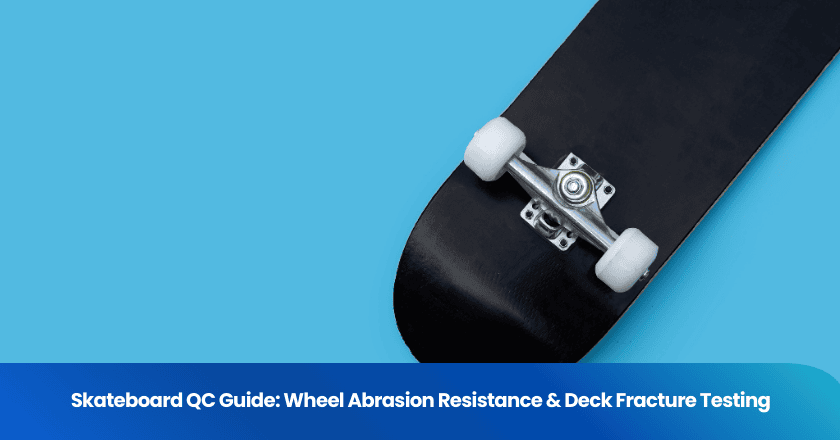
Quality control for skateboards involves rigorous testing to ensure rider safety and product longevity. Two critical assessments are wheel abrasion resistance, which measures how well wheels withstand friction and wear, and deck fracture pressure testing, which verifies that the board can support heavy impacts and weight without breaking. These tests are essential for Hardline Products in the sports and outdoor category, helping manufacturers improve safety, durability, and the overall user experience.

Reliable testing ensures riders enjoy consistent performance and minimizes risk during tricks or daily rides.
Key Takeaways
- Wheel abrasion resistance is crucial for durability. Choose wheels with high resistance for better performance on rough surfaces.
- Deck fracture pressure testing ensures safety. Select decks that can withstand heavy impacts and support rider weight.
- Maple and bamboo are superior materials for decks, providing the right balance of flexibility and strength.
- Regular maintenance, such as cleaning wheels and inspecting decks for cracks, extends the life of your equipment.
- Always prioritize safety by wearing a helmet and pads while skating.
Wheel Abrasion Resistance in Skateboard Wheels
What Is Wheel Abrasion Resistance?
Wheel abrasion resistance describes a wheel's ability to withstand friction and wear from riding on concrete, asphalt, or skate park ramps. This property directly impacts the lifespan of the wheel and its performance during tricks. Manufacturers conduct standardized tests to measure material loss after repeated contact with abrasive surfaces. Riders rely on high-resistance wheels for consistent grip and control.
Urethane & Polyurethane Materials
Skateboard wheels are predominantly made from urethane and polyurethane due to their exceptional resilience. Hot-pour urethane is particularly favored for its superior tear resistance and rebound compared to room-temperature processed alternatives. Most standard wheels feature an 80A hardness, balancing grip and durability. Advanced composites, including fiber-reinforced formulas, are also being developed to further extend wheel life.
- Hot-pour urethane: Offers higher abrasion resistance and better performance.
- Advanced composites: Provide enhanced traction and controlled sliding capabilities.
- Custom blends: Allow brands to tailor wheels for specific terrains and styles.
Surface Performance Testing Methods
Quality assurance teams utilize various laboratory tests to simulate real-world wear. Common methods include:
| Test Method | Description |
|---|---|
| ASTM D3389 | Rotary Platform Abrader for coated fabrics. |
| ASTM D5963 | Rotary Drum Abrader for rubber properties. |
| ASTM D1044 | Taber Abraser for transparent plastics. |
| BS ISO 4649 | Rotating cylindrical drum device for rubber materials. |
These tests measure weight loss in grams before and after abrasion cycles, helping manufacturers identify the most durable formulations.
Industry Standards & Custom Requirements
International standards like ISO and ASTM define the protocols for measuring abrasion resistance. The Taber abrasion test is widely used, involving spinning an abrasive wheel against the test material. Brands often impose stricter custom requirements to differentiate their high-performance products, ensuring wheels meet specific durability goals for professional use.
Deck Fracture Pressure & Mechanical Strength

Flexural & Compressive Strength
Skateboard decks endure significant bending and crushing forces. Flexural strength tests measure how much a deck can bend before snapping, while compressive strength assesses resistance to crushing. Maple decks are the industry standard for their reliable strength, but bamboo composites offer higher tensile strength for added durability.
| Material | Flexural Yield Strength (MPa) | Compressive Yield Strength (MPa) |
|---|---|---|
| Canadian Hard Rock Maple | 34.5 | 12.5 (Perpendicular) / 54 (Parallel) |
| North American Maple | 65.5 | - |
| Bamboo Composite | - | - |
Impact & Fatigue Testing
Decks face repeated stress from jumps and tricks. Impact testing involves dropping heavy weights on the deck to simulate landing forces. Fatigue testing measures longevity under continuous use. Quality assurance protocols often include:
- Drop tests from significant heights.
- Applying heavy static loads to measure deflection.
- Striking the deck against hard surfaces to check for delamination.
Functional Verification & Inspection
Inspectors perform functional verification to confirm safety standards are met. This includes checking structural integrity for cracks, warping, or adhesive failures. Innovations like fiber-reinforced concrete composites are also being explored to increase impact resistance in deck construction.
Tip: Regular inspection is vital. Replace any deck showing signs of cracking or deep chips to prevent sudden failure.
Choosing & Maintaining Skateboard Wheels and Decks
Selecting Based on Test Ratings
Understanding hardness ratings (Durometer) helps riders choose the right wheels for their style. The table below outlines common uses:
| Hardness Rating | Best Use Case |
|---|---|
| 90A - 97A | Cruising, rough surfaces, commuting. |
| 97A - 99A | Street skating, skateparks, mini ramps. |
| 99A + | Technical tricks, smooth concrete. |
Maintenance Tips for Longevity
Proper care extends the life of your equipment:
- Regularly clean bearings and wheels to remove dirt.
- Rotate wheels to prevent flat spots and ensure even wear.
- Avoid water and moisture, which can warp wood decks and rust bearings.
- Inspect decks for stress cracks, especially around truck mounting holes.
Safety Considerations
Safety is paramount. Riders should always wear a helmet meeting CPSC or ASTM standards, along with knee and elbow pads. Inspecting equipment before every ride for loose hardware or damage is a simple habit that prevents accidents.
Wheel abrasion resistance and deck fracture pressure testing are fundamental to the quality of Hardline Products like skateboards. By understanding these metrics, riders can select safer, more durable gear. Whether choosing maple for its proven strength or bamboo for flexibility, prioritizing tested quality ensures a better and safer riding experience.
FAQ
What makes urethane the preferred material for skateboard wheels?
Urethane offers excellent abrasion resistance and resilience. Manufacturers choose it because it maintains its shape under stress and provides a reliable grip on various surfaces.
How does urethane affect wheel performance?
It adapts to both rough and smooth surfaces, delivering consistent traction. Its flexibility allows for shock absorption, leading to a smoother ride and better control.
Why do manufacturers use hot-pour urethane?
Hot-pour processing creates wheels with superior tear resistance and higher rebound compared to other methods, significantly improving longevity and performance.
How should riders maintain their wheels?
Clean them regularly to remove debris, rotate them to ensure even wear, and avoid riding on extremely rough terrain to prevent chunking.
関連記事


TradeAiderサービスでビジネスを成長させる
下のボタンをクリックして、TradeAiderサービスシステムに直接入ります。予約から支払い、報告書の受け取りまでの簡単な手順は操作が簡単です。

