
- 会社概要

- 当社のサービス
- あなたの業界
- リソース
- ニュース&ブログ
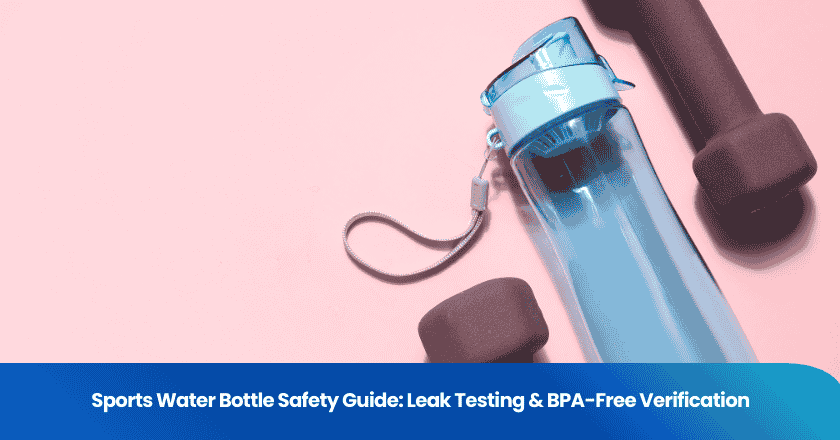
Testing for leaks and confirming BPA-free safety in sports water bottles protects children and active users from potential hazards. Families can use simple methods like shake tests at home, while manufacturers adhere to strict certifications. Recent historical data highlights the importance of vigilance: massive recalls involving millions of units have occurred due to detachable spouts posing choking risks. By following practical testing steps, anyone can make informed choices and keep their hydration gear safe.
Key Takeaways
- Perform regular visual inspections of your sports water bottle. Check for cracks, gaps, and ensure the cap fits snugly.
- Conduct the "fill, shake, and invert" test at home. This simple method helps confirm if the bottle's seal is effective.
- Look for BPA-free labels and safety certifications (FDA, LFGB) when choosing a water bottle.
- Read user reviews to gauge real-world performance, especially regarding long-term durability.
- Maintain your bottle with regular cleaning to prevent mold buildup and preserve seal integrity.
Leak-Proof Sealing Tests for Sports Bottles
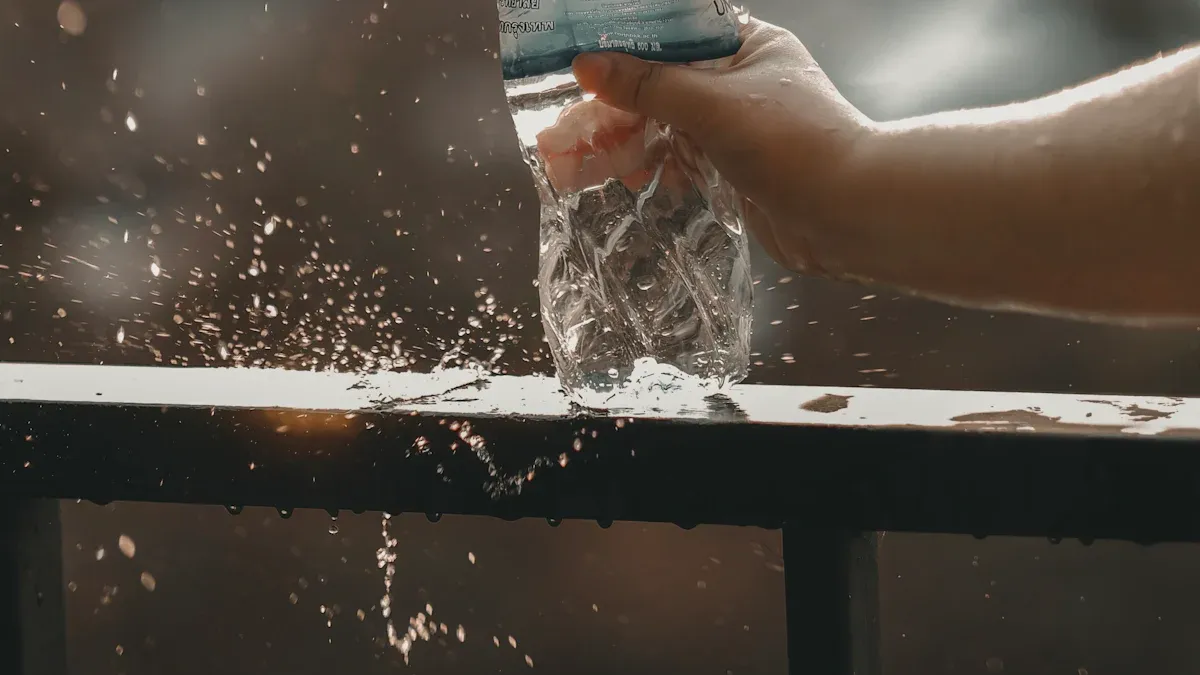
Leak-proof sealing tests combine visual checks, hands-on trials, and professional protocols to ensure liquids stay contained.
Visual Inspection and Cap Check
A visual inspection is the first line of defense. Look for cracks, gaps, or misaligned parts on the lid. A proper seal depends on the condition of the silicone gasket and the threads. Cross-threading, where the lid is screwed on crookedly, is a common cause of leaks.
Tip: Always inspect the gasket before use. If it's missing or cracked, the bottle will leak.
Common causes of leaks include:
- Gasket Issues: Worn or missing silicone rings.
- Cross-Threading: Damaging threads by forcing the lid.
- Overfilling: Filling past the indicated line causing seepage.
- Thermal Expansion: Extreme temperature changes affecting fit.
Fill, Shake, and Invert Test
This simple at-home test simulates real-life use:
- Fill the bottle with water to the recommended line.
- Close the lid tightly.
- Shake the bottle vigorously for 10 seconds.
- Turn it upside down and hold for 30 seconds.
If water drips from the cap or spout, the seal is compromised.
Pressure and Tightness Testing
Professional quality control involves pressure testing. Labs use vacuum chambers (ASTM D4991) to check for air leaks and apply physical force to ensure lids don't pop off under stress (ASTM D5094). Manufacturers also drop-test bottles to ensure the seal holds even after impact.
Food Contact Material Safety and BPA-Free Verification
FDA Certification and Restricted Substance Testing
Manufacturers must adhere to regulations like the FDA's guidelines for food contact substances. Testing confirms that plastics and linings do not leach harmful chemicals like Bisphenol A (BPA) or heavy metals (lead, cadmium) into the water. This is crucial for consumer safety.
BPA-Free Claims and Heavy Metal Checks
Validating "BPA-Free" claims requires lab testing. Consumers can look for:
| Method | Description |
|---|---|
| Resin Codes | Check recycling numbers (e.g., #7 often requires BPA verification). |
| Certifications | Look for FDA or LFGB (EU standard) logos. |
| Material Type | Stainless steel and glass are naturally BPA-free. |
Odor Testing for Drinkware
A safe bottle should be odorless. Strong chemical smells often indicate low-quality materials or incomplete curing processes during manufacturing. If a new bottle retains a plastic smell after washing, it may not be suitable for use.
Interpreting Labels and Reviews for Kids Sport Water Bottles
Reading Certifications and Product Labels
Labels vary in reliability. A simple "BPA Free" sticker is less trustworthy than a certified seal from a regulatory body.
| Label Type | Reliability | Meaning |
|---|---|---|
| No Label | Low | Likely untested. Avoid. |
| Self-Declared | Medium | Manufacturer claims safety but lacks third-party proof. |
| Certified | High | Independently tested (e.g., FDA, NSF, SGS). |
User Feedback and Real-World Performance
User reviews often reveal design flaws that lab tests miss, such as durability over months of school use. Look for patterns in reviews regarding mold in straws, cracking lids, or leaks developing after dishwasher cycles.
Choosing Leak-Proof Bottles for Kids and Active Use
What to Look For
For active use, durability and ease of cleaning are paramount.
- Glass: Safest material but heavy and breakable. Use with silicone sleeves.
- Stainless Steel: Durable and safe, but can dent. Avoid acidic drinks in unlined metal.
- Tritan Plastic: Shatterproof and BPA-free, ideal for kids.
Maintenance and Care Tips
Proper care extends the life of the bottle and its seals:
- Hand wash painted or insulated bottles to protect the finish.
- Disassemble lids and straws completely to prevent mold.
- Avoid using harsh bleach; vinegar and baking soda are safer for cleaning.
Choosing the right bottle involves balancing convenience with safety. Check the lid type to match your activity:
| Lid Type | Best For | Pros |
|---|---|---|
| Screw Cap | Hiking/Travel | Maximum leak security. |
| Flip Spout | Gym/Sports | Quick one-handed access. |
| Straw Lid | Driving/Desk | Easy sipping without tilting. |
Always prioritize bottles made from non-toxic materials and verified by third-party testing to ensure health and safety.
FAQ
How can I test if a bottle is leak-proof?
Perform the "shake and invert" test: fill it, seal it, shake it, and hold it upside down. Any dripping indicates a faulty seal.
What does "BPA Free" mean?
It means the product is made without Bisphenol A, a chemical linked to health issues. However, look for "BPS Free" as well for complete safety.
How often should I wash my water bottle?
Wash daily with warm soapy water. Perform a deep clean (soaking parts in vinegar/water) weekly to kill bacteria and mold.
Why do certifications matter?
Certifications like FDA or LFGB indicate the product has been independently tested and meets strict legal safety standards for food contact materials.
関連記事
TradeAiderサービスでビジネスを成長させる
下のボタンをクリックして、TradeAiderサービスシステムに直接入ります。予約から支払い、報告書の受け取りまでの簡単な手順は操作が簡単です。

