
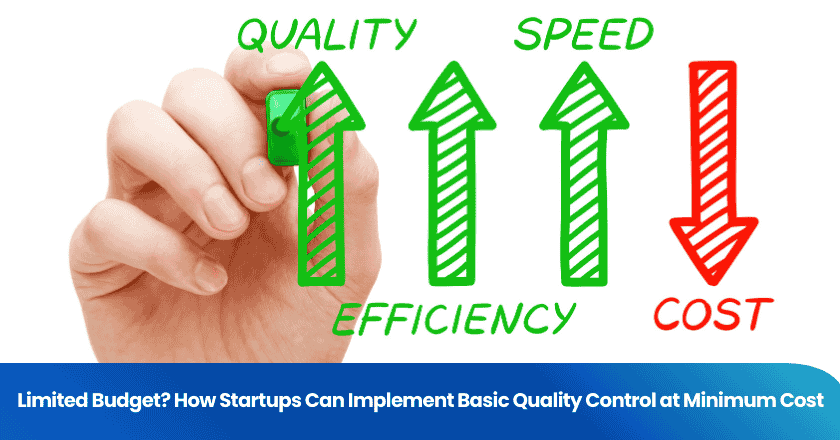
Startups can achieve effective quality control even with a limited budget. By focusing on smart strategies that stretch every dollar, businesses can ensure product reliability without overspending. Cost-effective solutions make a significant difference in brand reputation. When a team prioritizes quality, they build trust and set a strong foundation for future growth.

Key Takeaways
- Startups can achieve quality control on a budget by focusing on essential checkpoints and using cost-effective inspection services.
- Listening to customer feedback is crucial. It helps identify issues early and shows customers that their opinions matter.
- Implementing digital tools can streamline quality control processes, allowing startups to make quick decisions and maintain high standards.
Why Quality Control Matters for Startups

Protecting Brand and Customer Trust
Quality control plays a huge role for any startup, especially when working with a limited budget. People expect products to meet their needs every time. When a startup delivers consistent quality, customers feel confident and come back for more.
| Key Point | Explanation |
|---|---|
| Negative Reputation Impact | A negative reputation can make it hard for a startup to attract investments and keep loyal customers. |
| Importance of Reputation | Reputation for quality matters more than a general reputation. |
| Weight of Negative Info | People pay more attention to bad news than good, especially with new brands. |
Preventing Costly Mistakes Early
Quality control serves as insurance for a business. It helps startups avoid expensive mistakes before they become big problems. Many startups rush into partnerships based on how finished products look, but they forget to check the supplier's process. This oversight can lead to defective products showing up at distribution centers or even in customers' hands.
Low Budget Quality Control Strategies

Minimal Cost Inspection Services
Startups can maximize their tight budget by choosing inspection services that target the most critical stages of production. Some services offer budget-friendly testing options.
- During Production Inspection (DPI): Helps catch defects early, saving time and money by addressing issues before they multiply.
- Container Loading Supervision (CLS): Ensures the right products get shipped, protecting customer satisfaction.
- Factory Audit: A one-time check on supplier reliability, reducing risk for scaling your startup.
AQL Sampling for Tight Budgets
AQL sampling is a cost-effective testing method that allows startups to inspect a small sample instead of every product. This approach fits perfectly for startups with a tight budget.
| Benefit | Description |
|---|---|
| Cost-effective | AQL sampling reduces inspection costs by checking a smaller percentage. |
| Time-saving | The method simplifies the inspection process, allowing faster turnaround. |
| Easy implementation | Requires minimal materials and standard guidelines. |
Leveraging Digital QC Tools
Digital tools help startups maintain quality control and make fast decisions. Real-time dashboards and instant reports allow teams to track performance and spot problems quickly.
Note: Digital QC tools are essential for scaling your startup. They provide cost efficiency and help teams stay agile in a fast-changing market.
Outsourcing vs. In-House QC
Startups must decide whether to outsource quality control or build an in-house team. Outsourcing offers speed, flexibility, and access to global talent, making it ideal for startups with a limited budget.
| Advantages of Outsourcing | Disadvantages of Outsourcing |
|---|---|
| Cost savings (Variable cost) | Less direct oversight |
| Access to global talent | Communication challenges |
| Focus on core business | Dependence on external entities |
Step-by-Step Testing Strategy for Startups
Startups can follow these steps to build a low budget quality control system:
- Define clear quality standards for each product.
- Focus on critical product features and streamline inspection efforts.
- Use standard checklists to save time and resources.
- Involve real users or beta testers for valuable feedback.
- Prioritize critical checkpoints like DPI and Pre-Shipment Inspection.
- Allocate budget wisely for each testing strategy.
- Monitor results using digital dashboards for real-time decision-making.
Tip: Maintaining quality control on a tight budget is possible with a clear strategy. Startups can achieve customer satisfaction and scale successfully by focusing on continuous improvement.
FAQ
How can startups maintain quality control while scaling quickly?
Startups should set clear quality standards, use digital tools, and focus on improvement. Scaling works best when teams follow Quality Control protocols at every stage.
What is the difference between Quality Control and Quality Assurance?
Quality Control checks products against quality standards (finding defects). Quality Assurance builds systems for improvement and scaling (preventing defects). Both help teams deliver consistent results.
Why do quality standards matter for scaling and improvement?
Quality standards guide teams during scaling. They support improvement and control. When everyone follows QC procedures, startups avoid mistakes and keep customers happy.
Related Articles

Grow your business with TradeAider Service
Click the button below to directly enter the TradeAider Service System. The simple steps from booking and payment to receiving reports are easy to operate.

