
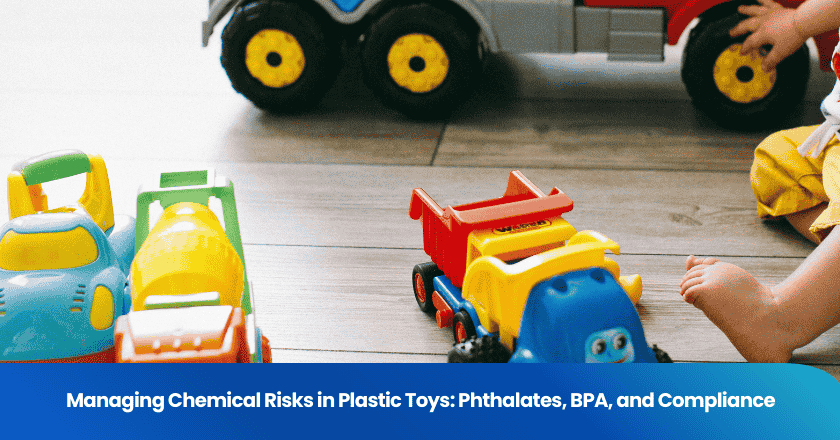
Children are exposed to potential chemical hazards in toys daily. Substances like Phthalates and BPA frequently appear in plastic products, raising significant concerns among parents and regulators globally. Ensuring toy safety depends on rigorous testing, strict adherence to manufacturing standards, and proactive supply chain management. By addressing these chemical risks early, manufacturers can meet compliance requirements, prevent costly recalls, and protect the well-being of families.
Key Takeaways
- Phthalates and BPA in toys can harm children's health. Sourcing materials labeled as 'phthalate-free' or 'BPA-free' is critical.
- Regular testing for toxic chemicals is essential. Manufacturers must partner with accredited labs to ensure safety compliance.
- Stay informed about toy recalls and safety updates through reliable regulatory sources.
- Documentation and traceability are crucial. Keeping detailed records helps manage compliance and mitigates liability.
Chemical Risks in Children's Products
Phthalates and BPA Overview
Phthalates and BPA are two toxic materials often found in children's toys. Manufacturers use phthalates to make plastics flexible, while BPA appears in hard plastics and coatings. These hazardous substances can migrate from toys into a child's body during play. The migration rate varies by chemical:
| Chemical | Migration Rate (ng/(cm² x h)) |
|---|---|
| BPA | 128 |
| DEHP | 25.5 |
| DIBP | 8.27 |
Children's toys may contain up to 165 different compounds, including additives and non-intentionally added substances. Toy safety depends on strict limits for these toxic materials.
Health Risks for Children
Exposure to these chemicals poses serious health risks. They are known to disrupt hormones and may affect neurodevelopment. Studies link phthalates and BPA to developmental issues, and infants are especially vulnerable. BPA exposure has been associated with metabolic disorders. Choosing BPA-free toys and monitoring toy safety is vital.
- Children face risks from everyday activities like mouthing toys.
- Phthalates and BPA can enter the body quickly through saliva contact.
- Long-term studies emphasize the importance of reducing exposure to these toxic materials.
Heavy Metals and Other Chemicals
Beyond plastics, toys sometimes contain heavy metals like lead and cadmium, often found in paints or recycled plastics. These can harm neurological development. Toy safety standards require rigorous testing for these hazardous substances. Parents should check for safety-certified labels to avoid toxic materials.
Toy Safety Standards and Compliance Regulations
CPSIA and EN 71 Requirements
Toy safety standards form the foundation of compliance. The two major frameworks are CPSIA (USA) and EN 71 (EU). CPSIA mandates testing for lead and phthalates at CPSC-accepted labs. EN 71 covers a broader range of mechanical and chemical properties.
| Regulation | Key Requirements |
|---|---|
| CPSIA (USA) | Testing for lead and phthalates; Children's Product Certificate (CPC) required; Compliance with ASTM F963. |
| EN 71 (EU) | Covers chemicals and heavy metals; Specifics on mechanical properties, flammability, and migration of elements. |
Third-party testing laboratories play a vital role in verifying compliance, ensuring unbiased results that build trust with regulators.
Phthalates Regulation in Toys
Phthalates are strictly regulated under international standards. CPSIA and EN 71 generally set a limit of 0.1% by weight for specific phthalates.
| Region | Regulation | Restricted Phthalates | Limit |
|---|---|---|---|
| EU | Toy Safety Directive | DEHP, DBP, BBP, DIBP | 0.1% |
| US | CPSIA | DEHP, DBP, BBP, DINP, DIBP, DPENP, DHEXP, DCHP | 0.1% |
| Canada | Phthalates Regulation | DEHP, DBP, BBP, DINP, DIDP, DNOP | 0.1% |
Heavy Metal Testing Protocols
ASTM F963 and EN 71 outline strict limits for lead, cadmium, mercury, and chromium. Testing protocols involve advanced equipment to simulate how these metals might migrate out of the toy during use. Third-party labs are essential for verifying these levels.
Managing Compliance to Prevent Recalls
Sourcing Safe Materials
Prevention starts with sourcing. Manufacturers must select suppliers who provide verified phthalate-free and BPA-free materials. Requesting safety data sheets (SDS) and recent compliance certificates for every batch is standard best practice.
| Compliance Method | Description |
|---|---|
| Regulatory review | Check packaging and product against regional laws. |
| Migration testing | Lab analysis of materials for chemical leaching. |
| "Free From" verification | Testing to confirm the absence of restricted chemicals. |
Implementing Product Testing Services
Regular testing identifies risks before products reach the shelves. Accredited laboratories measure levels of restricted substances in various toy components, from paints to base plastics.
| Element | Dry/Brittle Material Limit | Liquid/Sticky Material Limit | Scraped-off Material Limit |
|---|---|---|---|
| Lead | 2.0 mg/kg | 0.5 mg/kg | 23 mg/kg |
| Aluminum | 2250 mg/kg | 560 mg/kg | 28130 mg/kg |
| Chrome VI | 0.02 mg/kg | 0.005 mg/kg | 0.053 mg/kg |
Documentation and Traceability
Effective documentation helps manufacturers track compliance. Companies should maintain records for every batch of materials and map their supply chains. This "batch-to-batch" traceability allows for quick responses if a regulation changes or a defect is found.
- Maintain records of all tests and compliance certificates.
- Map supply chains to identify risks early.
- Ensure visibility to manage supplier switches effectively.
Note: Recalls due to chemical non-compliance cause direct financial losses and long-term brand damage. Prioritizing compliance is an investment, not a cost.
Practical Tips for Ongoing Toy Safety
Reading Labels and Ingredients
Labels provide critical safety information. Look for markings such as "Phthalate-free," "Lead-free," or "BPA-free." Toys made from natural materials like untreated wood or organic cotton can also offer lower chemical risks. Be cautious with older, hand-me-down toys, as they may not meet modern safety standards.
Monitoring Recalls and Updates
Staying informed about recalls is crucial. Regulatory bodies like the CPSC (in the US) and the European Commission's Safety Gate provide databases of unsafe products. Regular monitoring ensures that recalled toys are removed from circulation immediately.
Proactive management of chemical risks in plastic toys is the only way to safeguard children's health. By strictly adhering to CPSIA, EN 71, and other global standards, manufacturers can significantly reduce the incidence of recalls. For example, strict enforcement has led to a measurable decline in lead-related recalls over the past decade.
| Year | Total Toy Recalls | Recalls Involving Lead |
|---|---|---|
| 2008 | 172 | 19 |
| 2016 | 24 | 1 |
Regular testing and rigorous documentation are the pillars of a safe supply chain. Companies must remain vigilant, adapt to new rules, and prioritize transparency to ensure that every toy reaching a child's hands is safe.
FAQ
What are phthalates and why do they matter in plastic toys?
Phthalates are chemical plasticizers used to make plastics flexible. They are restricted because they can leach out of toys and have been linked to hormonal disruptions and developmental issues in children.
How can parents identify safe plastic toys?
Look for explicit labels like "Phthalate-free," "BPA-free," or "PVC-free." Checking for safety certifications (like the CE mark or ASTM compliance) is also recommended.
What testing ensures toy safety for chemicals?
Manufacturers use third-party accredited laboratories to conduct chemical analysis (detecting toxic content) and migration testing (measuring how much chemical leaches out).
Why do recalls happen for plastic toys?
Recalls occur when toys fail to meet safety standards, such as containing lead paint or excessive levels of restricted phthalates. Companies must remove these products to comply with the law and protect public safety.
Related Articles
Grow your business with TradeAider Service
Click the button below to directly enter the TradeAider Service System. The simple steps from booking and payment to receiving reports are easy to operate.

