
- About Us

- Our Services
- Your Industry
- Resources
- News & Blog
Businesses can secure supplier reliability before Q4 by shifting from reactive checks to proactive quality management. Supplier delays or quality failures during peak season often cause massive setbacks. Missing out on peak season revenue due to supply chain disruptions can severely impact growth. Proactive planning, continuous monitoring, and financial enforcement help companies set clear expectations and minimize risk.
Key Takeaways
- Proactive Management: Shift to proactive quality management to secure reliability before the Q4 rush.
- Early Audits: Conduct thorough supplier evaluations and audits now to identify potential bottlenecks.
- Contractual Standards: Integrate clear AQL standards and penalty clauses into contracts to enforce accountability.
- Real-Time Monitoring: Use digital tools for real-time production tracking to catch issues immediately.
1. Evaluate and Audit Suppliers Early

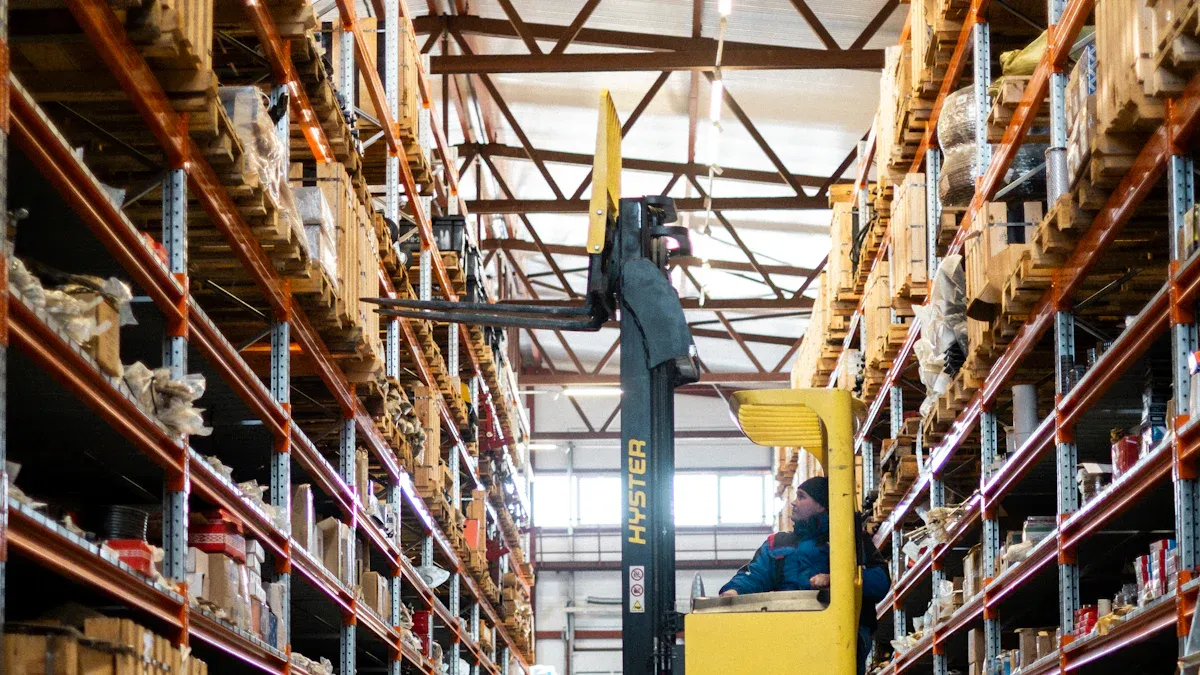
A strong supplier evaluation process forms the backbone of Q4 readiness. Don't wait until orders are placed to verify if a factory can deliver. Use a scorecard system to evaluate partners based on capacity, quality history, and financial stability.
Factory Audit Levels
Inspection levels should match the risk profile of the supplier. For new or inconsistent suppliers, higher scrutiny is required.
| Inspection Type | Purpose |
|---|---|
| Initial Production Check (IPC) | Confirms adherence to specifications before mass manufacturing begins. |
| During Production (DUPRO) | Evaluates consistency and identifies defects while there is still time to fix them. |
| Final Product Inspection (PSI) | The final gatekeeper. Approves shipments based on AQL standards. |
| Container Loading | Ensures goods are securely packed to prevent transit damage. |
Enforceable Quality Contracts
Contracts must go beyond pricing. They need to transform quality expectations into enforceable obligations. Use internationally recognized AQL standards (ISO 2859-1) to define pass/fail limits.
Key Contract Components:
- Quality Standards: Specific defect tolerances and AQL levels.
- Non-Conformance Penalties: Clear consequences for failed inspections, including chargebacks for re-inspection fees.
- Right to Inspect: Clauses allowing unannounced third-party audits.
Note: Including these elements in contracts gives companies the legal leverage to enforce corrective actions and maintain supplier reliability throughout the Q4 season.
2. Upstream Reliability: Pre-Production Checks
Material Verification (PPI)
Verifying raw materials before production is essential. Pre-production inspections (PPI) catch the "garbage in, garbage out" problem. If the wrong fabric or circuit board is used, the entire batch is doomed regardless of assembly quality.
Reference Samples ("Gold Seals")
Never start production without a signed, sealed reference sample (Gold Seal) physically present at the factory. Inspectors compare bulk goods to this sample to ensure consistency.
| Checkpoint | Action Item |
|---|---|
| Raw Materials | Verify quantity and quality of inputs against the BOM (Bill of Materials). |
| Golden Sample | Ensure a signed sample is accessible to QC staff on the production line. |
| Compliance Docs | Check for required safety certificates (e.g., CE, FCC, CPC) before production. |
3. Monitoring Performance During Production
Real-Time Intervention (DPI)
The During Production Inspection (DPI) occurs when 20-50% of the order is complete. This is the critical window to spot systemic defects (e.g., a molding error affecting every unit) and force a correction before the order is finished.
Why DPI is critical for Q4:
- It verifies that the production schedule is on track for peak season delivery.
- It allows for rework without delaying the final shipment date.
- It keeps pressure on the supplier to maintain standards despite the rush.
4. Final Risk Mitigation & Logistics
Pre-Shipment Inspection (PSI)
Pre-shipment inspection is your last line of defense. Conducted when goods are 100% produced and 80% packed, this inspection verifies that the finished product meets your specifications and is packed correctly for logistics.
Financial Accountability
Financial safeguards play a key role in risk management. Implement a policy where the supplier bears the cost of failure.
| Mechanism | Description |
|---|---|
| Re-inspection Fees | If a batch fails inspection, the supplier pays for the re-inspection. |
| Impact | Encourages suppliers to "get it right the first time" to avoid extra costs. |
Logistics Compliance
For Q4, logistics compliance is non-negotiable. Ensure cartons are labeled correctly for FBA or your 3PL to avoid check-in delays.
- Packing: Verify carton weight and dimensions to avoid freight surcharges.
- Labeling: Ensure barcodes are scannable and placed correctly.
- Drop Tests: Confirm packaging can withstand rough handling during the holiday rush.

5. Strengthening Relationships
Transparent communication is the foundation of reliability. Share your Q4 forecasts early so suppliers can reserve capacity. In return, demand visibility into their production schedules. Diversify your supplier base where possible to avoid single points of failure.
A structured strategy—assessment, upstream checks, performance monitoring, and final risk mitigation—helps businesses build a reliable supply chain for Q4. Early action and proactive management prevent missed deadlines and protect brand reputation. By preparing now, businesses can secure revenue and maintain a strong reputation during the peak season.
FAQ
What is the most important step for Q4 reliability?
Supplier evaluation and early planning. Identifying risks before the rush allows you to fix them or switch suppliers.
How often should I audit suppliers?
Audit critical suppliers at least once a year. For new or high-risk suppliers, verify every order via third-party inspection.
Why are pre-production inspections necessary?
Pre-production inspections prevent delays by ensuring the raw materials are correct and sufficient before the machines start running.
What if a supplier fails the final inspection?
Require them to rework the goods at their expense. Do not authorize shipment or final payment until a re-inspection confirms the quality meets your standards.
Related Articles

Grow your business with TradeAider Service
Click the button below to directly enter the TradeAider Service System. The simple steps from booking and payment to receiving reports are easy to operate.

