
- About Us

- Our Services
- Your Industry
- Resources
- News & Blog
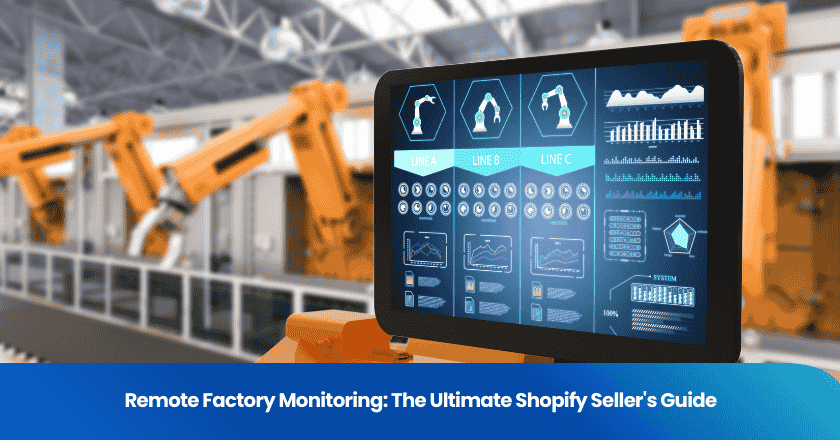
For Shopify sellers, managing product quality without traveling to China is a critical skill. Modern digital tools and third-party services now empower ecommerce brands to track production, verify suppliers, and solve issues in real-time. This guide outlines how to maintain strict product standards and control your supply chain remotely, ensuring your business scales without quality bottlenecks.

Key Takeaways
- Leverage Digital Tools: Use real-time reporting to catch defects early and ensure product quality.
- Verify Suppliers: Always check business licenses and request samples before placing bulk orders.
- Implement QC Measures: Strict quality control measures like pre-shipment inspections prevent costly returns.
- Communicate Clearly: Overcome language and time zone barriers with structured communication protocols.
Key Challenges for Shopify Sellers
Communication and Time Zones
Working with Chinese factories presents inherent communication barriers. Language differences can lead to misunderstandings regarding product specs, while time zone gaps can delay decision-making by a full day.
| Barrier Type | Description |
|---|---|
| Language Differences | Technical terms may be lost in translation, leading to production errors. |
| Time Zone Gaps | Asynchronous communication slows down urgent problem resolution. |
Quality Control Risks
Without on-site supervision, dropshipping businesses face significant risks such as inconsistent production quality, material substitutions, and hidden defects. Most quality failures happen because importers lack a structured quality control system. To avoid these issues, sellers need to set clear standards and monitor every stage of production.
Shopify Seller's Guide to Product Sourcing
Finding and Verifying Manufacturers
Success starts with finding a reliable partner. Sellers should evaluate manufacturers based on experience, production capacity, and quality control capabilities. Platforms like Alibaba are standard, but verification is crucial to avoid scams or low-quality goods.
Verification Steps:
- Check the registered business license to confirm legitimacy.
- Request production capacity reports.
- Evaluate reputation by reading customer feedback and past transaction history.
- Crucial: Conduct a factory audit (or hire a third party) to verify operations physically.
| Compliance Check | Description |
|---|---|
| Defining Specifications | Clear requirements for materials, tolerances, labeling, and packaging. |
| Inspection Services | On-site checks throughout the production process. |
| Audit Services | Evaluations of factory capability and ethical sourcing practices. |
Remote Inspection Strategies

You don't need to be in the factory to know what's happening. Digital monitoring systems and third-party inspectors act as your eyes and ears on the ground.
1. Pre-Production Inspection (PPI)
Before mass production begins, verify raw materials and ensure the factory understands your requirements. This step prevents the "garbage in, garbage out" scenario. Third-party agents can inspect raw materials and prototype quality to ensure alignment with your golden sample.
2. During Production Inspection (DPI)
Monitor the manufacturing process while it's active. This helps identify issues like tooling errors or assembly mistakes early, when they are still cheap to fix. Continuous monitoring can significantly reduce defect rates and keep production on schedule.
3. Pre-Shipment Inspection (PSI)
This is your final firewall. Before the goods leave the factory, inspectors check a statistical sample of the finished batch. They verify quantity, workmanship, function, and packaging. If the batch fails PSI, you can require the supplier to rework the goods before final payment.
| Method | Description |
|---|---|
| Live Video Monitoring | Use video calls to see production lines or inspect specific issues in real-time. |
| Third-Party Inspections | Unbiased assessment of product quality by external experts on your behalf. |
| Statistical Sampling (AQL) | Using standard AQL tables to determine if a batch passes or fails based on defect counts. |
Taking Action on Defects Remotely
Instant Decisions and Rework Supervision
Remote monitoring tools allow you to make instant decisions. When an inspector finds a defect, you receive a real-time update. You can then instruct the supplier to repair or replace the product while the inspector supervises the process. This ensures the manufacturer addresses issues before the product leaves the factory floor.
Benefits of remote action:
- Real-time defect detection: Stops poor-quality products early.
- Supplier rework supervision: Ensures the manufacturer fixes problems correctly.
- Fast complaint handling: Prevents bad inventory from reaching your customers.
Ensuring Amazon FBA Compliance
If you are also selling on Amazon or using Multi-Channel Fulfillment, strict adherence to packaging rules is mandatory. FBA inspection services check that your supplier follows these rules to avoid rejection at the warehouse.
| Requirement Type | Details |
|---|---|
| FNSKU Labeling | Each unit must have a unique, scannable FNSKU label over the original barcode. |
| Polybag Warnings | Bags with openings >= 5 inches must have suffocation warnings. |
| Carton Standards | Cartons must not exceed 50 lbs (unless containing a single overweight item) and must have correct shipment labels. |
Maintaining product consistency is vital. Regulatory compliance checks ensure your supplier meets safety standards (like CPSIA for toys or FDA for food contact items) and platform-specific rules.
Shopify sellers can achieve active quality control remotely by combining digital monitoring with professional third-party inspections. By setting up automated alerts, tracking KPIs, and acting on real-time data, you can build a resilient supply chain that delivers high-quality products to your customers every time. Acting on customer feedback and refining your manufacturing process is key to long-term growth.
FAQ
How can Shopify sellers verify a supplier in China remotely?
Sellers can verify suppliers by checking business licenses, requesting product samples, and hiring third-party inspection services to conduct on-site factory audits.
What steps help prevent quality issues when sourcing?
Request samples, define a clear QC agreement, and schedule inspections (Pre-production, During Production, and Pre-shipment) to monitor quality at every stage.
Can I monitor production in real-time?
Yes. Many modern inspection services offer digital platforms where you can view live reports, photos, and videos from the factory floor as the inspection happens.
How do I handle defects found during an inspection?
Use the inspection report to negotiate with the supplier. Require them to rework or replace defective units before you release the final payment.
Related Articles

Grow your business with TradeAider Service
Click the button below to directly enter the TradeAider Service System. The simple steps from booking and payment to receiving reports are easy to operate.

