
- About Us

- Our Services
- Your Industry
- Resources
- News & Blog
Many organizations believe they understand every link in their supply chain, but research shows only 11% have visibility across all tiers. Most companies interact primarily with their Tier 1 supplier, missing critical risks deeper in the network.
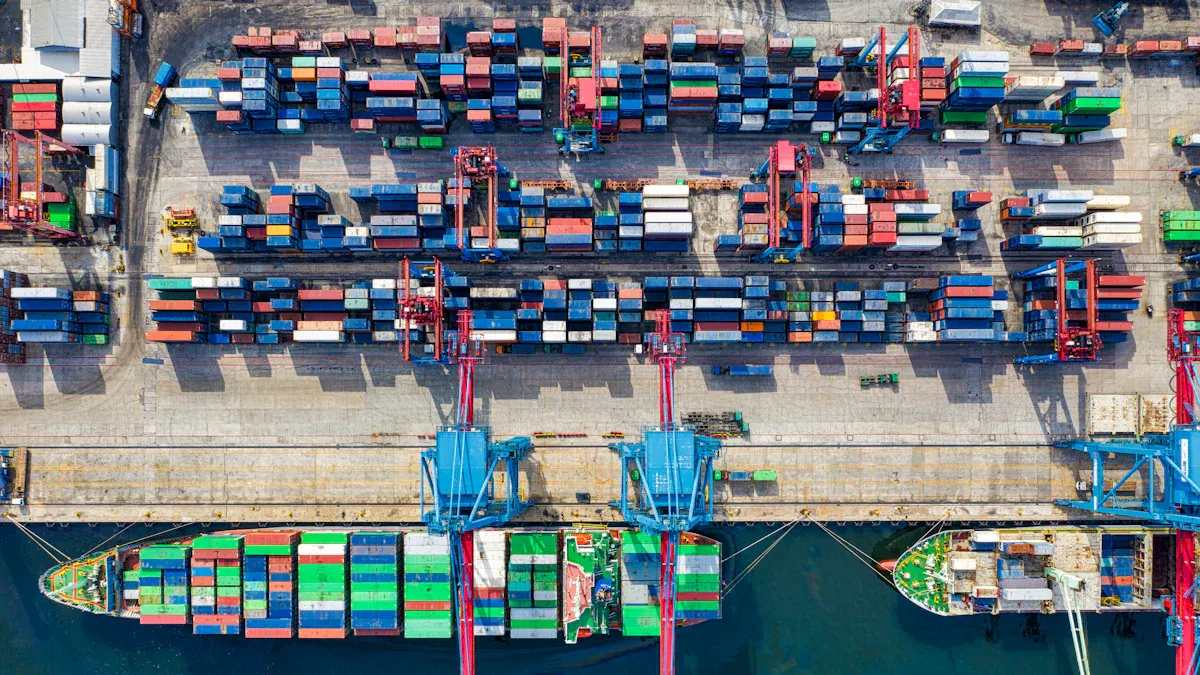
| Risk Type | Description |
|---|---|
| Inadequate Visibility | Difficulty in identifying risks and ensuring compliance across the supply chain. |
| Regulatory Misalignment | Potential for audit failures and fines due to lack of traceability in supplier oversight. |
| Reputational Damage | Long-term consequences on brand trust and customer loyalty due to association with unethical suppliers. |
Supply chain transparency becomes essential for managing product quality, legal obligations, and business reputation. Leaders should ask if they are truly prepared for deeper transparency.
Key Takeaways
- Only 11% of companies have full visibility of their supply chain. Understanding Tier 2 and Tier 3 suppliers is crucial for managing risks and ensuring product quality.
- Supply chain transparency helps identify risks early, reducing the chances of compliance failures and reputational damage.
- Implementing Pre-Production Inspections (PPI) and regular testing of materials ensures that only approved inputs enter production.
- Utilizing technologies like blockchain and IoT can enhance supply chain visibility, making it easier to track suppliers and ensure compliance.
- Building strong relationships with lower-tier suppliers fosters transparency and resilience, helping companies navigate disruptions effectively.
Understanding Tier 2 and Tier 3 Suppliers

Supplier Tiers Explained
The supply chain includes many layers of suppliers. Each tier plays a unique role in how products are made and delivered. Industry standards define these tiers based on their position and responsibilities.
| Tier Level | Definition | Example |
|---|---|---|
| Tier 1 | Direct suppliers of the final product. | Factory assembling cotton t-shirts. |
| Tier 2 | Suppliers that provide materials to Tier 1 suppliers. | Fabric mill supplying a t-shirt factory. |
| Tier 3 | Suppliers that provide raw materials to Tier 2 suppliers. | Farm selling cotton to a fabric mill. |
Tier 1 suppliers work directly with brands or buyers. They assemble or finish the final product. Tier 2 suppliers provide the components or materials that Tier 1 suppliers need. Tier 3 suppliers are even further upstream, supplying the raw materials. Understanding this hierarchy is vital for managing risk and ensuring product quality.
Note: Tier 2 suppliers impact quality and traceability, while Tier 3 suppliers often remain hidden but are critical as raw material sources.
Why They Matter
Understanding these tiers is vital. Problems at the Tier 2 or Tier 3 level can disrupt the entire supply chain. For instance, if a cotton farm faces a drought, the fabric mill may not get enough cotton, delaying the final product.
| Impact Type | Description |
|---|---|
| Production Delays | A delay at a Tier 3 provider can slow down the entire production line. |
| Quality Failures | A quality issue at a Tier 2 supplier can compromise final product performance. |
| Reputational Damage | Ethical or environmental issues at lower tiers can tarnish a brand's public image. |
| Increased Risk Exposure | Political instability or raw material shortages at sub-tier levels can escalate into major disruptions. |
Supply Chain Transparency and Its Importance
Risk and Compliance
Supply chain transparency helps companies identify risks before they become major problems. Leading organizations define transparency by two main components:
- Visibility: Companies must accurately identify and collect data from every link in their supply chain.
- Disclosure: They need to communicate this information both inside and outside the company at the right level of detail.
Regulatory requirements have become stricter. The European Union's Corporate Sustainability Reporting Directive and the Uyghur Forced Labor Prevention Act in the United States now demand proof that products are free from unethical practices. Lack of visibility can lead to serious compliance failures, product recalls, and penalties.
Quality and Performance
Upstream suppliers play a direct role in the quality of the final product. When companies lack transparency, they cannot guarantee the safety of their goods. Supplier visibility allows companies to:
- Operate more compliantly and reduce business risks.
- Earn a trustworthy reputation among stakeholders.
- Demonstrate environmental and social responsibility.
- Enhance brand loyalty by requiring transparency throughout the supply chain.
Overcoming Transparency Challenges
Data and Documentation Gaps
Companies often struggle to achieve full visibility. Many businesses do not know who their Tier 2 or Tier 3 suppliers are, making risk evaluation difficult. Supplier information is frequently fragmented, and current data pipelines often do not meet the traceability standards required by new regulations.
Technologies can help close these gaps and improve end-to-end supply chain visibility. The table below highlights some effective tools:
| Technology/Tool | Purpose/Function |
|---|---|
| Blockchain | Provides a secure, transparent record of all transactions, ensuring visibility from source to consumer. |
| Satellite Data | Enables real-time monitoring of goods across distances, offering insights into logistical challenges. |
| IoT and RFID | Automates tracking, providing real-time updates and enhancing traceability. |
| Traceability Software | Automates compliance reporting and ensures comprehensive visibility in the supply chain. |
Supplier Management Issues
Managing relationships with Tier 2 and Tier 3 suppliers presents unique challenges. Limited visibility often leaves sub-tier suppliers invisible. In fact, 85% of supply chain disruptions begin at Tier 2 or below. Leading companies incentivize transparency by engaging with suppliers who adopt integrated management systems.
Tip: Building strong relationships and offering support to lower-tier suppliers increases resilience and improves full visibility throughout the supply chain.
Practical Steps for Supply Chain Transparency
Companies can strengthen supply chain transparency by following a series of practical steps. Each step helps buyers gain deeper visibility into Tier 2 and Tier 3 supplier activities, even when direct access is limited.
Pre-Production Inspection (PPI)
Pre-Production Inspection (PPI) acts as the first checkpoint. Inspectors visit the factory to examine raw materials and components supplied by upstream suppliers. They check for correct specifications, labeling, and valid certificates. This forces the Tier 1 factory to present documentation from its supplier network, reducing the risk of defects caused by poor-quality inputs.
Component and Material Testing
Component and material testing verifies the integrity of inputs from Tier 2 and Tier 3 suppliers. Testing services check for compliance with safety standards, chemical regulations (like RoHS and REACH), and performance requirements.
| Audit Aspect | Description |
|---|---|
| Material Integrity | Ensures raw materials have the correct grade and valid certificates from the supplier. |
| Sub-Process Control | Verifies compliance of auxiliary services performed by subcontractors. |
| MTC Verification | Cross-checks Material Test Certificates against contract requirements. |
| Lot Traceability Check | Verifies the ability to trace material origin from the supplier to the fabrication factory. |
Factory Audit Practices
Factory audits provide a structured way to assess how well the Tier 1 factory manages its supplier network. Auditors review documentation, interview staff, and inspect processes. They look for evidence of supplier qualification, certification, and ongoing monitoring.
| Key Element | Description |
|---|---|
| Sustainability Audits | Focus on environmental sustainability to manage supply chain impacts and drive improvement. |
| Risk Identification | Map supplier locations using risk indices and technologies for better visibility. |
| Risk Analysis | Analyze risks based on likelihood and severity to prioritize action. |
| Risk Mitigation | Develop strategies to enhance supplier capabilities and ensure compliance with sustainability standards. |
On-Site Monitoring
On-site monitoring offers real-time oversight. Inspectors visit the factory during key stages to observe how materials from each supplier are used. Monitoring helps prevent unauthorized substitutions and ensures that only approved inputs enter the production line. For large orders, continuous on-site supervision guarantees that every step meets quality and compliance standards.
Note: On-site monitoring strengthens accountability and reduces the risk of hidden changes in the supply chain.
Companies must understand every supplier in their network to achieve true supply chain transparency. Proactive verification and ongoing monitoring of each supplier help identify risks early and support business continuity. By 2025, most organizations will use automation to improve supplier oversight. Overcoming fragmented systems and poor communication requires targeted transparency initiatives. Investing in technology and fostering a culture of openness ensures every supplier supports compliance, quality, and resilience.
"You can't secure what you don't know. Organizations need to better understand the vulnerabilities in their supply chains, employing approaches that provide greater oversight of suppliers."
Companies that prioritize transparency initiatives will strengthen supplier relationships and secure long-term success.
FAQ
What is the difference between Tier 2 and Tier 3 suppliers?
Tier 2 suppliers provide components or materials to Tier 1 factories. Tier 3 suppliers supply raw materials to Tier 2 companies. Each tier plays a unique role in the supply chain.
How can companies verify the quality of materials from lower-tier suppliers?
Companies use pre-production inspections and laboratory testing. These steps confirm that materials meet safety and quality standards before production begins.
Why is supply chain transparency important for compliance?
Transparency helps companies follow laws and regulations. It allows them to track materials and components, reducing the risk of fines or product recalls.
What tools help improve supply chain visibility?
Blockchain, IoT devices, and traceability software help companies track goods and collect data. These tools make it easier to monitor suppliers at every tier.
Related Articles
Grow your business with TradeAider Service
Click the button below to directly enter the TradeAider Service System. The simple steps from booking and payment to receiving reports are easy to operate.

