
- About Us

- Our Services
- Your Industry
- Resources
- News & Blog
When sourcing products from China, many importers face a tempting proposition: why pay for third-party inspection when the factory already has its own quality control team? The apparent cost savings can be significant—at first glance. However, this decision carries hidden risks that have cost countless importers far more than they saved, through defective shipments, customer complaints, and damaged brand reputation. This article examines the fundamental conflicts inherent in factory-based quality control and explains why independent third-party inspection provides essential protection for your sourcing operations. Understanding these risks helps importers make informed decisions about quality control investments rather than learning through costly experience.
Key Takeaways
- Inherent conflicts of interest — Why factory QC teams face pressures that compromise inspection objectivity
- Accountability gaps — The absence of independent verification and its consequences for quality issues
- Real-world failure scenarios — Case examples of quality failures from factory-only QC approaches
- Third-party advantages — How independent inspection addresses the limitations of factory quality control
The Fundamental Conflict of Interest
Factory quality control teams exist within a complex web of relationships and pressures that fundamentally compromise their independence. Unlike third-party inspectors who answer only to the buyer, factory QC personnel are employed by the same organization responsible for production—and their employment, compensation, and career advancement depend on decisions made by production management. This structural relationship creates conflicts that no amount of good intentions can fully overcome.
According to industry analysis, while the methods used by third-party inspection companies are similar to those used by factories, the critical difference lies in independence and accountability. Factory QC teams, regardless of their professional integrity, operate within a system where reporting quality problems creates tension with colleagues, supervisors, and the factory's financial interests. This dynamic doesn't require deliberate dishonesty to compromise inspection quality—it only requires normal human responses to workplace pressures.
Pressure to Approve Questionable Quality
Production deadlines, cost pressures, and management expectations create powerful incentives for factory QC teams to apply lenient standards. When a shipment deadline approaches and the production manager is under pressure to deliver, the QC inspector who might delay shipment by rejecting marginal quality faces a difficult position. Even without explicit instructions to pass defective products, the implicit pressure to avoid being the "problem" that causes delays influences how standards are applied. Over time, this pressure creates a gradual erosion of quality thresholds that may go unnoticed until significant quality failures occur.
This dynamic is particularly pronounced in Chinese manufacturing culture, where the concept of "saving face" influences workplace interactions. According to research on Chinese manufacturing quality control, suppliers may hesitate to admit mistakes or present problems to customers due to concerns about losing face or public humiliation. This cultural factor compounds the structural conflicts of interest, making factory QC teams less likely to escalate quality issues that might embarrass their organization or colleagues.
Accountability Gaps in Factory QC
One of the most significant differences between factory QC and third-party inspection lies in accountability structures. When a factory's own quality team approves a shipment that later fails in the market, the accountability chain becomes circular—the same organization responsible for the quality failure conducted the inspection that should have caught it. This circularity reduces the consequences for quality failures and removes incentives for rigorous inspection.
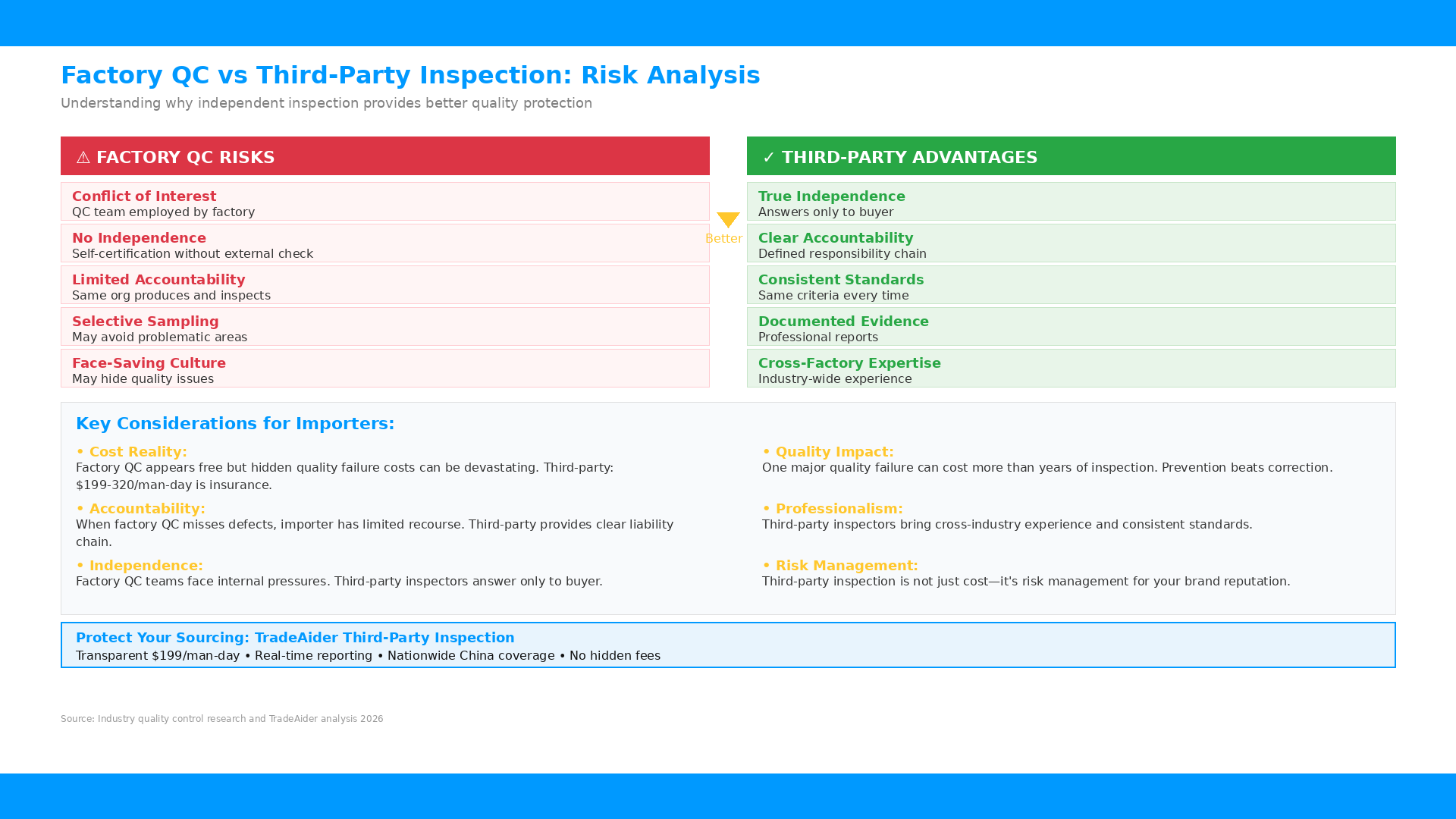
Figure 1: Risk comparison between factory QC and third-party inspection approaches
No Independent Verification
Factory QC reports represent the factory's own assessment of its work—essentially self-certification without external validation. When importers receive these reports, they have no independent basis for confidence in the reported results. The factory has every incentive to present favorable quality assessments, and no external party has verified that inspection procedures were followed correctly, sampling was truly random, or defect evaluations were accurate.
In contrast, third-party inspection companies provide independent verification that serves as an objective check on factory claims. When a third-party inspector reports a 3% defect rate, the buyer can have confidence that this figure reflects an unbiased assessment conducted according to agreed procedures. This independent verification has value far beyond the specific inspection—it creates accountability throughout the quality chain and provides documented evidence for quality discussions with suppliers.
Limited Recourse for Quality Failures
When quality problems emerge from factory-inspected shipments, importers have limited recourse options. The factory can argue that inspection was conducted, the buyer accepted the inspection arrangement, and any issues that arose were either undetectable during inspection or resulted from post-shipment factors. This defensive position makes negotiations for compensation or remediation difficult, as the factory can point to their QC process as evidence they fulfilled their obligations.
With third-party inspection, the accountability structure is fundamentally different. If a third-party inspector fails to identify defects that should have been caught under the inspection protocol, the inspection company bears responsibility for the oversight. This accountability creates clear incentives for thorough, accurate inspection and provides the buyer with leverage for addressing quality failures. TradeAider's WeGuarantee service takes this accountability further by sharing financial responsibility for quality outcomes—something factory QC can never provide.
Common Quality Failure Scenarios
Understanding the specific ways factory QC fails helps importers recognize the risks in their own supply chains. These failure patterns represent recurring issues that have affected importers across product categories and supplier relationships.
Hidden Defects and Selective Sampling
One of the most common failure patterns involves factories presenting selected samples for inspection while concealing problematic production. When factory QC conducts inspection, there's no external oversight ensuring that sample selection is truly random and representative. Factory personnel may consciously or unconsciously steer inspectors toward better-quality sections of production, or simply fail to inspect areas where problems are suspected. According to analysis of China quality control pitfalls, hidden defects and material substitutions are among the most common issues that go undetected when relying on supplier quality assurance.
Third-party inspectors follow systematic sampling procedures designed to ensure representative inspection across the entire production lot. They select cartons from different areas of the warehouse, inspect at various production stages when applicable, and follow protocols that minimize opportunities for selective presentation. This systematic approach doesn't eliminate all risk of hidden defects, but it significantly reduces the opportunity for deliberate concealment or unconscious bias in sample selection.
Material and Process Substitutions
Cost pressures create incentives for factories to substitute cheaper materials or skip process steps that affect quality but aren't visible in the finished product. These substitutions may not be detectable through standard visual inspection, but they affect product performance, durability, and safety. Factory QC teams focused on meeting production targets may not investigate these issues thoroughly, particularly when doing so would create problems for colleagues in procurement or production.
Third-party inspectors, particularly those with specific product expertise, can identify indicators of material substitution through physical testing, comparison to specification requirements, and professional judgment developed across many inspections and factories. This external expertise provides a check against gradual degradation of materials and processes that might otherwise go unnoticed until products fail in customer hands.
Documentation and Compliance Gaps
Quality inspection involves more than checking product condition—it includes verification of packaging, labeling, documentation, and regulatory compliance. Factory QC teams may lack familiarity with destination market requirements or may apply interpretations that minimize compliance burden. When issues arise, the factory's interest in minimizing disruption can lead to superficial compliance that passes initial inspection but fails under regulatory scrutiny.
Professional third-party inspection companies maintain current knowledge of destination market requirements across multiple countries and regulatory frameworks. They apply consistent standards rather than interpretations convenient for production, and they document compliance status clearly for importer review. This expertise protects importers from compliance failures that can result in customs delays, product recalls, or regulatory penalties.
When Factory QC Might Be Appropriate
While this article focuses on risks of factory QC, there are situations where factory quality control can be effective—typically as a complement to, rather than replacement for, third-party inspection. Understanding these scenarios helps importers design appropriate quality control strategies for different situations.
Established Supplier Relationships with Verified Quality
For suppliers with extensive track records of consistent quality, factory QC may be sufficient for routine shipments, supplemented by periodic third-party inspection for verification. This approach requires demonstrated quality performance over multiple shipments, transparent quality data from the supplier, and a relationship where the supplier has strong incentives to maintain quality standards. Even in these favorable conditions, periodic third-party verification provides valuable assurance and maintains accountability.
Low-Risk Products with Minimal Quality Impact
Products with low unit value, minimal safety implications, and low customer quality expectations may not justify third-party inspection cost. For commodity items where small defect rates are acceptable and customer complaints have minimal business impact, the cost of third-party inspection might exceed the risk-adjusted benefit. However, importers should carefully evaluate true cost of quality failures—including administrative costs, customer relationship impact, and potential for elevated defect rates—before deciding third-party inspection isn't warranted.
Advantages of Third-Party Inspection
Understanding the specific advantages of third-party inspection helps importers evaluate the value proposition against the apparent cost savings of factory QC.
| Factor | Factory QC | Third-Party Inspection |
|---|---|---|
| Independence | Subject to internal pressures | Answers only to buyer |
| Accountability | Circular—same organization | Clear responsibility chain |
| Standards Application | May vary based on circumstances | Consistent professional standards |
| Documentation | Factory-controlled format | Standardized professional reports |
| Recourse Options | Limited—factory position defended | Clear liability and leverage |
Objective Assessment Without Internal Pressure
Third-party inspectors arrive at the factory with no relationship to production personnel, no history of workplace interactions, and no future employment concerns related to their inspection findings. They conduct inspection according to buyer-specified protocols and report results objectively, without consideration for how those results might affect factory operations or relationships. This independence is the fundamental advantage that cannot be replicated by any internal quality team, regardless of their professionalism.
According to comparative analysis, third-party inspections are the better option when you want an objective and unbiased assessment of your products. This objectivity has value beyond any individual inspection—it creates data for supplier performance evaluation, supports quality improvement discussions, and provides documented evidence for any disputes that arise.
Professional Expertise and Consistent Standards
Third-party inspection companies employ professional inspectors who conduct inspections across multiple factories and product types. This breadth of experience develops expertise that factory-specific QC teams may lack—third-party inspectors see quality issues across the industry, understand common failure modes, and bring professional judgment informed by diverse inspection experience. They apply consistent standards across all inspections, rather than interpretations that may drift based on production pressures.
TradeAider's pre-shipment inspection service combines this professional expertise with real-time reporting capabilities that provide immediate visibility into inspection results. This combination of independent professional inspection and modern reporting technology delivers quality assurance value that factory QC cannot match, regardless of the factory's internal quality capabilities.
Making the Right Quality Control Decision
The decision between factory QC and third-party inspection should be based on careful analysis of risks, costs, and the specific characteristics of your sourcing situation. For most importers, third-party inspection provides essential protection that far outweighs the apparent cost savings of relying on factory quality control.
Factors Favoring Third-Party Inspection
- New or unproven supplier relationships where quality track record hasn't been established
- Products with safety implications, regulatory compliance requirements, or significant customer quality expectations
- High-value orders where defect costs substantially exceed inspection costs
- Products with complex specifications or multiple quality parameters
- Orders with tight deadlines where rework or replacement would be difficult
- Branded products where quality failures would damage brand reputation
Building an Effective Quality Control Program
Rather than viewing factory QC and third-party inspection as alternatives, consider how they can complement each other in a comprehensive quality control program. Factory QC provides ongoing process monitoring and first-line quality assurance, while third-party inspection provides independent verification and accountability. This layered approach maximizes quality protection while optimizing cost allocation across different quality control functions.
For importers seeking comprehensive quality assurance, TradeAider offers integrated quality control services ranging from factory audits and production monitoring through final inspection and shipment verification. Our transparent pricing at $199/man-day makes professional inspection accessible for orders of all sizes, while our real-time reporting platform provides the visibility needed for effective quality management. Contact our team to discuss how these services can strengthen your China sourcing quality control.
Common Questions About Factory QC vs Third-Party Inspection
Can't I just trust my supplier's quality control?
While many Chinese suppliers have capable quality control teams, the structural conflict of interest inherent in factory QC cannot be eliminated through trust or good relationships. Even well-intentioned factory QC teams operate under pressures that influence their inspection decisions, and quality failures can arise from factors beyond any individual's control. Third-party inspection provides independent verification that protects both buyer and supplier by ensuring quality is assessed objectively. Trust is valuable in supplier relationships, but verification protects that trust from the strains that quality failures create.
What if my supplier refuses third-party inspection?
Supplier resistance to third-party inspection should raise concerns about their confidence in their quality capabilities. Professional suppliers with strong quality management systems typically welcome third-party inspection as validation of their quality performance. If a supplier refuses third-party inspection, consider whether this relationship is appropriate for your quality requirements, and whether the apparent savings from lower-cost suppliers with quality risks are worth the potential costs of quality failures.
Is third-party inspection worth the cost?
Third-party inspection typically costs $199-320 per man-day, which protects shipments often worth thousands or tens of thousands of dollars. A single quality failure—returns, replacements, customer complaints, damage to seller ratings—can cost far more than years of inspection expenses. When viewed as insurance against quality failures rather than an optional expense, third-party inspection provides excellent value for most importers. For those seeking additional protection, services like WeGuarantee extend this value by sharing accountability for quality outcomes.
How often should I use third-party inspection?
The appropriate inspection frequency depends on order volume, supplier track record, and product risk profile. For new suppliers or critical products, inspect every shipment until a quality track record is established. For proven suppliers with consistent quality, you might reduce to periodic verification inspections while maintaining inspection readiness for any quality concerns. Work with your inspection provider to develop a risk-based inspection schedule that provides appropriate coverage while managing inspection costs.
Conclusion
The choice between factory QC and third-party inspection is not merely a cost decision—it's a risk management decision with significant implications for product quality, customer satisfaction, and business reputation. Factory quality control, while valuable for process monitoring, cannot provide the independent verification and accountability that protects importers from the full range of quality risks in China sourcing. Third-party inspection fills this gap with objective assessment, professional expertise, and clear accountability that factory QC structurally cannot provide.
For importers serious about quality assurance, the question is not whether to invest in third-party inspection, but how to integrate it effectively into a comprehensive quality control strategy. TradeAider's inspection services, available at transparent pricing of $199/man-day with real-time reporting, provide accessible professional quality verification for orders of all sizes. Contact our team today to discuss how independent inspection can strengthen your China sourcing quality control and protect your business from costly quality failures.
Related Articles
Grow your business with TradeAider Service
Click the button below to directly enter the TradeAider Service System. The simple steps from booking and payment to receiving reports are easy to operate.

