
.png)
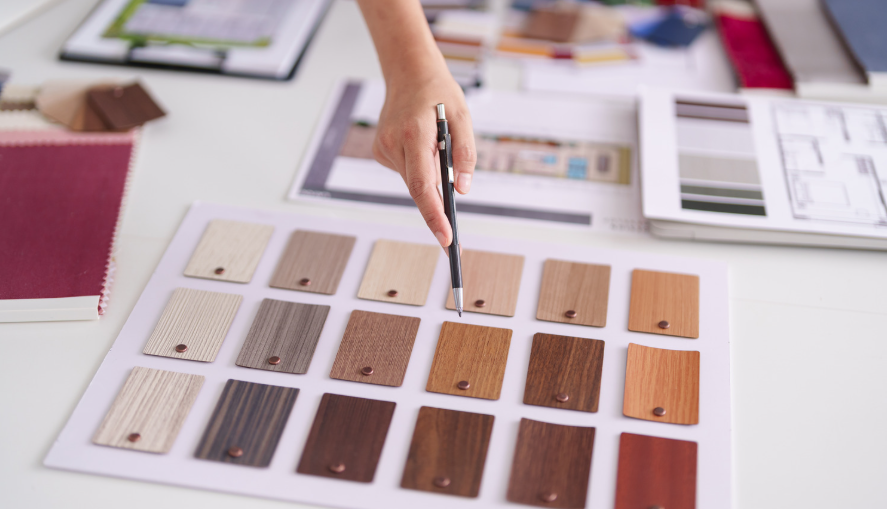
A growing Shopify brand faced a critical challenge that nearly cost them $50,000 on a single order due to a misunderstanding about raw materials. Implementing Pre-Production Inspection (PPI) proved crucial. By validating materials and factory readiness before manufacturing began, the brand prevented defects from scaling. This proactive step protected their investment and reputation.
Key Takeaways
- Pre-Production Inspection (PPI) helps brands catch defects before manufacturing begins, saving money and protecting reputation.
- Implementing PPI can reduce production defects by up to 30%, leading to fewer returns and lower costs.
- Regular inspections ensure raw materials match approved samples, preventing costly mistakes.
- Investing in PPI builds customer trust by ensuring product quality and compliance with industry standards.
- Shopify brands should schedule PPI early in the production process to address issues promptly.
Pre-Production Inspection Explained
What Is PPI?
Pre-Production Inspection (PPI) is the first line of defense in Quality Control for e-commerce. It occurs before manufacturing starts. Inspectors verify factory readiness and compliance with standards by checking raw materials, tools, and the overall factory environment.
| Step | Procedure Description | Key Focus Areas |
|---|---|---|
| 1 | Raw Materials Checking | Adherence to production standards, quantity verification |
| 2 | Components Checking | Inspection of production tools and machines |
| 3 | Sample Verification | Quality comparison of raw materials vs. approved sample |
| 4 | Production Line Checking | Evaluation of the entire production process readiness |
Why PPI Matters for E-Commerce
E-commerce brands face tough competition where one bad batch can damage reputation. PPI mitigates these risks.
- PPI can reduce production defects by up to 30%.
- Brands that use PPI often see fewer delays and lower costs.
- Addressing problems before production starts means less wasted inventory.
Shopify Brand's Risk Factors
Common Quality Issues
Shopify brands face manufacturing risks at every stage, often originating before production begins. Issues like defective materials, incorrect colors, or missing compliance documents often cause delays. Sometimes, a factory might use the wrong fabric blend or skip important safety checks.
Tip: Early detection of these issues helps maintain leaner inventories and keeps the supply chain running smoothly.
Financial Impact of Defects
Quality issues significantly impact profitability. Discovering defects post-production incurs costs for rework, returns, and lost sales, sometimes requiring total inventory disposal.
| Scenario | Impact on Bottom Line |
|---|---|
| Without PPI | High risk of scraping 100% of goods due to wrong material. Cost: $50,000+ |
| With PPI | Defect caught early. Material replaced by factory. Cost: $199 |
PPI Implementation Steps
Raw Material Checks
Raw material checks establish the foundation for quality. Inspectors verify supply quantity and adherence to standards, preventing downstream issues. Catching material problems early means fewer complications later.
Factory Readiness
Factory readiness ensures production starts without delays. Inspectors evaluate machinery, tools, and overall setup. They also review key performance indicators (KPIs) to confirm the factory can deliver on time.
Sample Verification
Sample verification is the final check before mass production. Inspectors compare materials to the approved golden sample, examining measurements, functions, and appearance.
Savings Breakdown
Prevented Defective Inventory
Defective production can cost Shopify brands thousands. PPI prevents this scenario. For example, finding a faulty component in a 10,000-unit order pre-production avoids investing in unusable inventory.
The Real ROI of PPI
- Investment: $199 (Cost of Inspection)
- Savings: $50,000 (Cost of Goods Prevented from Scrap)
- Return on Investment: 250x
Reduced Returns and Rework
Returns and rework drain profits. When customers return faulty products, brands incur shipping, handling, and refund costs. PPI helps brands avoid these headaches by ensuring all materials meet required standards before production.
Lessons for Shopify Brands

Actionable PPI Tips
- Set clear quality standards before starting production.
- Schedule inspections early.
- Use sample verification to compare products against approved designs.
- Communicate openly with your factory.
Avoiding Common Pitfalls
Many brands make mistakes when adopting Pre-Production Inspection. Here are some common pitfalls to avoid:
- Unclear Specs:Failing to provide a detailed Tech Pack or Golden Sample.
- Rushed Timeline:Skipping PPI to meet a launch date, risking total failure.
- Wrong Material:Approving samples made from market fabric instead of bulk fabric.
Note: Shop owners should utilize PPI to strengthen business operations and ensure customer satisfaction.
FAQ
What is the main benefit of Pre-Production Inspection for Shopify brands?
PPI helps Shopify brands catch problems before production starts. This step saves money, prevents wasted inventory, and keeps customers happy.
How much does a typical PPI cost?
Most PPIs cost around$199 per man-day. The price depends on the factory size and inspection needs. Many brands find this small investment prevents much larger losses.
Can PPI help reduce customer returns?
Yes! By catching defects before products ship, PPI lowers the chance of customers receiving faulty items. Fewer returns mean less hassle and better reviews.
When should a Shopify brand schedule a PPI?
Brands should schedule PPI before mass production begins. Early checks give time to fix issues and keep orders on track.
Related Articles
Grow your business with TradeAider Service
Click the button below to directly enter the TradeAider Service System. The simple steps from booking and payment to receiving reports are easy to operate.

