
- About Us

- Our Services
- Your Industry
- Resources
- News & Blog
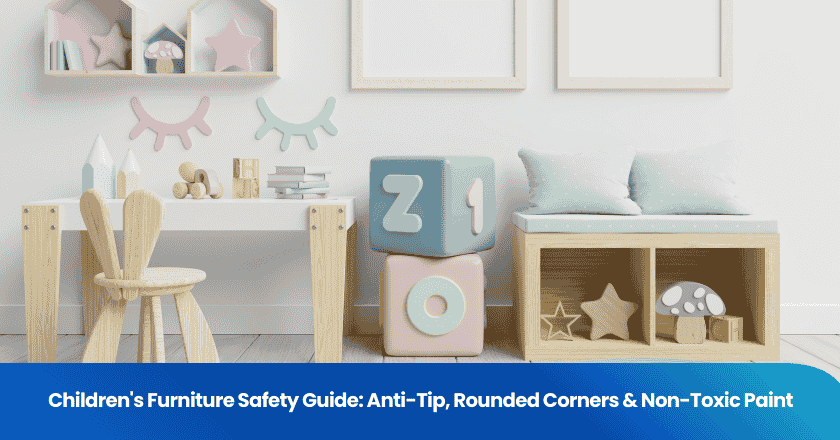
Parents often worry about the safety of furniture in their homes. Hazards like tip-overs, sharp corners, and toxic finishes are valid concerns as children explore their environment. Ensuring furniture meets strict safety standards is essential for preventing accidents. By focusing on certified products and implementing simple safety measures, families can create a secure space for their children to play and grow.
Key Takeaways
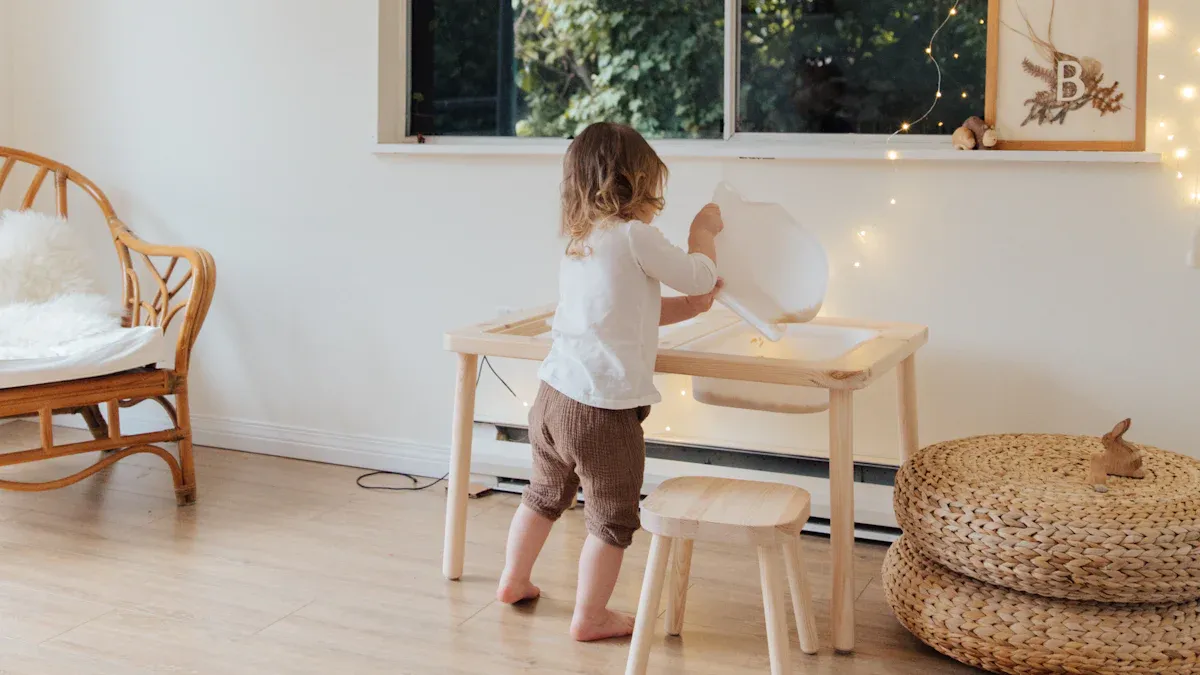
- Always check for safety certifications like CPSIA and ASTM when buying children's furniture. These labels ensure the product meets federal safety standards.
- Use anti-tip kits to secure tall furniture to the wall. This simple step is the most effective way to prevent dangerous tip-over accidents.
- Choose furniture with rounded edges to reduce the risk of cuts and head injuries during play.
- Prioritize non-toxic paints and finishes to protect your child's health from harmful chemicals like lead and phthalates.
Children's Furniture Safety and Regulations
Key U.S. Safety Standards (CPSIA, ASTM, STURDY Act)
In the United States, three main regulations govern children's furniture safety. These rules are designed to eliminate hazards before products reach the market.
| Regulation | Main Requirements |
|---|---|
| CPSIA | Requires Children's Product Certificate (CPC), tracking labels, and strict limits on lead and phthalates. |
| ASTM | Sets voluntary safety standards for specific products like cribs, toddler beds, and high chairs. |
| STURDY Act | Mandates stability tests and warning labels for clothing storage units to prevent tip-overs. |
The CPSIA (Consumer Product Safety Improvement Act) is the baseline, ensuring all children's products are tested by accredited third-party labs. The STURDY Act (Stop Tip-overs of Unstable, Risky Dressers on Youth Act) specifically targets stability, requiring furniture to withstand the weight of a climbing child.
Why Regulations Matter for Parents
Regulations are not just red tape; they save lives. Data shows that compliance with standards like ASTM F2613 drastically reduces injury rates. When parents choose compliant furniture, they are selecting products that have passed rigorous tests for stability, structural integrity, and chemical safety.
Tip: Always look for the Children's Product Certificate (CPC) or a label stating compliance with ASTM F963. This is your assurance that the product has been verified safe.
Preventing Tip-Overs with Anti-Tip Kits
Stability Testing and Anchoring Devices
Stability testing simulates real-world scenarios, such as a child pulling on open drawers. Manufacturers perform tests like the "horizontal force test" and "carpet with child weight test" to ensure units don't tip. Despite these design safeguards, anchoring remains essential.
Statistics indicate that many families neglect to install anti-tip kits, often due to a lack of awareness or perceived difficulty. However, anchors are the single most effective prevention method.
How to Install Anti-Tip Kits
Installation is straightforward and requires minimal tools:
- Locate a solid wood stud in the wall using a stud finder.
- Attach one bracket to the furniture's solid frame (not the thin back panel).
- Attach the second bracket to the wall stud.
- Connect the brackets with the provided strap or cable, tightening it to remove slack.
Tips for Reducing Tip-Over Risks
- Anchor all tall furniture, including dressers, bookcases, and TV stands.
- Place heavier items in the bottom drawers to lower the center of gravity.
- Avoid placing toys or remote controls on top of furniture to reduce climbing temptation.
- Use TV mounts or secure TVs to stable, low furniture bases.
Rounded Corners and Edge Safety
Edge and Tip Safety Testing
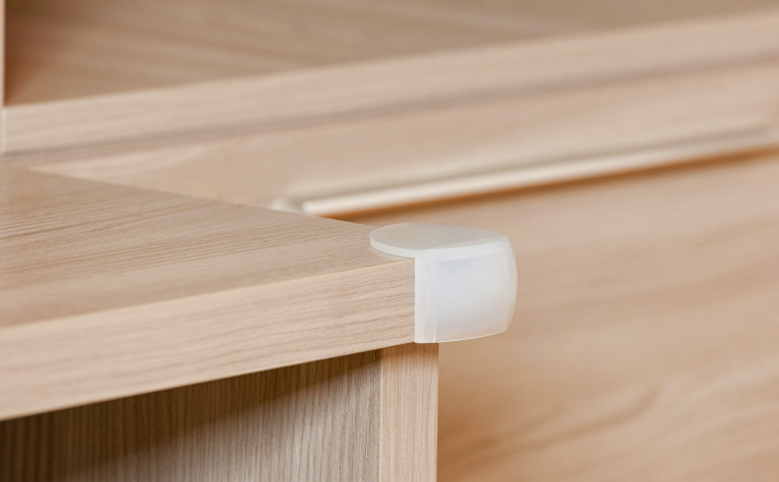
Sharp corners are a common cause of lacerations and head injuries in young children. Manufacturers use impact testing to ensure edges are smooth or sufficiently padded. While stability prevents falls, edge safety minimizes harm if a fall occurs.
Retrofitting Furniture for Safer Corners
For existing furniture with sharp edges, parents can take proactive steps:
- Install foam or silicone corner guards.
- Use edge bumpers along sharp table lines.
- Consider sanding down sharp wooden edges and refinishing them.
Choosing Safe Designs for Children
When shopping, prioritize designs that inherently minimize risk:
| Feature | Benefit |
|---|---|
| Rounded Edges | Prevents cuts and reduces impact severity. |
| Low Center of Gravity | Increases stability and reduces tipping risk. |
| Non-Toxic Finish | Safe for mouthing or contact. |
| Lockable Drawers | Prevents climbing and access to contents. |
Non-Toxic Paint and Chemical Compliance
Restricted Substance Testing
Chemical safety is paramount. Children's furniture must be free from harmful substances like lead, phthalates, and VOCs (Volatile Organic Compounds). These chemicals are linked to serious long-term health issues.
| Substance | Legal Limit (US) | Regulation |
|---|---|---|
| Lead | 90 ppm (paints/coatings) | CPSIA Section 101 |
| Phthalates | 0.1% (specific types) | CPSIA Section 108 |
| Formaldehyde | Strict limits (composite wood) | EPA TSCA Title VI |
Recognizing Non-Toxic Certifications
To ensure chemical safety, look for reputable third-party certifications. These labels verify that the product has undergone rigorous testing for emissions and harmful content.
| Certification | Focus Area |
|---|---|
| GREENGUARD Gold | Strict limits on VOC emissions; safe for sensitive individuals. |
| CertiPUR-US | Certified foam free from ozone depleters and heavy metals. |
| Oeko-Tex Standard 100 | Textiles tested for harmful substances. |
Creating a Safer Home Environment
Room-by-Room Safety Tips
A comprehensive safety check should cover every room:
- Nursery: Keep cribs away from windows and blinds cords. Ensure crib slats are no more than 2 3/8 inches apart.
- Living Room: Secure TVs and heavy bookcases. Cover sharp coffee table corners.
- Kitchen: Install latches on cabinets containing cleaning supplies.
Regular Safety Checks
Maintenance is key. Regularly tighten screws and bolts on furniture, check the tightness of wall anchors, and inspect for wear and tear. Re-verify that safety latches and locks are functioning correctly.
Creating a safe home involves a combination of choosing the right products and implementing proactive safety measures. By selecting furniture with rounded corners and non-toxic finishes, and rigorously anchoring all heavy items, parents can significantly reduce accident risks. Prioritize compliance with standards like CPSIA and look for certifications like GREENGUARD to ensure a healthy environment for your children.
FAQ
What is an anti-tip kit, and why is it needed?
An anti-tip kit is a safety device that anchors furniture to the wall. It is essential for preventing heavy furniture from tipping over onto a child who might climb on it.
How can I check if furniture paint is non-toxic?
Look for the "GREENGUARD Gold" certification or verify that the product complies with ASTM F963 and CPSIA standards for lead and phthalates.
Are rounded corners really safer?
Yes. Sharp corners can cause deep lacerations upon impact. Rounded edges distribute the force of a collision, reducing the severity of injuries.
What is the STURDY Act?
The STURDY Act is a US law that mandates stricter stability standards for clothing storage units to prevent tip-over accidents involving children.

Related Articles


Grow your business with TradeAider Service
Click the button below to directly enter the TradeAider Service System. The simple steps from booking and payment to receiving reports are easy to operate.

