
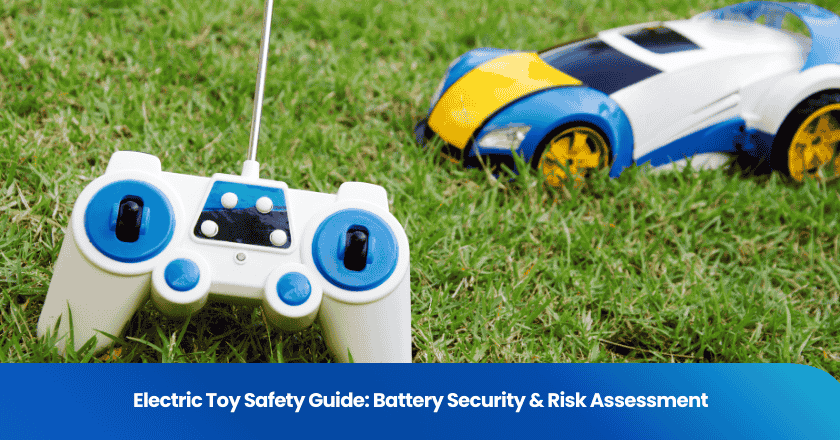
Parents and caregivers naturally worry about the safety of electric toys. Protecting children from risks like overheating, short circuits, and exposed wiring is paramount. Since many toys contain small parts, batteries, and complex circuitry, rigorous inspection is required before use. Regular checks and adult supervision are key to maintaining a safe play environment. By understanding safety standards and actively monitoring for potential hazards, adults can ensure children enjoy their playtime without unnecessary risk.
Key Takeaways
- Regularly inspect electric toys for damage, specifically checking the battery compartment for security and corrosion.
- Always look for safety certifications like CE or ASTM F963, which verify compliance with strict standards.
- Supervise children during play to quickly intervene if a toy malfunctions or overheats.
- If a toy overheats, stop use immediately, move it to a safe outdoor area, and contact emergency services if there is a fire risk.
- Dispose of damaged toys and batteries responsibly at designated recycling centers.
Electric Toy Safety Standards
Regulatory Compliance Overview
Electric toys must adhere to strict international safety standards before they can be sold. Different regions enforce specific requirements to protect children from electrical, chemical, and mechanical risks.
| Region | Mandatory Standards | Recommended Standards |
|---|---|---|
| European Union | EN 71, REACH, RoHS, EMC Directive | CE Marking, WEEE |
| United Kingdom | UKCA Marking, EN 71, RoHS, EMC Regulations | REACH, PAS 7050 |
| Canada | CCPSA, Hazardous Products Act, ICES-003 | CSA Standards, RoHS |
| Australia | AS/NZS ISO 8124, ACMA | RoHS, Green Label Program |
| United States | ASTM F963, CPSIA | FCC, UL Standards |
Certification for Child Safety
Safety standards vary by region but share the goal of ensuring child safety. In the US, ASTM F963 focuses on mechanical properties and flammability. Europe's EN 71 includes tests for choking hazards and chemical hygiene. In Asia, China's GB standards and India's BIS certification (based on ISO 8124) ensure toys are free from hazardous parts.
- ASTM F963: Validates mechanical and physical properties.
- EN 71: Tests for flammability and chemical migration.
- GB Standards: Limit harmful substances in the Chinese market.
Restricted Substances and Safe Materials
Regulations impose strict limits on dangerous chemicals. Non-compliant toys may contain excessive levels of phthalates (like BBP, DBP, DEHP), lead, or short-chain chlorinated paraffins (SCCPs). These substances pose long-term health risks.
| Restricted Substance | Risk Description |
|---|---|
| Phthalates (BBP, DBP, DEHP) | Often found in soft plastics; linked to hormonal disruptions. |
| Lead | Found in paints or poor-quality solder; toxic to neurological development. |
| SCCPs | Used in plastics; persistent environmental pollutants. |
Tip: Always check labeling for certification marks. This simple step is your first line of defense against non-compliant, unsafe toys.
Battery Compartment Safety Testing
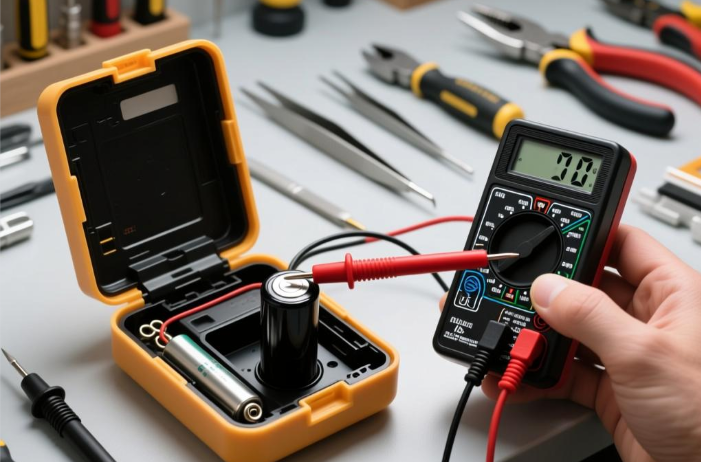
The battery compartment is a critical safety point. Testing ensures that batteries are securely enclosed, preventing access by children which could lead to swallowing hazards or chemical burns. Rigorous testing also evaluates protection against overheating and short circuits.
Secure Battery Installation
Safety testing involves simulating real-world abuse. Inspectors measure the force required to open the compartment to ensure it cannot be opened without tools. They also assess resistance to moisture and dust, which are common causes of short circuits.
| Test Procedure | Purpose |
|---|---|
| Accessibility Test | Ensures children cannot open the compartment without tools. |
| Ingress Protection | Prevents moisture and dust from causing shorts. |
| Thermal Cycling | Assesses structural integrity under temperature extremes. |
| IEC 62115 Compliance | Measures force and water penetration against international standards. |
Visual and Voltage Checks
Inspectors verify physical security features, such as locking screws and isolation tabs. They also check for mandatory warning labels regarding battery risks. Voltage checks ensure the toy operates within safe electrical limits to prevent overheating. Unfortunately, market studies often reveal high failure rates in these areas, highlighting the need for vigilance.
Note: Before handing a toy to a child, inspect the battery compartment to ensure the screw is tight and the plastic is not cracked.
Preventing Child Access
The most effective safety mechanism is a compartment that requires a tool (like a screwdriver) to open. Additional safety layers include:
- Screws: Mechanical fasteners that prevent manual opening.
- Tape/Tabs: Secondary seals on packaging or the device.
- Warning Labels: Clear alerts about button battery hazards.
Proper storage of spare batteries and safe disposal of old ones are equally important to prevent accidents.
Overheating and Short-Circuit Risk Assessment
Electrical and Thermal Safety
Electrical components pose inherent risks. Overheating usually occurs when components exceed their thermal limits, while short circuits happen when insulation fails or debris bridges connections.
| Hazard Cause | Description |
|---|---|
| Damaged Insulation | Exposed wires touching causes shorts. |
| Loose Connections | Can lead to arcing and heat buildup. |
| Conductive Debris | Metal shavings bridging circuits. |
| Design Flaws | Lack of fuse protection or poor thermal management. |
Manufacturers must perform safety tests including checks for heating, electric strength (insulation), and moisture resistance.
Signs of Overheating
Lithium-ion batteries can enter thermal runaway if damaged or overcharged, reaching dangerous temperatures. Watch for these warning signs:
- Toy feels hot to the touch.
- Burning smell or smoke.
- Swollen or discolored battery compartment.
- Sparks or sudden failure.
Supervision and Preventive Actions
Adult supervision allows for quick intervention. To minimize risks:
- Regularly inspect the battery compartment for corrosion or damage.
- Discard any toy that emits heat or smells burnt.
- Use correct battery types and never mix old and new batteries.
Tip: If a toy overheats, move it outdoors immediately. Do not touch leaking batteries with bare hands.
Immediate Safety Actions for Parents
Responding to Safety Issues
If an injury occurs or a toy malfunctions:
- Disconnect power immediately.
- Seek medical attention for burns or electric shocks.
- Do not touch a child still in contact with a live high-voltage source (rare for toys, but possible with outlets); use a non-conductive object to separate them.
- Preserve the toy as evidence if reporting is necessary.
Reporting Unsafe Toys
Reporting helps remove dangerous products from the market.
- Submit reports to the CPSC (SaferProducts.gov).
- Notify the manufacturer and the retailer.
- Include photos and details of the incident.
Safe Disposal and Replacement
Do not throw electric toys or batteries in regular trash. Use designated recycling drop-off locations to prevent environmental contamination and fires in waste facilities.
Ensuring electric toy safety is a continuous process of inspection and supervision. By staying informed about safety standards and actively monitoring the condition of toys, parents can significantly reduce accident risks. Subscribe to recall alerts from sources like Safe Kids Worldwide to stay updated on the latest safety notices.
FAQ
What safety certifications should parents look for on electric toys?
Look for CE, UL, or ASTM F963 marks on packaging. These indicate the toy has passed rigorous safety inspections.
How often should adults inspect electric toys?
Inspect toys before first use and periodically thereafter. Check for damage or battery leakage every time you change batteries.
What are the first signs of battery overheating?
Heat radiating from the compartment, a melting plastic smell, or smoke are immediate red flags. Stop use instantly.
How can parents report an unsafe electric toy?
Report incidents to the Consumer Product Safety Commission via SaferProducts.gov with details and photos.
Related Articles
Grow your business with TradeAider Service
Click the button below to directly enter the TradeAider Service System. The simple steps from booking and payment to receiving reports are easy to operate.

