
- 会社概要

- 当社のサービス
- あなたの業界
- リソース
- ニュース&ブログ

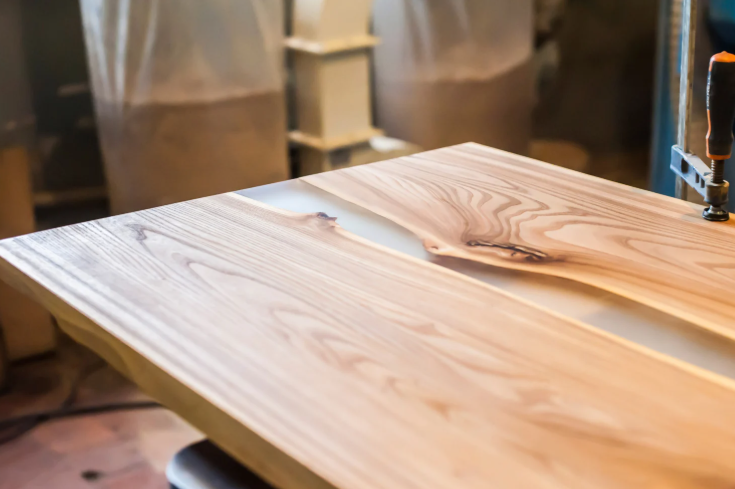
For solid wood furniture, longevity lies in the details. The stability of a piece is directly tied to two critical factors: wood moisture content (MC) and the integrity of its joinery. Incorrect moisture levels can lead to warping or cracking, while weak mortise and tenon joints compromise structural safety. Implementing rigorous inspection protocols using specialized tools helps manufacturers deliver durable, high-quality furniture that withstands the test of time.
Key Takeaways
- Monitor wood moisture regularly to prevent shrinkage, cracking, and warping. Aim for moisture levels between 7% and 12% for most indoor furniture.
- Use the right moisture meter for inspections. Pinless meters are best for finished furniture, while pin-type meters locate moisture pockets effectively.
- Check mortise and tenon joints for stability. Look for gaps, creaking sounds, or movement to ensure furniture remains strong and safe.
- Maintain indoor humidity between 35% and 45% to protect wood furniture from damage. Use humidifiers or dehumidifiers as needed.
- Establish a regular inspection routine to catch issues early and preserve product value.
Why Wood Moisture Matters
Effects on Furniture Integrity
Wood is hygroscopic, meaning it absorbs and releases moisture based on its environment. Maintaining the correct Moisture Content (MC) is vital. Excess moisture leads to shrinkage and cracking as the wood dries, while too little moisture causes swelling and warping in humid conditions. These fluctuations can ruin the fit and finish of furniture.
Common moisture-related defects include:
- Shrinkage: Gaps appearing in joints or panels.
- Warping: Cupping, bowing, or twisting of flat surfaces.
- Splitting: Cracks forming along the wood grain.
Tip: Always verify the MC of raw materials before production begins to prevent costly defects later.
Impact on Mortise & Tenon Joints
Mortise and tenon joints rely on a precise friction fit. If the wood expands or contracts significantly due to moisture changes, these joints can fail. Swelling can split the mortise, while shrinkage can cause the tenon to become loose, resulting in wobbly furniture.
Wood Moisture Meter Use
Types of Moisture Meters for Wood
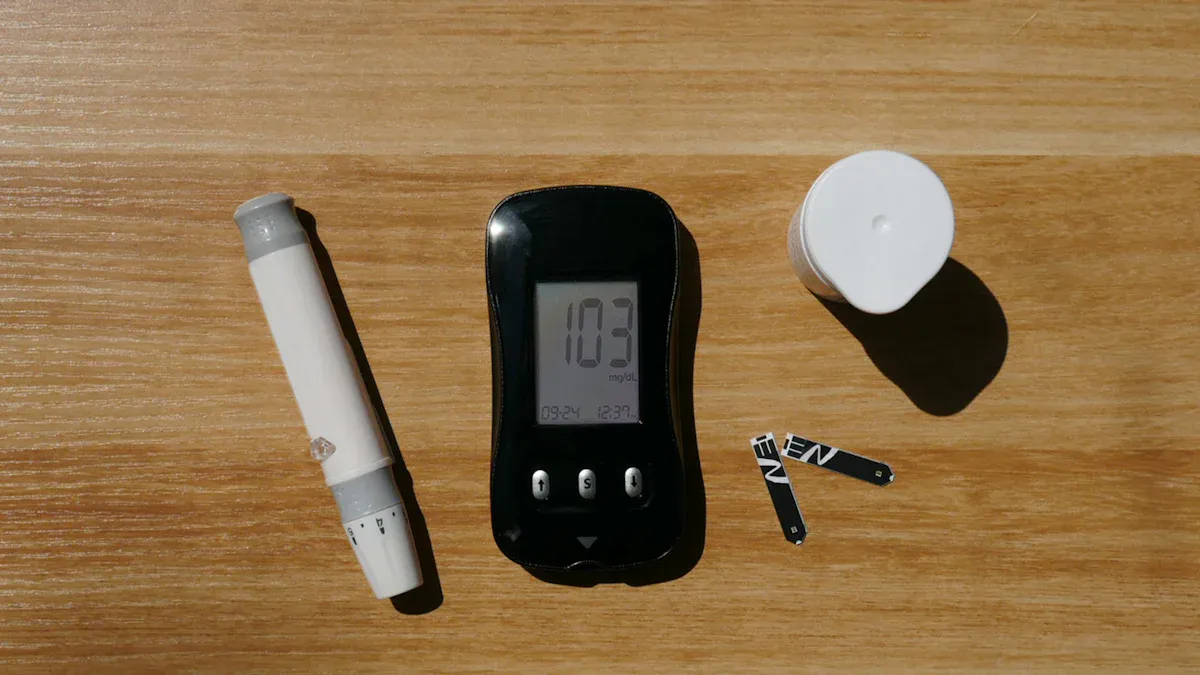
Selecting the correct inspection tool is crucial. The industry primarily uses pin-type and pinless meters.
| Meter Type | Best Use | Pros | Cons |
|---|---|---|---|
| Pin-Type | Raw Lumber | Precise depth readings; locates moisture pockets. | Leaves pinholes; pins can break. |
| Pinless | Finished Furniture | Non-destructive; scans large areas quickly. | Requires flat surface; affected by surface moisture. |
How to Measure Moisture Content
Accurate measurement requires a systematic approach:
- Select representative samples from the batch.
- For pin meters, insert pins parallel to the grain. For pinless, ensure the sensor plate makes full contact.
- Take readings from multiple areas (ends, center) to check for uniformity.
- Record all data points for the inspection report.
Interpreting Moisture Meter Results
The ideal MC varies by destination climate. For example, furniture destined for a dry climate requires lower MC than pieces for a humid region.
| Region/Climate | Ideal Moisture Content (%) |
|---|---|
| Standard Indoor (US/EU) | 7% - 9% |
| Dry/Desert Climates | 6% - 8% |
| Humid/Coastal Areas | 9% - 12% |
Pre-Production and Dimensional Checks
Raw Material Moisture Content
Pre-production inspection is the first line of defense. Inspectors must verify that the lumber has been properly kiln-dried to the specified MC range before any machining occurs. This prevents "movement" in the wood during manufacturing, which ensures precise cuts and tight joints.
Dimensional and Environmental Testing
Inspectors also perform dimensional stability tests. This involves exposing wood samples to various humidity levels to predict how much the final product might expand or contract. This data helps engineers design appropriate tolerances for joints and moving parts like drawers.
Mortise & Tenon Joint Check
Signs of Joint Instability
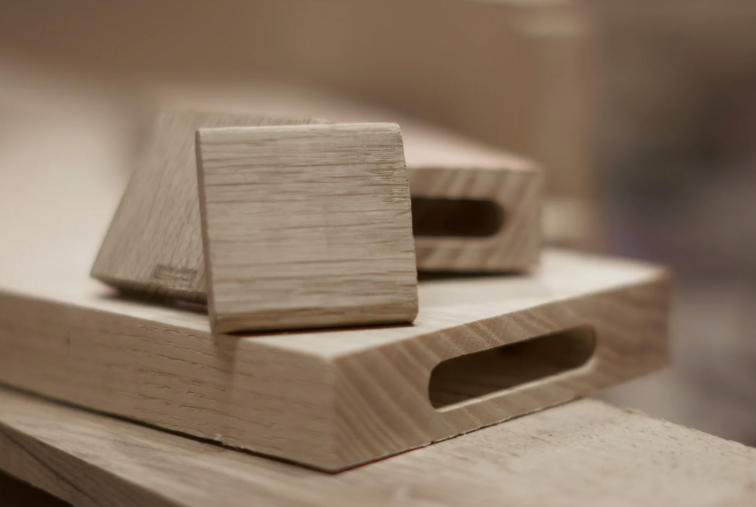
Inspectors look for visible gaps (glue lines), cracks around the joint, or any movement when stress is applied. A "creaking" sound when the furniture is rocked indicates internal friction, often a sign of a loose joint or insufficient glue coverage.
Assembly and Functional Testing
Functional testing involves simulating real-world use. Inspectors apply load to chairs, open and close drawers repeatedly, and rock tables to ensure rigidity. If a joint shifts under load, it fails the inspection.
Mechanical Strength and Workmanship
The strength of a joint depends on precise machining. Inspectors verify:
| Factor | Inspection Criteria |
|---|---|
| Fit | Tenon must fit snugly into the mortise without forcing. |
| Glue Coverage | Glue should cover the entire mating surface without excessive squeeze-out. |
| Machining | Clean cuts with no tear-out or rough edges. |
Preventive Care for Solid Wood Furniture
Maintaining Proper Moisture Levels
Post-purchase care is essential. Keeping indoor humidity between 35% and 45% prevents the wood from drying out or absorbing excess moisture. Homeowners should avoid placing furniture near heat sources or direct sunlight.
Regular Inspection Routine
A consistent inspection routine helps maintain quality. Whether in a factory or a home, checking for loose joints or surface cracks early allows for minor repairs before they become major structural failures.
Ensuring the quality of solid wood furniture requires vigilance regarding moisture content and joint stability. By adhering to strict inspection standards and using precise measurement tools, manufacturers can prevent common defects like warping and wobbling, ensuring customer satisfaction and product longevity.
| Defect | Control Measure |
|---|---|
| Loose Joints | Verify machining tolerances and glue application. |
| Warping | Strict moisture content monitoring (kiln drying). |
| Cracking | Proper acclimation and humidity control. |
FAQ
How often should wood moisture be checked?
In manufacturing, check at every stage: raw material arrival, after kiln drying, before assembly, and before packaging. For homeowners, check seasonally.
What is the best moisture meter for furniture?
For finished furniture, a high-quality pinless meter is best to avoid damaging the surface. For raw lumber, a pin-type meter is more accurate.
Can high humidity damage mortise and tenon joints?
Yes. High humidity causes wood to swell, which can stress the joint or crush the wood fibers, leading to a loose fit when the wood eventually dries out.
How do I fix a loose joint?
If a joint is loose, it often needs to be disassembled, cleaned of old glue, and re-glued. In some cases, injecting wood glue into the gap and clamping it may suffice.

関連記事



TradeAiderサービスでビジネスを成長させる
下のボタンをクリックして、TradeAiderサービスシステムに直接入ります。予約から支払い、報告書の受け取りまでの簡単な手順は操作が簡単です。

