
- About Us

- Our Services
- Your Industry
- Resources
- News & Blog
 Guiding Factories After Audit Failure.png)
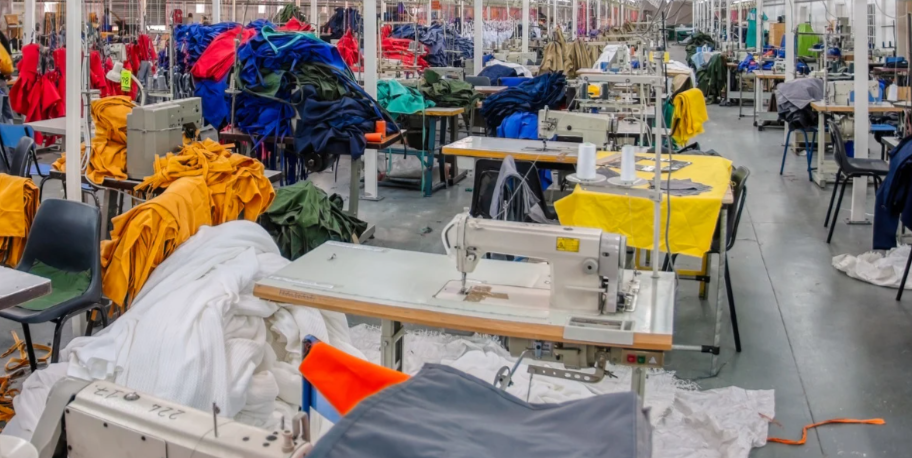
Factories often encounter urgent and complex issues following a failed audit. Common challenges include pest activity resulting from poor maintenance, disorganized documentation systems, equipment calibration failures, and hazardous conditions like faulty PPE. These problems pose a dual threat: they jeopardize compliance certifications and introduce significant financial risks.
| Financial Impact | Description |
|---|---|
| Production Delays | Delays in production can lead to lost revenue and increased operational costs. |
| Financial Penalties | Companies may incur fines due to non-compliance with regulations. |
| Loss of Customer Trust | Trust issues can result in decreased sales and long-term customer relationships. |
| Reputational Damage | Negative perceptions can affect future business opportunities and partnerships. |
Immediate corrective action plans are essential to address these challenges in real time, while ongoing process improvements reduce future audit risks.
Key Takeaways
- Factories must act quickly after a failed audit. Timely communication helps resolve issues faster.
- A Corrective Action Plan (CAP) addresses root causes of problems. It helps prevent future issues and improves compliance.
- Involve all team members in the CAP process. This builds accountability and ensures everyone knows their role.
- Use data to find the real reasons behind problems. Accurate information leads to better solutions.
- Monitor the effectiveness of the CAP regularly. This helps maintain compliance and supports continuous improvement.
Immediate Actions After a Failed Audit

Real-Time Reporting and Communication
Factories must act quickly after a failed audit. Timely communication helps management understand the situation and decide how to apply corrective actions. While many organizations aim to resolve issues in 30 days or less, the complexity of each problem dictates the timeline. Immediate acknowledgment of the failure is critical to starting the recovery process.
Tip: Quick and clear reporting allows factories to get back on track with targeted improvements.
Best practices for real-time reporting and communication include:
- Sharing immediate updates with all stakeholders.
- Using digital platforms for fast and efficient information flow.
- Involving suppliers by requesting a Corrective Action Plan that lists steps, timelines, and responsibilities.
- Using digital collaboration tools for video conferencing and document sharing.
The choice of communication channel depends on the audience. The table below shows common channels and their effectiveness:
| Communication Channel | Audience Type | Effectiveness Description |
|---|---|---|
| Face-to-face meetings | Senior management & operational managers | Facilitates interactive discussions and immediate feedback. |
| Written reports | Board & audit committee | Provides a permanent record for detailed review. |
| Digital platforms | Broader audience | Ensures all relevant stakeholders receive information efficiently. |
On-Site Supervision and Rework
After a failed audit, factories often need to fix problems while inspectors are still on-site. Inspectors supervise the repair or replacement of defective products. This hands-on approach ensures that factories follow the required steps and meet quality standards before shipping goods. Immediate rework helps reduce the risk of future audit failures and builds trust with clients.
Understanding Corrective Action Plans (CAP)

What Is a Corrective Action Plan?
A corrective action plan helps factories address problems found during an audit. This plan provides a structured way to solve issues and prevent them from happening again. Factories use CAPs to respond to audit findings and improve their processes. The plan guides teams to identify what went wrong, fix the problem, and make sure it does not return.
Factories rely on corrective action plans for several reasons:
- It serves as a documented strategy that identifies and addresses recurring issues.
- The plan uses a systematic approach to resolve underlying causes rather than just symptoms.
- It outlines steps to correct a problem, prevent recurrence, and protect against future risks.
Corrective action plans differ from quick fixes. Immediate corrective actions resolve specific problems right away, whereas a CAP focuses on deeper issues that affect the whole system.
Purpose and Key Elements of CAP
The main purpose of a CAP is to address audit findings and improve compliance. Factories use these plans to fix root causes and prevent future failures. A strong corrective action plan includes several key elements required by international compliance standards:
| Key Component | Description |
|---|---|
| Addressing Root Causes | Identify the underlying issues that led to the problem. |
| Developing Realistic Plans | Create actionable steps that are feasible and achievable. |
| Assigning Responsibilities | Designate individuals or teams responsible for each action item. |
| Establishing Timelines | Set strict deadlines for when each action should be completed. |
| Proper Documentation | Maintain records of the corrective actions taken and outcomes. |
| Effective Monitoring | Develop systems to track progress and ensure compliance. |
Understanding the difference between long-term plans and immediate fixes is vital:
| Aspect | Corrective Action Plans (CAP) | Immediate Corrective Actions |
|---|---|---|
| Focus | Addresses root causes of systemic issues | Resolves specific nonconformities |
| Approach | Involves thorough root cause analysis | Targets immediate defects without deeper analysis |
| Outcome | Aims to prevent recurrence of issues | May not prevent future occurrences |
| Implementation | Involves process improvements and training | Quick fixes to current problems |
Note: Factories that use corrective action plans effectively can reduce future audit failures and build stronger compliance systems.
CAP Process for Systemic Failures
Root Cause Analysis and Data Collection
Systemic failures cause most audit problems in factories. These failures often come from deep issues in the structure, culture, or operational setup. Factories must use a data-driven approach to find the real reasons behind repeated problems. The corrective action process starts with collecting and analyzing the right data.
Factories use several methods to gather information for root cause analysis:
- Manual checks combined with advanced data collection tools speed up the process.
- Maintenance records, operational logs, inspection reports, and sensor data provide valuable insights.
- Batch records and quality control data help identify patterns in production variability.
- Careful data analysis narrows down possible causes and avoids wasted time on guesses.
Developing and Implementing the CAP
After identifying the root cause, the next step is to develop and implement a CAP that addresses the problem at its source. Factories follow a structured process to ensure success:
- Problem Statement: Clearly define the issue and how it fails to meet standards.
- Root Cause Analysis: Use collected data to find the underlying factors.
- Action Plan: List specific measures, assign tasks, and set responsibilities.
- Implementation: Carry out the plan with support from all stakeholders.
- Monitoring and Verification: Track progress to confirm the issue is fixed.
- Preventive Measures: Add steps to stop the problem from happening again.
- Documentation: Keep records of actions and results for future reference.
Tip: Make the corrective action process a team effort. Involve employees, provide training, and communicate new policies clearly. This approach builds a culture of compliance and accountability.
Digital tools help factories manage the CAP more efficiently. Automated reporting, progress tracking, and real-time data allow supervisors to sign off on corrective actions and resolve issues much faster.
Monitoring and Standardizing Improvements
Monitoring the effectiveness of a CAP is essential for long-term compliance. Factories use a systematic approach to measure outcomes after a set period. Internal audits help identify any new or recurring issues. Common metrics help factories evaluate the success of their corrective action process:
| Metric | Description | How to Use It |
|---|---|---|
| First-Pass Yield (FPY) | Measures process effectiveness without rework. | Optimize production efficiency and identify hidden costs. |
| Overall Equipment Effectiveness | Productivity calculated as availability x performance x quality. | Maximize machine use and track performance over time. |
| Supplier Quality Metrics | Quality of materials from suppliers. | Track defect rates and incoming quality. |
| Internal Timing Efficiency | Timing in production processes. | Monitor cycle time and new product introduction rates. |
| Audit Metrics | Compliance and process effectiveness. | Track improvements and identify high-risk areas. |
Standardizing improvements across multiple sites requires consistency. Factories use digital platforms to standardize the corrective action process, provide real-time oversight, and improve documentation. Third-party auditors play a key role in follow-up audits, ensuring that planned activities are completed and that results meet expectations.
Tips for Effective Corrective Action Plans
Setting Clear Goals and Accountability
Factories improve their compliance results by setting clear goals in corrective action plans. Teams should use the SMART method to create goals that are Specific, Measurable, Achievable, Realistic, and Time-bound. This approach directly addresses the root cause of problems found during an audit.
| Strategy | Description |
|---|---|
| SMART Goals | Create specific, measurable, achievable, realistic, and time-bound goals that address the root cause of the problem. |
Assigning accountability ensures that each step in the CAP has a responsible person or team. This structure helps tasks get completed on time. Everyone knows their role, which reduces delays and confusion. Accountability also supports ongoing compliance and keeps the factory focused on improvement.
Avoiding Common CAP Pitfalls
Factories often face challenges when implementing a CAP. Common pitfalls can slow down progress or lead to repeated audit failures.
| Pitfall | Description |
|---|---|
| Insufficient follow-up | Closing a CAP without checking if actions worked can leave problems unsolved. |
| Lack of process effectiveness | Vague or incomplete plans cause confusion and fail to address root causes. |
| Lack of cross-functional teams | Not involving other departments can lead to missed details and weak solutions. |
| Poor documentation | Incomplete records make it hard to prove compliance and can trigger regulatory action. |
Conclusion: The Path to Continuous Improvement
Immediate actions and structured corrective action plans help factories recover quickly after a failed audit. Teams address root causes, improve efficiency, and maintain compliance by acting fast and following a clear plan. Factories that combine real-time solutions with long-term improvements not only recover from a failed audit but also drive continuous improvement.
FAQ
What is a Corrective Action Plan (CAP)?
A corrective action plan guides factories to fix problems found during audits. Teams use it to address root causes, assign tasks, and track progress. This plan helps prevent future issues and supports continuous improvement.
How does a CAP differ from immediate corrective actions?
A CAP targets long-term solutions for systemic problems. Immediate corrective actions focus on fixing specific defects quickly. Teams use CAPs to improve processes and meet compliance standards.
Who is responsible for implementing a CAP in a factory?
Factory managers assign responsibility to specific teams or individuals. Each person tracks their assigned tasks and reports progress. Clear accountability ensures every step of the plan gets completed.
How do factories monitor the effectiveness of a CAP?
Factories use regular audits, progress reports, and performance metrics. Teams check if actions solve the problem and prevent recurrence. Monitoring helps maintain compliance and supports ongoing improvement.
Why is a compliance audit important for factories?
A compliance audit checks if factories follow regulations and standards. Audits help identify risks, improve quality, and protect the company's reputation. Passing audits builds trust with customers and partners.
Related Articles

Grow your business with TradeAider Service
Click the button below to directly enter the TradeAider Service System. The simple steps from booking and payment to receiving reports are easy to operate.

