
- Acerca de Nosotros

- Nuestros Servicios
- Su Industria
- Recursos
- Noticias y Blog
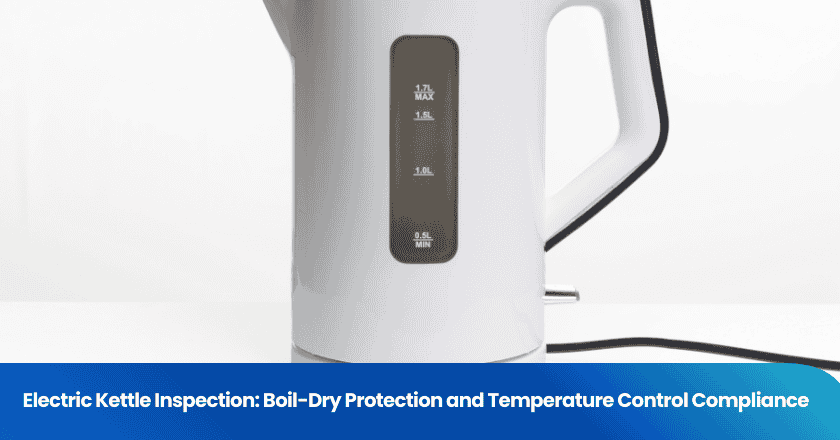
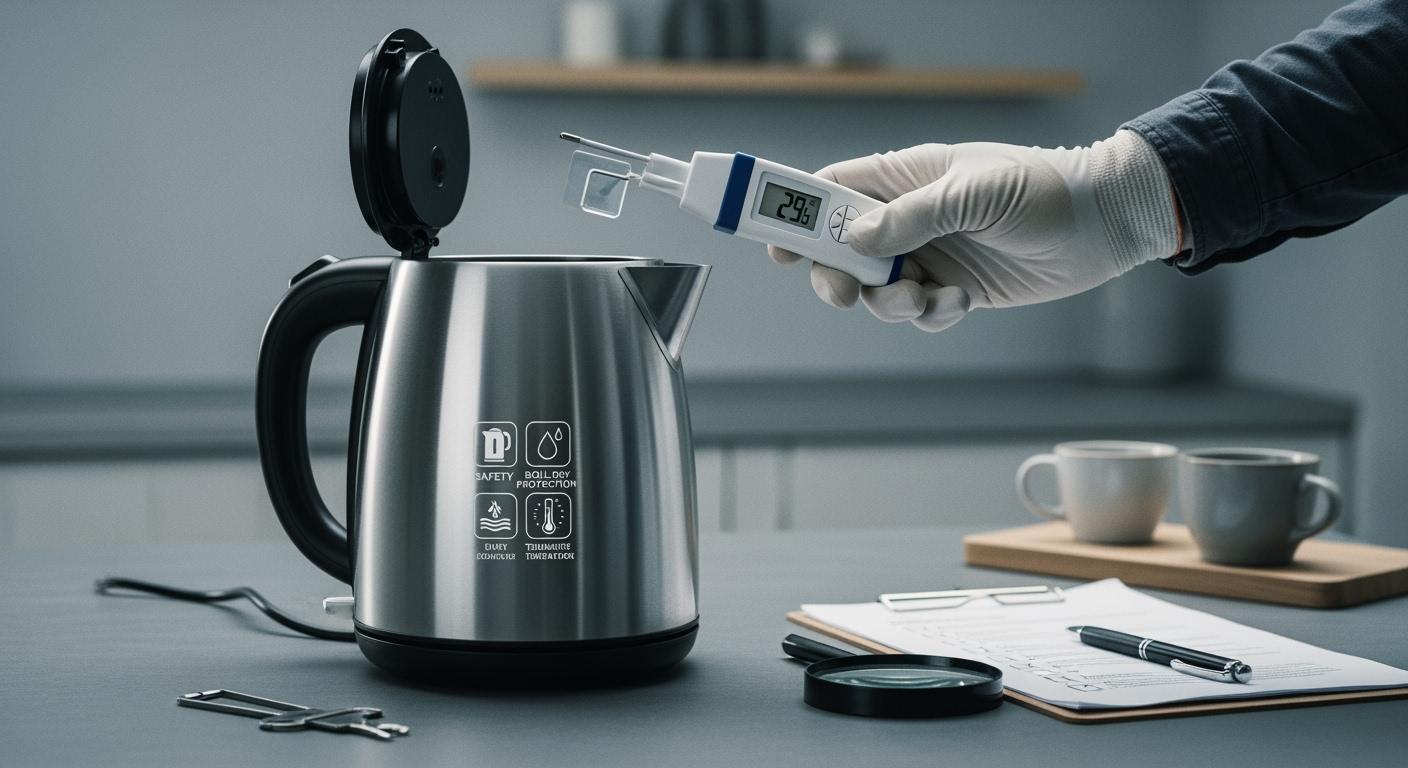
Electric kettle inspection helps prevent hazards by ensuring every kettle meets strict safety standards. Inspectors follow a series of steps, such as simulating dry burning and checking thermostat accuracy, to verify boil-dry protection and temperature control. The table below highlights these main steps:
| Step | Description |
|---|---|
| 1 | Simulate dry burning to check automatic shut-off. |
| 2 | Test anti-dry burn device reliability. |
| 3 | Assess thermostat sensitivity and stability. |
| 4 | Confirm thermostat accuracy. |
Regular electric kettle inspection is essential for compliance. Regulatory guidance suggests the following inspection frequency:
| Equipment Class | Testing Frequency in Harsh Environments | Testing Frequency in Normal Use |
|---|---|---|
| Class I | Every 3 months | Every 12 months |
| Class II | Every 6 months | Every 24 months |
Trained individuals or competent staff should conduct these checks. Real-time reporting and documentation increase efficiency and lower labor costs, making the process safer and more reliable.
Key Takeaways
- Pre-shipment inspections of electric kettle batches verify critical safety features, such as boil-dry protection and temperature control, ensuring compliance with standards and functional reliability.
- Key inspection steps include testing boil-dry protection, thermostat accuracy, and overall performance to confirm safety features work correctly.
- Compliance with international standards like CE and UL is essential for market access and builds consumer trust in electric kettles.
- Inspectors use real-time reporting and documentation to enhance efficiency, allowing for quick action if a kettle fails safety tests.
- Safety features such as automatic shut-off and boil-dry protection are crucial for user safety and energy efficiency in electric kettles.
Electric Kettle Inspection Overview
Inspection Scope and Standards
Inspectors evaluate every electric kettle using a range of tests. These tests help confirm that each kettle meets strict standards for safety, energy efficiency, and performance. The table below shows the main types of tests performed during inspection:
| Test Type | Description |
|---|---|
| Visual & Functional Inspection | Identifies physical defects and operational failures. |
| Electrical and Safety Testing | Ensures compliance with safety standards to prevent electric shocks and malfunctions. |
| Performance & Durability Testing | Evaluates efficiency and reliability under prolonged use. |
| Thermal Testing | Ensures the kettle does not overheat and safety mechanisms function correctly. |
Inspectors follow international standards such as IS 302-2-15, CE, and UL. These standards set clear rules for electrical appliances. They help protect users and ensure energy efficiency. Meeting these standards is necessary for market access and legal compliance.
Key Safety Features
A modern electric kettle must include several safety features to pass inspection:
- Automatic shut-off
- Boil-dry protection
- Safe materials that prevent harmful substances from leaching
- Spill-proof design
- Steamless operation
Double-layer insulation keeps the outer shell cool and prevents burns. Concealed heating elements make cleaning easier and reduce risks. Inspectors also check that all materials, including the lid, resist high temperatures and do not release harmful chemicals. These features support both safety and energy efficiency.
Regulatory Compliance
Regulatory compliance means the kettle meets all required standards for safety and energy efficiency. Inspectors check for proper labeling, technical documentation, and test results. They confirm that the kettle follows international standards before it reaches the market. This process protects users and builds trust in the product.
Boil-Dry Protection Compliance

Boil-Dry Protection Function
The dry-boil protection mechanism is a core design element for ensuring safe use. It utilizes multi-level sensors and an intelligent control system to precisely monitor the heating process and respond quickly. This mechanism's core goal is to automatically cut off power when the water level in the kettle is low or completely evaporated, preventing damage to the heating element from overheating and even fire hazards.
Boil-dry protection keeps the electric kettle safe during operation. The temperature sensor monitors the bottom of the kettle. If the temperature rises above a safe level, the sensor sends a signal to the thermostat. The water level sensor checks if there is enough water inside. When the water drops too low, the control chip processes signals from both sensors. The automatic shut-off feature then cuts power to the heating element. This process protects the kettle from overheating and prevents accidents. The thermostat plays a key role in this system, working with other components to ensure safety.
Boil-Dry Protection Inspection Steps
Inspectors follow a clear process to test boil-dry protection in every electric kettle. They use both function tests and actual use tests to check the system.
- Inspectors fill the kettle with a small amount of water, just above the minimum line.
- They turn on the kettle and observe the thermostat as the water boils away.
- When the water evaporates, the temperature at the base rises quickly. The thermostat should trigger the automatic shut-off.
- Inspectors repeat the test with no water inside. The thermostat must still activate the automatic shut-off before the temperature reaches dangerous levels.
- Inspectors record the time it takes for the thermostat to respond. They check if the kettle cools down before restarting.
- They examine the sensors and the control chip for proper function. The thermostat must react quickly and reliably.
- Inspectors also check the kettle thermostat for sensitivity and stability during repeated cycles.
These steps confirm that the boil-dry protection works as designed. The thermostat must always cut power before the heating element overheats. This process ensures the safety of the user and the appliance.
Boil-Dry Protection Issues
Common issues can appear during boil-dry protection inspections. Inspectors look for these problems:
- The thermostat fails to trigger the automatic shut-off when the kettle is empty.
- The kettle thermostat responds too slowly, allowing the temperature to rise above safe limits.
- The protection system activates even when there is enough water, causing unnecessary shutdowns.
- The sensors or control chip do not send correct signals to the thermostat.
- Boil-dry protection can be triggered if the kettle is operated without sufficient water, leading to a temporary shutdown until the kettle cools down.
Inspectors identify these issues by running multiple tests. They watch for delays in the thermostat response and check if the automatic shut-off works every time. They also inspect the kettle thermostat for signs of wear or malfunction. If the thermostat or sensors do not work properly, the kettle cannot pass the safety inspection.
Pass/Fail Criteria
Inspectors use strict criteria to decide if an electric kettle passes or fails the boil-dry protection test. The table below shows the main points:
| Criteria | Details |
|---|---|
| Safety Testing Standards | EN 60335-1 and IEC 60335-2-15 standards are used for testing kettles. |
| Dry-run Validation Temperature | Kettles must pass dry-run validation at 130°C for 90 seconds. |
| Performance of Automatic Shut-off | Models with only ASO failed dry-run tests, while those with BDP activated performed reliably. |
| Sensor Types | Capacitive sensors are faster but need more cleaning; thermal cutoffs are slower but robust. |
A kettle passes if the thermostat triggers the automatic shut-off before the temperature reaches 130°C and holds for 90 seconds. The kettle thermostat must work every time, even after repeated tests. The sensors and control chip must send correct signals to the thermostat. If any part of the protection system fails, the kettle does not meet safety standards.
Temperature Control Compliance
Temperature Control Features
Temperature control in an electric kettle ensures that the appliance operates safely and efficiently. The kettle thermostat manages the heating process by monitoring the temperature and activating the automatic shut-off when the water reaches the desired level. This system prevents overheating and protects users from burns or electrical hazards. The electric kettle thermostat also helps maintain energy efficiency by stopping the heating element at the right moment.
The table below shows the main temperature control features required for compliance and user safety:
| Feature | Description |
|---|---|
| Boil-Dry Protection | Prevents the kettle from operating without water, shutting off the heating element to avoid damage. |
| Automatic Shut-Off | Turns off the kettle once water reaches boiling point, enhancing safety and energy efficiency. |
| Compliance with Standards | Ensures adherence to safety and performance standards set by regulatory bodies like IEC. |
A reliable thermostat are essential for these features. The temperature control system must respond quickly and accurately to changes in temperature. This ensures the kettle always shuts off at the correct time and does not overheat.
Temperature Control Inspection Steps
Inspectors use several steps to check the temperature control system in an electric kettle. They focus on the thermostat to ensure both accuracy and safety.
- Inspectors fill the kettle with water to the maximum level.
- They turn on the kettle and use a calibrated thermometer to monitor the temperature rise.
- The kettle thermostat should activate the automatic shut-off when the water reaches boiling point, usually around 100°C.
- Inspectors record the temperature at which the automatic shut-off occurs and compare it to the kettle's specifications.
- They repeat the process at different water levels to test the thermostat under various conditions.
- Inspectors measure the temperature of the kettle's outer surfaces to ensure they remain safe to touch.
- They check the power consumption during heating to confirm that the thermostat maintain energy efficiency.
- Inspectors observe the cooling period and test if the kettle thermostat resets properly before the next use.
- They inspect the wiring and connections to the kettle thermostat for signs of wear or overheating.
- Inspectors document all findings and compare them to regulatory standards.
These steps help verify that the temperature control system, including the thermostat, works correctly and safely in every electric kettle.
Temperature Control Issues
Temperature control issues can affect the safety and performance of an electric kettle. Inspectors often find problems related to the thermostat during routine checks. Some of the most frequent issues include:
- The power cord or plug gets abnormally hot during use.
- The product may or may not be energized when you handle the power cord.
- The product is hot or smells burnt unusually.
- The cooked food emits smoke or smells burnt.
Other problems may involve the kettle thermostat failing to activate the automatic shut-off at the correct temperature. Sometimes, the thermostat does not reset properly, causing the kettle to remain inoperable until it cools down. Inspectors also look for inaccurate temperature readings, which can lead to overheating or underheating. These issues can compromise user safety and reduce the lifespan of the kettle.
Pass/Fail Criteria
Inspectors use strict criteria to determine if the temperature control system in an electric kettle passes or fails. The thermostat must activate the automatic shut-off within a narrow temperature range, usually within 2°C of the boiling point. The outer surfaces of the kettle must not exceed safe temperature limits, typically below 60°C, to prevent burns.
The table below summarizes the main pass/fail criteria for temperature control compliance:
| Criteria | Requirement |
|---|---|
| Automatic Shut-Off Accuracy | Kettle thermostat must trigger within 2°C of boiling point. |
| Surface Temperature | Outer shell must remain below 60°C during operation. |
| Thermostat Reset Function | Electric kettle thermostat must reset properly after each cycle. |
| Power Consumption | Power usage must match the rating label and not exceed specified limits. |
| No Overheating or Burn Smell | Kettle must not emit smoke, burn smell, or show signs of overheating during operation. |
If the kettle thermostat or electric kettle thermostat fails to meet any of these requirements, the kettle does not pass the inspection. Inspectors document all results and recommend corrective actions if needed. Consistent performance of the temperature control system ensures the safety and reliability of every electric kettle.
Electrical Safety Checks
Electrical safety checks play a vital role in protecting users from safety hazards when using an electric kettle. Inspectors perform several tests to confirm that each kettle meets strict safety standards. These tests help prevent electric shocks, fires, and other risks. They also ensure that every safety feature and safety mechanisms work as intended.
Hi-Pot Test
The Hi-Pot test checks the insulation inside the kettle. Inspectors apply a high voltage between the internal wiring and the outer shell. This test shows if the insulation can handle strong electrical stress without breaking down. The acceptable leakage current during this test must stay under 5mA. If the current goes above this limit, the kettle fails and needs further inspection. The Hi-Pot test helps confirm that the thermostat and other components remain safe under normal and extreme conditions.
Insulation Resistance
Insulation resistance testing measures how well the kettle's internal wiring resists electrical flow where it should not occur. Inspectors use special meters to check the resistance between live parts and exposed metal surfaces. High resistance means the insulation is good, which keeps users safe. Low resistance can signal damage or wear, which may lead to safety hazards. Regular inspection for wear and damage helps catch these problems early. The thermostat must also show proper insulation to prevent faults.
Grounding and Leakage Current
Grounding and leakage current tests make sure the kettle directs stray electricity safely away from users. Inspectors connect an escape current probe to a milliammeter and attach it to the kettle's grounding terminal. They use a collector made of corrosion-resistant metal at the water inlet and outlet. This setup checks if the kettle can safely carry leakage current to the ground. The thermostat and other parts must not allow current to leak to the outer shell. Proper grounding is a key safety feature that protects against electric shocks.
Tip: Regular electrical safety checks, including Hi-Pot, insulation resistance, and grounding tests, help ensure that every electric kettle remains safe to use throughout its life.
Inspection Tools and Safety
Required Tools
Inspectors need the right equipment to check every electric kettle for safety and performance. The following list shows the main tools used during inspection:
- Calibrated thermometer: Measures water and surface temperatures.
- Insulation resistance tester: Checks the quality of internal wiring.
- Hi-Pot tester: Tests the insulation strength under high voltage.
- Milliammeter: Measures leakage current for safety checks.
- Stopwatch: Times the automatic shut-off and response times.
- Visual inspection tools: Includes flashlights and magnifiers for close examination.
- Power meter: Monitors the kettle's energy consumption.
- Personal protective equipment (PPE): Includes gloves and safety glasses.
Tip: Inspectors should always use calibrated tools to ensure accurate results during electric kettle inspections.
Safety Precautions
Inspectors must follow strict safety rules when testing a kettle. These guidelines help prevent accidents and protect both the inspector and the equipment.
| Safety Precaution | Description |
|---|---|
| Wear PPE | Use gloves and safety glasses to avoid burns or electric shock. |
| Check for water spills | Keep the work area dry to prevent slips and electrical hazards. |
| Disconnect power before opening | Always unplug the kettle before inspecting internal parts. |
| Avoid touching hot surfaces | Let the kettle cool before handling after a test. |
| Follow test procedures | Stick to the inspection checklist for each safety test. |
Inspectors should never rush through a safety check. They must confirm that the electric kettle is unplugged before opening any part. If the kettle shows signs of damage, such as a cracked shell or exposed wires, the inspector should stop the test and report the issue. These steps help maintain a safe inspection environment and ensure the kettle meets all safety standards.
Reporting and Real-Time Decision Making
Visual Documentation
Inspectors use visual documentation to record every step of the electric kettle inspection. They take clear photos and videos during each test. These images show how the kettle responds to boil-dry protection and temperature control checks. Visual records help identify any safety issues quickly. They also provide proof that the inspector followed the correct procedures. When inspectors document the process, they make it easier for manufacturers and buyers to understand the results.
Note: Visual evidence supports transparency and helps resolve questions about the inspection process.
Online Real-Time Report
TradeAider's system allows inspectors to upload results instantly. As soon as a kettle passes or fails a test, the information appears in an online report. This real-time reporting helps decision-makers act quickly. If a kettle fails a safety test, the factory can stop production or fix the problem right away. The online report includes photos, videos and test data. This approach reduces delays and keeps everyone informed about the electric kettle's status.
- Real-time updates improve communication.
- Immediate action prevents unsafe products from reaching users.
- Online reports create a permanent record for future reference.
Official Inspection Report
After the pre-shipment inspection, TradeAider provides an official inspection report. This report documents all test results, confirms that the electric kettle batch meets your specifications and quality standards, and highlights any non-conformities. The report serves as an official record for manufacturers, buyers, and retailers, helping verify compliance with agreed standards before shipment and supporting informed decision-making for release or corrective actions.
| Benefit of Official Inspection Report | Description |
|---|---|
| Documented Compliance | Records that the kettle batch meets agreed specifications and quality standards. |
| Shipment Verification | Helps manufacturers and buyers confirm that products are ready for release. |
| Traceable Record | Provides a reference for any non-conformities or follow-up actions. |
Comprehensive documentation in the official inspection report helps manufacturers, buyers, and retailers track quality, verify compliance with agreed standards, and make informed decisions regarding product release or corrective actions. It ensures that every batch of electric kettles meets the expected safety and performance requirements.
The inspection of each electric kettle involves several key steps that help ensure both performance and safety. The table below summarizes the process:
| Step | Description |
|---|---|
| 1 | Test thermostat functionality to ensure it operates correctly. |
| 2 | Check heat cutoff mechanisms for proper activation. |
| 3 | Conduct dry-boil protection tests to verify safety features. |
| 4 | Measure surface and handle temperatures to ensure compliance. |
| 5 | Define acceptance and rejection criteria based on test results. |
Manufacturers follow a systematic approach to risk management by adhering to regulatory standards. A professional third-party inspection company can conduct a comprehensive inspection of each batch and provide a detailed official inspection report, supporting manufacturers, buyers, and retailers in verifying product quality, identifying potential non-conformities, and making informed decisions before shipment.
Ready to secure your product quality before shipment?
As your third-party inspection, testing & certification partner in China, TradeAider supports brands and sourcing teams across the entire production process, helping you identify quality risks early, ensure compliance, and strengthen your team’s capabilities before shipment.
Book an Inspection or Testing Service with TradeAider today, or for tailored solutions and expert guidance, contact us at services@tradeaider.com.
FAQ
What is boil-dry protection in an electric kettle?
Boil-dry protection stops the kettle from heating when there is no water inside. This feature prevents damage to the heating element and reduces fire risk.
How often should electric kettles undergo safety inspections?
Experts recommend inspecting electric kettles every 3 to 12 months, depending on usage and environment. Regular checks help maintain safety and performance.
Which standards must electric kettles meet for compliance?
| Standard | Region |
|---|---|
| CE | Europe |
| UL | North America |
| IS 302 | India |
Manufacturers must follow these standards to sell kettles in different markets.
Why is temperature control important in electric kettles?
Temperature control ensures the kettle heats water safely and efficiently. It prevents overheating, protects users from burns, and saves energy.
Artículos Relacionados

Haga crecer su negocio con el Servicio TradeAider
Haga clic en el botón de abajo para ingresar directamente al Sistema de Servicios TradeAider. Los pasos simples desde la reserva y el pago hasta recibir los informes son fáciles de operar.

