
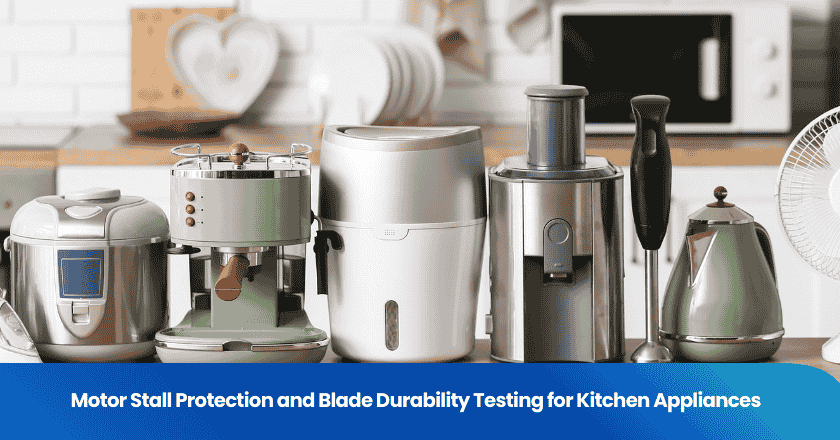
Kitchen appliances operate safely and efficiently when they are designed with robust motor stall protection and durable blades. Laboratory testing evaluates key components for safety and durability before products reach consumers. These evaluations include motor stall simulations, blade fatigue and impact tests, and material performance checks to detect potential failures. Such standardized testing supports long-term reliability and helps prevent hazards during normal use.
Key Takeaways
- Motor stall protection testing prevents overheating and fire hazards. Laboratory simulations identify motor stalls under load, ensuring appliances operate safely.
- Blade durability is verified through standardized mechanical and impact tests. Tests detect nicks, chips, warping, and fatigue to ensure reliable performance.
- High-quality components enhance appliance longevity. Material evaluations (metal parts, sealing, and structural integrity) confirm resistance to wear and operational stresses.
- Standardized testing detects defects before products reach consumers. Lab-based evaluations of electrical and mechanical components help prevent failures and safety hazards.
- Laboratory performance checks support long-term reliability. Testing under repeated operational cycles ensures appliances maintain function and safety over time.
Motor Stall Protection in Kitchen Appliances
What Is Motor Stall Protection?
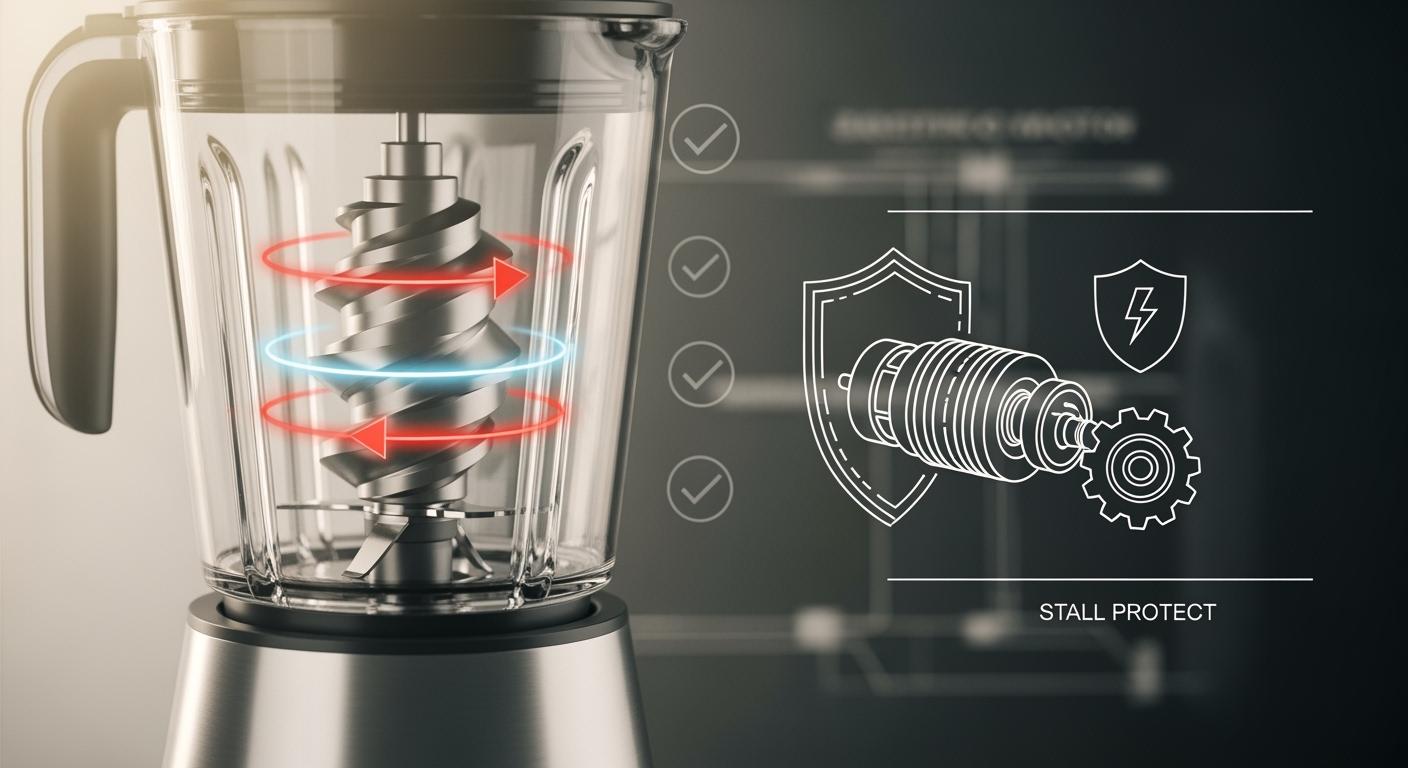
Motor stall protection is a safety mechanism designed to prevent damage to motors in kitchen appliances and other applications by monitoring conditions that indicate a stall, such as excessive current or a drop in rotational speed. Independent laboratory testing evaluates the effectiveness of motor stall protection by simulating stall conditions and monitoring motor response. These tests help ensure that appliances operate safely and minimize risks such as overheating or fire during normal use.
Motor stall protection plays a critical role in preventing fires and other hazards in small kitchen appliances. When motors experience a stall, they can overheat and create fire hazards. This protection system detects a fault before it leads to dangerous outcomes. Fault diagnosis helps identify issues early, reducing the risk of fires and costly recalls. Quality motor stall protection ensures appliances meet certification requirements and maintain high safety standards. Fault detection systems work continuously to monitor motors for abnormal conditions. These systems help prevent fires and protect users from safety hazards.
Many modern appliances feature advanced motor stall protection.
Common Causes of Motor Stalls
Motors in kitchen appliances may stall for several reasons, including overloading, using inappropriate speed settings, or mechanical obstructions. Laboratory tests replicate these conditions to identify potential faults before products are released to consumers. The table below explains how improper use can lead to faults:
| Evidence | Explanation |
|---|---|
| Overloading the blender | Excessive load can cause the motor to stall and overheat. |
| Using low motor speeds for hard foods | Motors may work harder and risk burnout under unsuitable speed settings. |
| Mechanical jams | Blocked blades or gears prevent free rotation, creating heat and stress on the motor. |
These laboratory simulations allow engineers and testers to evaluate appliance performance under real-world stresses, ensuring safety and reliability.
Safety Features and Testing Methods
Appliances include several features to prevent motor stalls and related hazards. Standardized laboratory tests verify their effectiveness:
- Motor and pump protection mechanisms are tested for overload, jam, and phase-loss conditions.
- Thermal performance testing ensures motors do not overheat under extended use or stall conditions.
- Electrical safety testing measures insulation resistance, grounding, and voltage withstand.
- Operational stress tests simulate repeated use to confirm the motor and related components maintain performance without failure.
By performing these standardized evaluations, laboratories identify hazards early and verify that motor protection features perform reliably under typical and extreme conditions.
Blade Durability Checks
Inspecting Blade Integrity
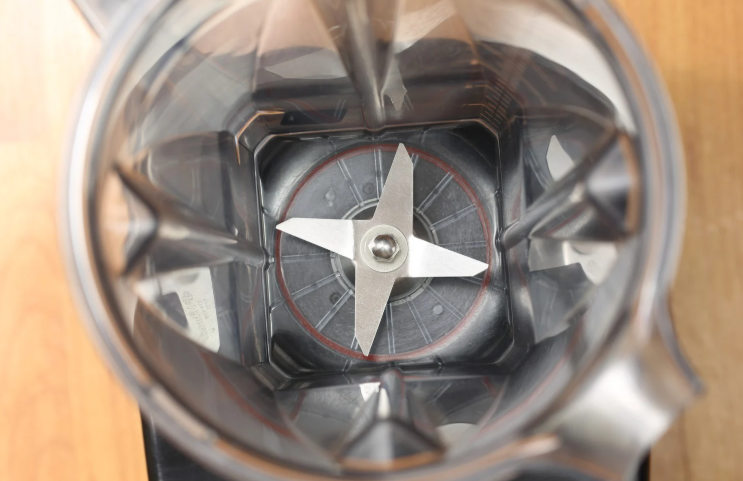
Technicians inspect blades in kitchen appliances to ensure safety and performance. They check for nicks, chips, warping, and cracks before sharpening or assembly. Regular inspections help catch flaws early, preventing accidents and maintaining appliance reliability.
| Inspection Item | Details |
|---|---|
| Knife Condition | Visual checks for nicks, chips, cracks, and deformation. |
| Functional Performance | Cutting tests simulate typical usage to confirm sharpness and effectiveness. |
| Dimensional Accuracy | Measurement of blade dimensions and tolerances to ensure proper fit and balance. |
Mechanical Strength and Impact Resistance
Mechanical strength testing verifies that blades withstand the forces generated during operation. Inspectors use visual checks, hardness tests, weight measurements, and functional tests to confirm durability.
| Test Type | Description |
|---|---|
| Visual Inspection | Check for scratches, cracks, and surface defects; verify dimensions and tolerances. |
| Hardness Testing | Measure hardness to ensure it meets production requirements, affecting wear resistance and lifespan. |
| Weight Inspection | Measure blade weight to identify quality issues if it deviates from standards. |
| Functional Inspection | Conduct cutting and wear tests to ensure performance meets user requirements. |
Impact resistance is measured using methods such as the Izod and Charpy tests. The Izod test clamps the blade vertically and measures energy absorbed during fracture. The Charpy test positions the blade horizontally and strikes it at the midpoint to assess toughness.
- The Izod impact test measures energy absorbed when the blade fractures.
- The Charpy impact test assesses toughness by striking the blade at the midpoint.
Mechanical strength and impact resistance testing ensure blades do not fail during high-speed blending or juicing. These tests help prevent injuries and product recalls.
Durability and Material Verification
Durability testing evaluates how blades perform over time. Fatigue strength tests measure the maximum stress blades can endure under repeated loading. Stainless steel grades 316, 304, and 204 are commonly tested. Stainless steel 316 shows the highest endurance strength, failing at 51,427 cycles under a load of 200 N. Corrosion resistance testing uses salt spray to simulate harsh environments. Stainless steel samples exposed for 360 hours show no rust, confirming their durability.
| Material | Key Features | Applications |
|---|---|---|
| Stainless Steel | Corrosion-resistant, durable, hygienic | Food processing, kitchen knives |
| Carbon Steel | High sharpness, develops patina | Heavy-duty industrial tasks |
| Titanium Alloys | Lightweight, corrosion-resistant | Aerospace, medical, food industry |
High-grade stainless steel, laminated carbon steel, and titanium alloys are preferred for their durability and hygiene.Laboratory evaluations confirm that blade materials meet mechanical, chemical, and hygienic requirements for safe use. Fatigue, hardness, and corrosion tests collectively ensure that blades perform reliably throughout the appliance’s lifespan.
- Fatigue strength testing evaluates endurance under repeated stress.
- Corrosion resistance testing confirms blade durability in harsh environments.
- Inspectors verify material grade, such as "304" stainless steel, for compliance.
Durable blades maintain performance and safety throughout the appliance's lifespan. Material verification and fatigue testing support long-term reliability and user confidence.
Component Quality and Appliance Reliability
Importance of Component Quality
Component quality shapes the reliability and safety of household appliances. High-quality materials, such as metal, increase the lifespan of appliances. Proper sealing and gaskets protect internal parts from moisture and contaminants. These features help maintain quality assurance and reduce the risk of breakdowns. Manufacturers follow industry standards like UL Solutions and IEC 60335-1 to ensure appliances meet strict safety and performance requirements. These standards guide the selection of materials and the design of household appliances.
- The longevity of appliances depends on component quality.
- Metal parts last longer than plastic parts.
- Sealing and gaskets improve durability and protect internal components.
- UL Solutions and IEC 60335-1 set safety and quality benchmarks for household appliances.
Role of Professional Inspection
Professional inspection supports quality control and ensures household appliances operate safely. Inspectors use operational checks and visual assessments to identify defects. They verify error codes and test appliances on standard settings. Inspections help detect issues early, preventing hazards and extending appliance lifespan.
| Benefit | Description |
|---|---|
| Safety Assurance | Inspections identify hazards in faulty electrical connections, protecting households. |
| Cost-Effective Solutions | Professionals diagnose issues quickly, saving repair costs. |
| Extended Appliance Lifespan | Regular inspections address problems early, reducing replacements. |
| Peace of Mind | Expert handling provides reassurance and confidence in appliance reliability. |
| Inspection Method | Description |
|---|---|
| Operational Checks | Inspectors verify appliance functionality and error codes. |
| Visual Assessments | Inspectors spot visible defects and installation issues. |
Handling Critical Defect
Critical defects are failures in key components—such as motor function, blade integrity, or structural parts—that could compromise appliance safety or performance. Appliances exhibiting such defects must be addressed immediately, whether through redesign, repair, or replacement of faulty components. Identifying and managing critical defects ensures that appliances operate reliably and safely, reducing the risk of accidents, malfunction, or premature failure during normal use.
Common Potential Risks in Household Appliances
Different types of household appliances carry specific safety risks if defects or malfunctions occur. Understanding these hazards helps users and manufacturers prioritize safety measures:
| Appliance Type | Potential Risks |
|---|---|
| Pressure cookers | Explosive release of steam causing burns |
| Microwaves | Self-starting may lead to home fires |
| Refrigerators | Defective compressors can ignite |
| Dishwashers | Faulty wiring can spark during wash cycles |
| Ranges | Gas leaks create explosive hazards |
| Electrical appliances | Shocks from metal surfaces, radiation exposure |
| Mechanical failures | Unexpected activation or falling parts |
| Chemical exposure hazards | Leaks of refrigerants or carbon monoxide |
Key Point: Identifying potential risks in different appliance types is essential for design, maintenance, and user safety.
Maintenance and User Best Practices
Routine Maintenance Tips
Regular care helps maintain the quality and performance of kitchen appliances. Users should clean microwaves with a mixture of water and vinegar or lemon to remove food residue. Deep cleaning the refrigerator every three months with baking soda and warm water prevents odors and keeps food fresh. Washing machines benefit from monthly cleaning with baking soda to deodorize and maintain function. Dryers should be wiped with a microfiber cloth, and users should limit dryer sheets to avoid residue buildup. Dishwashers require checks for food debris after each cycle to ensure cleanliness and efficiency.
Daily cleaning prevents food residue buildup, while weekly inspections of blades and lubrication of moving parts support long-term quality. Monthly deep cleaning removes mineral deposits and prevents corrosion. Light maintenance should occur daily and weekly, with deeper professional servicing scheduled monthly or quarterly, depending on usage and manufacturer recommendations.
Recognizing Warning Signs
Early detection of problems protects both users and the quality of appliances. The table below lists common warning signs and their implications:
| Warning Sign | Implication |
|---|---|
| Grinding or squealing sounds | Indicates bearing wear |
| Excessive heat | Signals overload or cooling problems |
| Tripped breakers | Suggests electrical faults or motor damage |
| Persistent grinding with light loads | Indicates internal mechanical failure |
| Smell of burning plastic or insulation | Suggests motor overheating or electrical fault |
| Smoke or sparks from the base | Immediate shutdown required; do not reuse |
| Frequent stalling or tripping breakers | Points to advanced motor deterioration |
Other symptoms include inefficiency in cleaning, strange noises, water not draining, and leaks. These issues may signal declining quality or potential safety risks.
Following Manufacturer Guidelines
Manufacturers provide specific instructions to maintain the quality and safety of appliances. Users should follow the manual for proper maintenance. Overloading appliances can cause overheating and wear, so it is important to avoid this practice. Keeping appliances dry and clean prevents damage from moisture. Manufacturer guidelines ensure appliances operate safely and efficiently. Installation manuals offer model-specific instructions, helping users avoid common mistakes. Safety warnings highlight hazards and preventive measures, supporting user safety. Compliance with these guidelines protects both consumers and manufacturers, ensuring product quality and reliability.
User Checklist for Appliance Safety and Quality
A simple checklist can help users maintain appliance performance and safety:
| Checklist Item | Description |
|---|---|
| Equipment Conditions | Examine cleanliness, maintenance, and functionality for safety. |
| Kitchen Opening | Turn on utilities, pre-heat equipment, and check temperatures. |
| Food/Kitchen Preparation | Follow food safety protocols during service preparation. |
| Kitchen Cleaning | Maintain cleanliness to meet health requirements and support quality. |
| Kitchen Closing | Store food properly, check refrigeration, and secure the facility. |
Regular care and a focus on quality help appliances last longer and perform better.
Conclusion: Motor Protection and Blade Durability
Motor stall protection and blade durability are essential for kitchen appliance safety. Ensuring proper component quality and addressing defects promptly helps maintain appliance reliability, reduce the risk of accidents, and extend appliance lifespan. Regular evaluation of motor performance and blade integrity—whether during development, testing, or maintenance—supports long-term safe operation.
FAQ
What is motor stall protection and why does it matter?
Motor stall protection stops the motor when it faces too much resistance. This feature prevents overheating and fire hazards. Manufacturers use this technology to keep appliances safe and reliable.
How do inspectors check blade durability in kitchen appliances?
Inspectors use actual use tests, hardness measurements, and material verification. They look for cracks, chips, and signs of wear. These checks ensure blades stay strong and safe during operation.
What happens if an appliance fails a critical defect test?
TradeAider classifies failures in motor safety or blade integrity as critical defects. If inspectors find one, the entire batch fails inspection. Manufacturers must fix the issue before selling the appliances.
Which materials make blades more durable?
| Material | Durability | Hygiene |
|---|---|---|
| Stainless Steel | High | Excellent |
| Carbon Steel | Medium | Good |
| Titanium Alloy | High | Excellent |
Stainless steel and titanium alloys resist corrosion and wear. These materials help blades last longer.
How does real-time reporting improve appliance safety?
Real-time reporting lets manufacturers see test results instantly. They can fix problems before appliances reach customers. This process reduces recalls and builds trust in the product.
Artículos Relacionados

Haga crecer su negocio con el Servicio TradeAider
Haga clic en el botón de abajo para ingresar directamente al Sistema de Servicios TradeAider. Los pasos simples desde la reserva y el pago hasta recibir los informes son fáciles de operar.

