
- About Us

- Our Services
- Your Industry
- Resources
- News & Blog
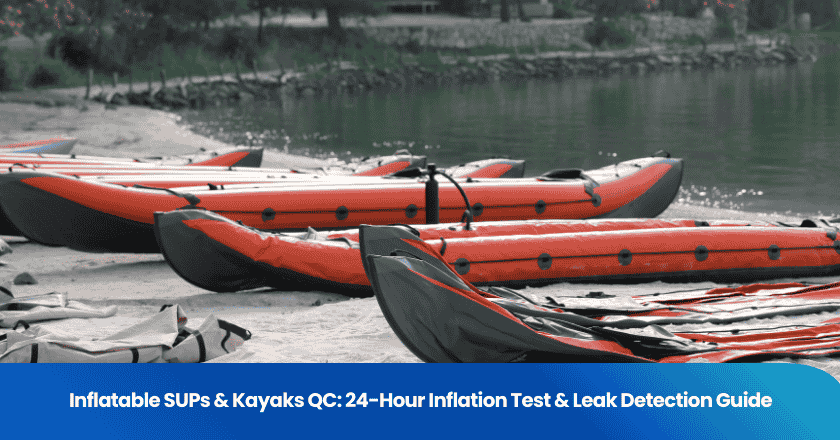
Inflatable water sports offer excitement and adventure, but safety relies entirely on the integrity of your gear. Whether it's a Stand-Up Paddleboard (SUP) or a kayak, these vessels must hold air reliably under various conditions. Regular quality control checks, specifically inflation retention tests, are critical for preventing dangerous failures on the water. Experts know that even a microscopic leak can compromise stability and safety.
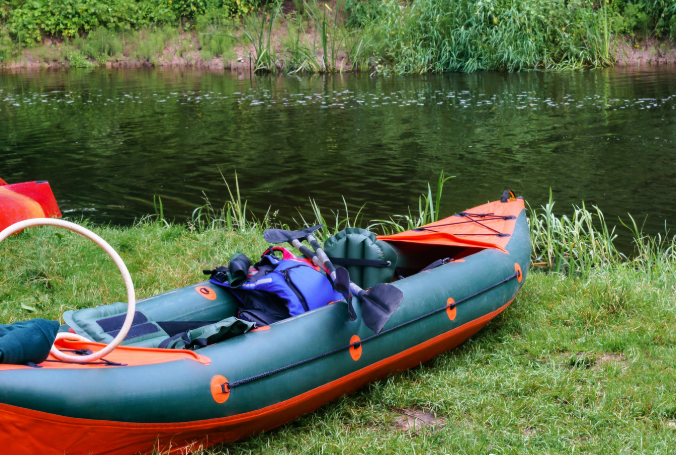
- The USCG recommends periodic inflation checks to prevent accidents.
- Undetected leaks or fabric weaknesses can lead to deflation far from shore.
- Gear that passes rigorous retention tests supports a strong safety record.
Key Takeaways
- Regularly test inflatable gear for air retention to ensure safety and reliability.
- Perform thorough safety checks before use to prevent accidents and maintain performance.
- Use soapy water and listening techniques to detect leaks effectively.
- Keep a repair kit handy for quick fixes to extend the life of inflatable kayaks and SUPs.
- Follow proper maintenance practices to enhance durability and ensure readiness for adventures.
Preparing Inflatable Water Sports Gear
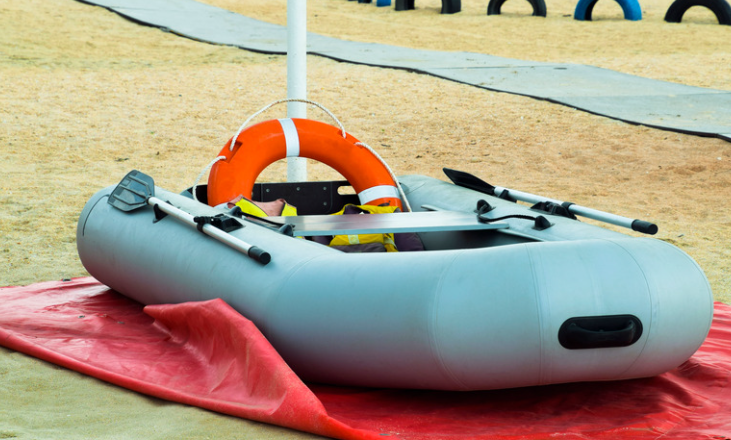
Materials and Setup
Successful outings begin with the right preparation. Ensure you have all necessary components before inflating your vessel:
- Air pump: High-capacity manual or electric pumps are essential.
- Pressure gauge: Critical for verifying the correct PSI to ensure rigidity.
- Valve adapter: Connects the pump hose securely to the board or boat.
- Repair kit: Essential for emergency patches.
- Safety gear: PFD (Personal Flotation Device) and leash.
Safety Checks
Before inflating, perform a quick visual scan:
- Clear the setup area of sharp objects or debris to prevent punctures.
- Unroll the kayak or SUP and inspect the hull for visible abrasions or deep scratches.
- Check the valve assembly for dirt or sand that might compromise the seal.
- Ensure the pump hose and seals are intact.
Inflation Retention Testing

24-Hour Pressure Test Steps
The 24-hour inflation retention test is the gold standard for verifying air-tightness. This procedure confirms that the vessel maintains stability over time.
- Inflate the item to the manufacturer's recommended working pressure (e.g., 15 PSI for SUPs).
- Secure the valve cap tightly.
- Record the initial pressure reading and the ambient temperature.
- Leave the item undisturbed for 24 hours in a temperature-controlled environment.
- Check the pressure again. A drop of more than 5-10% (accounting for temperature changes) indicates a potential leak.
Tip: Temperature fluctuations affect pressure. Air expands in heat and contracts in cold. Testing indoors minimizes these variables for more accurate results.
Monitoring and Recording Results
Accurate monitoring is essential. Using a digital pressure gauge provides more precise readings than analog dial gauges.
| Tool Type | Best Use | Benefit |
|---|---|---|
| Digital Gauge | Precision testing | Accurate to 0.01 PSI |
| Analog Gauge | General inflation | No batteries required |
Maintain a log of your tests, noting the date, initial pressure, final pressure, and any environmental factors. Consistent documentation helps identify slow leaks that might otherwise go unnoticed.
Leak Detection Methods
Visual Inspection for Quality
A thorough visual inspection is your first defense. Inspect seams, valve perimeters, and high-stress areas (like fin boxes or handle attachments).
- Look for delamination (bubbling) at seams.
- Check for worn fabric or discoloration.
- Inspect the valve mechanism for cracks.
Soapy Water and Listening Techniques
If a pressure test fails but no damage is visible, use the soapy water method:
- Mix water and dish soap in a spray bottle.
- Inflate the board/kayak fully.
- Spray the solution over valves, seams, and suspect areas.
- Look for growing bubbles, which indicate escaping air.
Additionally, in a quiet room, you can often hear the faint hissing of a leak. Combining these methods ensures comprehensive detection.
| Method | Effectiveness | Best For |
|---|---|---|
| Visual | Medium | Large tears, seam failure |
| Soapy Water | High | Pinholes, valve leaks |
| Listening | Low/Medium | Quiet environments, faster leaks |
Repairing Leaks and Ensuring Durability
Quick Fixes and DIY Repairs
Small punctures are easily repairable with a standard kit. Key steps include:
- Clean: Use alcohol or acetone to remove dirt and grease from the repair area.
- Patch: Cut a PVC patch larger than the hole, rounding the corners to prevent peeling.
- Glue: Apply a specialized PVC adhesive to both the patch and the hull. Let it become tacky before pressing them together.
- Cure: Use a hard roller to remove air bubbles and ensure a strong bond. Allow to cure for 24 hours.
When to Seek Professional Help
For large tears (over 2 inches), seam failures, or valve replacements, consult a professional repair service or the manufacturer. DIY repairs on structural seams can be dangerous if they fail under pressure.
Maintenance for Long-Term Durability
Proper care significantly extends lifespan. Rinse gear with fresh water after every use, especially in saltwater. Store it loosely rolled or inflated (at low pressure) in a cool, dry place away from direct sunlight, which degrades PVC.
| Maintenance Activity | Frequency | Benefit |
|---|---|---|
| Freshwater Rinse | After every use | Prevents corrosion and mold |
| UV Protection | Always (Storage) | Prevents material brittleness |
| Valve Check | Monthly | Ensures airtight seal |
Regular testing and maintenance keep inflatable water sports equipment safe and reliable. Routine inspections help users spot problems early, protecting both safety and enjoyment. Making these checks part of every outing ensures gear stays ready for adventure.
FAQ
How often should users test inflation retention?
Experts recommend testing inflation retention at the start of each season and periodically throughout (e.g., every few trips) to ensure integrity.
What tools help detect leaks?
A spray bottle with soapy water is the most effective tool. A digital pressure gauge is also crucial for confirming pressure loss before searching for the leak source.
Can small leaks be repaired at home?
Yes, pinholes and small punctures are easily fixed with a standard PVC repair kit included with most inflatables.
Does temperature affect inflation retention tests?
Yes. Air pressure drops in cold and rises in heat. A pressure change without a leak is normal if the temperature has shifted significantly during the test period.
What maintenance extends the life of inflatables?
Rinsing with fresh water, drying completely before storage, and keeping the gear out of direct sun when not in use are the most important steps.

Related Articles

Grow your business with TradeAider Service
Click the button below to directly enter the TradeAider Service System. The simple steps from booking and payment to receiving reports are easy to operate.

