
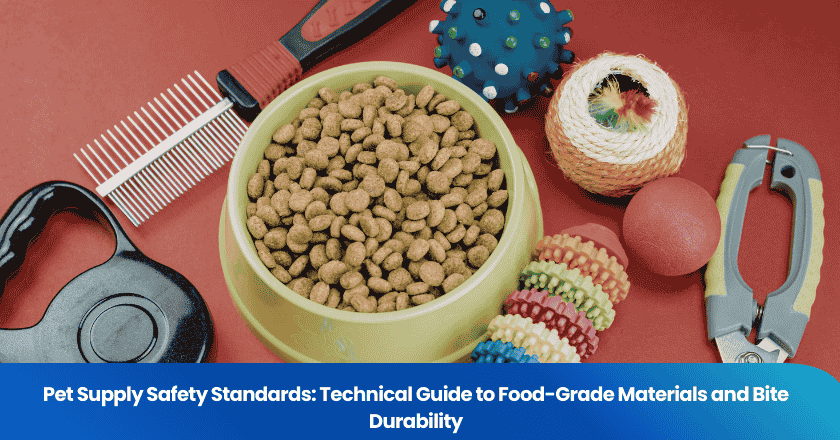
The pet supply industry has undergone a paradigm shift in safety expectations, moving away from generic plastics toward biocompatible, food-grade materials. In the technical assessment of Hardline Pet Products, safety is not merely a label but a result of rigorous chemical analysis and mechanical stress testing. Ensuring that a pet bowl is free from leachable toxins or that a chew toy can withstand the thousands of Newtons of force generated by a dog's jaw is essential for product longevity and animal health. This guide explores the technical frameworks governing FDA compliance, chemical hazard testing, and the mechanical engineering of bite durability.

The Chemistry of Food-Contact Materials in Pet Supplies
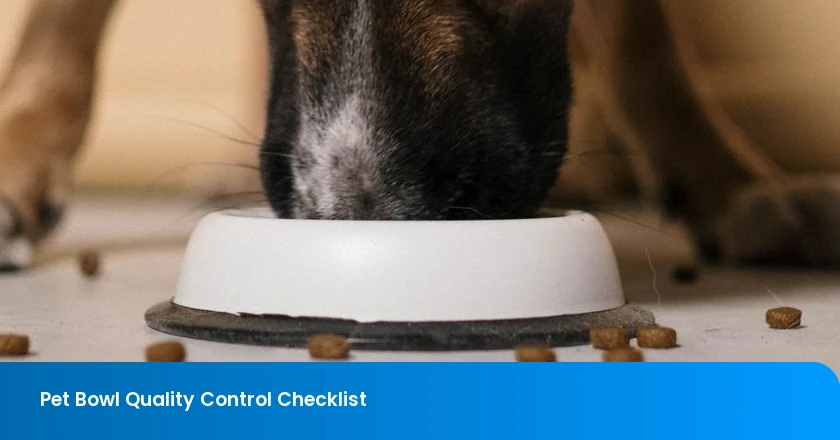
Pet bowls and slow feeders are in constant contact with food and water, making them potential vectors for chemical leaching. In the United States, although pets are not explicitly covered by all human food safety laws, industry best practices dictate adherence to FDA 21 CFR 177 standards. These regulations cover polymers, rubber articles, and metallic coatings to ensure that indirect food additives do not migrate into the animal's diet.
Migration Testing: SML and OML Analysis
Technical compliance requires two types of migration testing. Overall Migration Limit (OML) measures the total amount of non-volatile substances that transfer from the material to a food stimulant. Specific Migration Limit (SML) targets known toxic substances such as Bisphenol A (BPA) or primary aromatic amines. For silicone and plastic feeders, these tests are performed using stimulants like 3% acetic acid (to simulate acidic foods) and 10% ethanol.
| Material Class | Technical Specification | Safety Advantage |
|---|---|---|
| Austenitic Stainless Steel | AISI 304 (18/8) | High corrosion resistance; non-porous; zero leaching |
| Food-Grade Silicone | FDA 21 CFR 177.2600 | Thermal stability from -40'C to 230'C; BPA-free |
| High-Density Polyethylene | HDPE (Resin Code 2) | High impact strength; chemical resistance to fats |
| Borosilicate Glass | Lead-Free Annealed | Chemically inert; ideal for sensitive animals |
Quality assurance professionals often recommend 304-grade stainless steel over 201-grade. While 201 is cheaper, it contains higher Manganese levels and is prone to pitting corrosion, which can harbor pathogenic bacteria like Salmonella or E. coli.
Chemical Hazard Analysis and Restricted Substances
Beyond food contact, the entire supply chain must be screened for restricted substances. Heavy metals—Lead, Cadmium, Mercury, and Hexavalent Chromium—are often found in low-quality pigments or recycled plastics used in pet toys. These elements are bioaccumulative, meaning they build up in the pet's organs over time, potentially leading to renal failure or neurological damage.
Heavy Metal Limits (ASTM F963 / EN 71-3)
While designed for children's toys, ASTM F963 is the gold standard used during pet supply quality inspections. It limits soluble Lead to 90 ppm. Manufacturers of premium pet products often go further, ensuring their coatings meet "lead-free" status (less than 10 ppm) to prevent toxic ingestion during aggressive chewing.
Technical Alert: Phthalates (used as plasticizers in PVC toys) are of particular concern. Substances like DEHP and DBP can leach into a pet's saliva during play. Always specify Phthalate-free TPE (Thermoplastic Elastomer) for chew-intensive supplies.
Mechanical Engineering of Bite Durability
A chew toy's primary failure mode is structural fragmentation. If a dog can tear a toy into pieces smaller than 3cm, it becomes a severe choking hazard or an intestinal blockage risk. Bite durability testing utilizes mechanical force to simulate a pet's destructive chewing habits.
Tension, Torque, and Compression Tests
To verify structural integrity, products undergo several mechanical assessments:
- Tension Test: A universal testing machine applies a specific pull force (often 70-90 Newtons) to protruding parts (like ears on a rubber toy) to ensure they do not detach.
- Torque Test: Components are twisted to verify they won't snap under the rotational force of a pet's jaw.
- Compression Test: Evaluates the material's ability to recover its shape after high-pressure biting. High-rebound TPE is favored here for its "self-healing" properties.
| Test Type | Standard Protocol | Failure Criteria |
|---|---|---|
| Drop Test | 1.5m height onto concrete (10 cycles) | Cracking or creation of sharp edges |
| Fits in 31.7mm x 57.1mm cylinder | Any fragment fitting in the cylinder fails | Small Part Cylinder |
| Bite Force Simulation | Static load of 500+ lbs | Permanent deformation or puncture |
Manufacturing Quality Control and Factory Audits
Technical specifications mean little without execution. For importers, quality control and assurance must be integrated into the production cycle. A factory producing high-end chew toys must have a clean "raw material storage" area to prevent cross-contamination with industrial-grade resins.
A comprehensive factory audit should verify the use of "virgin" resins rather than reground scrap material, as reground plastic loses its molecular chain length, significantly reducing its bite resistance. Furthermore, standardized product inspections should include a "Smell Test"; a strong chemical odor often indicates residual solvents or low-quality vulcanization agents in rubber toys.
Material Selection: TPE vs. Natural Rubber
When engineering durable chew toys, the choice usually falls between Natural Rubber and Thermoplastic Elastomers (TPE). Natural rubber offers superior tear strength but can be difficult to mold into complex shapes. TPE/TPU (Thermoplastic Polyurethane) allows for precise injection molding and can be engineered to specific "Shore Hardness" levels. For "aggressive chewers," a Shore A hardness of 80-90 is typical, whereas "teething toys" for puppies usually sit between Shore A 40-50 to protect soft gums.
Maintenance and User Safety Protocols
No material is 100% indestructible. The safety of a pet supply item is also a function of its maintenance. Owners and professional pet handlers should follow these technical protocols:
- Cycle Replacement: Even food-grade plastic bowls develop microscopic scratches over time that harbor biofilm. These should be replaced every 12-24 months.
- Thermal Degradation: Never microwave plastic or silicone pet bowls unless they are specifically labeled for high-temp use, as heat accelerates chemical migration.
- Visual Integrity Check: Any toy showing "whitening" of the plastic (stress marks) or "fraying" of rubber should be decommissioned immediately.
By prioritizing products that have passed rigorous Hardline Product testing, stakeholders in the pet industry can ensure they are providing solutions that are as safe as they are functional.
FAQ
Is "FDA Approved" the same as "Food Grade"?
Not exactly. "Food Grade" means the material is suitable for food contact, whereas "FDA Approved" usually means the specific final product or the specific resin formulation has been reviewed and cleared by the FDA for its intended use case.
Why are heavy metals found in pet toys?
Contamination usually occurs through the use of low-cost pigments (Lead in yellow/red dyes) or the use of recycled electronic plastics that contain flame retardants and Cadmium. Proper third-party testing is the only way to detect these invisible hazards.
What is the safest material for a dog bowl?
From a technical standpoint, AISI 304 Stainless Steel is the superior choice. It is non-porous, does not leach chemicals, and can be sanitized at high temperatures without losing its structural integrity.
Can toys cause dental fractures?
Yes. If a toy is too hard (e.g., natural bone or hard nylon), it can exceed the structural strength of the pet's tooth enamel. A safe chew toy should have enough "give" or flexibility to cushion the bite force while remaining durable enough not to break.
How can I verify a manufacturer's safety claims?
Always ask for a copy of the Laboratory Test Report (e.g., from SGS, ITS, or TUV). The report should list the specific model number of the product and show passing results for heavy metals (ASTM F963) and food contact (FDA 21 CFR).
Related Articles
Grow your business with TradeAider Service
Click the button below to directly enter the TradeAider Service System. The simple steps from booking and payment to receiving reports are easy to operate.

