
- О нас

- Наши услуги
- Ваша отрасль
- Ресурсы
- Новости и блог
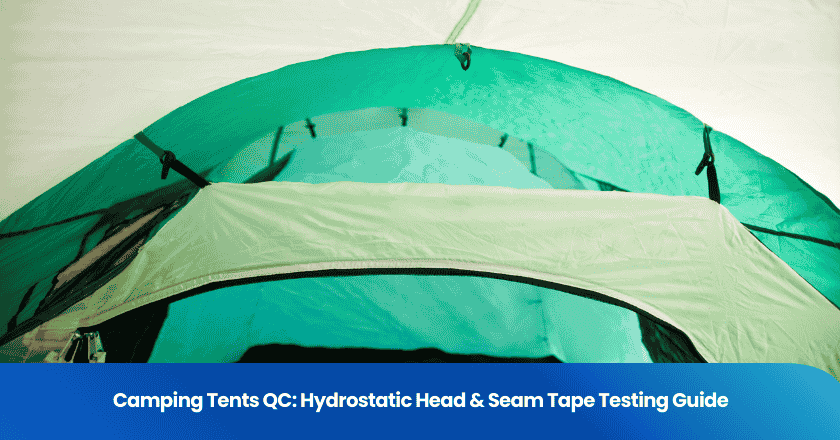
When dark clouds roll in, campers rely on two critical quality control measures to keep their shelter dry: Hydrostatic Head Testing and Seam Tape Checks. These QC procedures are vital for evaluating a tent's water resistance. Understanding these metrics helps buyers choose reliable gear and allows manufacturers to ensure their products withstand challenging weather conditions.

Real-world performance relies on lab results translating to actual protection. Campers need assurance that metrics like "2000mm HH" actually mean staying dry during a storm.
Key Takeaways
- Hydrostatic head testing quantifies water resistance. A higher rating indicates superior ability to withstand water pressure.
- Seam tape integrity is non-negotiable. It prevents leaks at stitch lines, creating a continuous waterproof barrier.
- Regular inspections for wear and tear are essential. UV exposure and abrasion can degrade coatings over time.
- When selecting a tent, prioritize both the hydrostatic rating and the quality of seam construction.
- Understand the waterproof rating system to make informed purchasing decisions.
Do QC Tests Guarantee a Waterproof Tent?
What Hydrostatic Head and Seam Tape Tests Show
Quality control tests provide a baseline for a tent's capabilities. They focus on two primary areas:
- Fabric Integrity: Hydrostatic head testing measures the pressure at which water penetrates the material. The standard failure threshold is often defined as three visible drops of water leaking through.
- Seam Security: Tape peeling checks ensure the seal over stitching is strong. If the tape lifts, the needle holes become entry points for rain.
Real-World Factors Affecting Waterproofness
While lab data is crucial, environmental stressors play a huge role. UV radiation, humidity fluctuations, and temperature extremes accelerate the degradation of PU (polyurethane) coatings. Over time, a tent that passed initial QC might leak if not maintained.
Wind pressure drives rain against fabric with force, testing the limits of hydrostatic ratings. Additionally, dirt and abrasion from regular use wear down protective layers. Regular maintenance and re-waterproofing are necessary to sustain the performance verified by initial QC tests.
Hydrostatic Head Waterproof Testing Explained
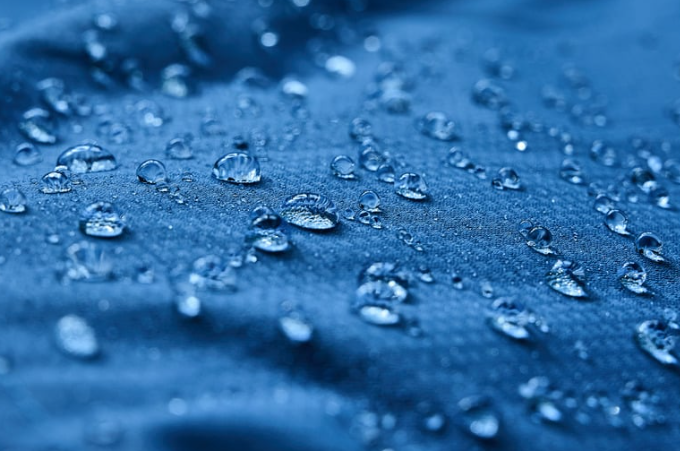
What Is Hydrostatic Head?
Hydrostatic Head (HH) is the standard metric for measuring waterproofness. It indicates the height of a column of water (in millimeters) that a fabric can support before leaking. For instance, a 2000mm rating means the fabric can hold back a 2-meter column of water. This measurement is essential for both hardline and softline quality control.
How the Test Is Performed
QC teams use specialized testers to apply pressurized water to fabric samples:
- Dynamic Test: Water pressure is increased at a steady rate until water droplets appear on the reverse side.
- Static Test: A specific pressure is maintained for a set time (e.g., 10 minutes) to check for seepage.
Inspectors often customize these procedures based on client requirements or specific market standards.
Interpreting Hydrostatic Head Ratings
While higher numbers generally mean better protection, the rating isn't the only factor. A 3000mm floor is robust, but a 1500mm rainfly is often sufficient for standard camping if the seams are well-sealed. International standards ensure consistency in these measurements:
| Standard | Description |
|---|---|
| ISO 811 | Global method for determining resistance to water penetration. |
| ASTM D751 | Standard for coated fabrics (rubber/plastics). |
| AATCC 127 | US textile standard for water resistance under hydrostatic pressure. |
| EN 20811 | European norm for hydrostatic pressure testing. |
Seam Tape Peeling Strength and Tent Durability
Why Seam Tape Matters
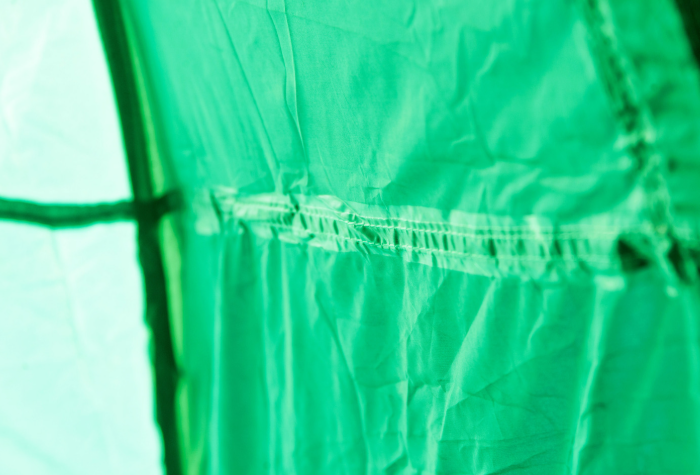
Seams are the weakest point in any waterproof garment or shelter. Needle holes create direct paths for water ingress. Manufacturers apply heat-sealed tape over these stitches to create a waterproof barrier. If this tape peels, the tent's integrity is compromised, regardless of the fabric's quality.
How Peeling Strength Is Tested
QC teams measure the force required to peel the tape from the fabric. This ensures the adhesive bond is strong enough to withstand folding, packing, and temperature changes.
| Test Method | Description |
|---|---|
| ASTM D3330 | Standard for peel adhesion of pressure-sensitive tape. |
| ISO 11339 | T-peel test for flexible-to-flexible bonded assemblies. |
| PSTC-101 | Focused on peel adhesion for various tape types. |
Buyers should look for tents verified by these standards, as strong seam tape significantly extends a tent's lifespan.
Visual and Physical Performance Checks
Beyond lab machines, inspectors perform manual checks:
- Visual: Looking for bubbles, wrinkles, or lifting edges in the tape.
- Physical: Gently tugging on the tape to verify bond strength.
Campers can perform similar checks at home before a trip to avoid surprises in the field.
Choosing a Waterproof Tent: What to Look For
Comparing Hydrostatic Head and Other Standards
Understanding the numbers helps match the gear to the environment.
| Rating (mm) | Protection Level | Best Use Case |
|---|---|---|
| < 1,000mm | Water Resistant | Light showers, summer camping. |
| 1,500mm - 3,000mm | Waterproof | Standard 3-season camping, moderate rain. |
| 3,000mm+ | Highly Waterproof | Expeditions, heavy storms, winter use. |
Practical Tips for Tent Buyers
Before purchasing, consider these factors:
- Climate: For wet environments, look for fly ratings above 2000mm and floor ratings above 3000mm.
- Construction: Ensure the description mentions "fully taped seams" or "sealed seams."
- Maintenance: Even the best waterproof ratings degrade. Plan to re-seal seams and apply DWR (Durable Water Repellent) sprays periodically.
Hydrostatic head testing and seam tape checks are the pillars of tent quality control. While ratings like 1500mm or 3000mm provide a guide, the construction quality—specifically seam sealing—determines real-world performance. Campers should inspect their gear regularly and understand that waterproofing is a feature that requires maintenance.
| Brand Category | Typical HH Rating | Heavy Rain Performance |
|---|---|---|
| Budget / Entry Level | 450mm - 600mm | Short duration (30-60 mins) |
| Standard Outdoor | 1,200mm - 2,000mm | Sustained rain (Hours/Days) |
| Expedition / High End | 3,000mm+ | Extreme conditions |
FAQ
What does a waterproof rating mean for a camping tent?
It represents the water pressure (measured in millimeters) the fabric can withstand before leaking. Higher numbers indicate better resistance to heavy rain.
How often should campers check their tent's waterproof features?
Inspect seams and fabric coatings before every major trip. At a minimum, perform a detailed check annually.
Can seam tape affect the waterproof performance of a tent?
Absolutely. Seam tape seals the needle holes created during manufacturing. If it peels or cracks, the tent will leak regardless of the fabric quality.
Do all tents use the same waterproof testing standards?
Most reputable brands follow ISO or ASTM standards, but testing protocols can vary. Always look for specific HH ratings rather than vague terms like "waterproof."
What should buyers do if their tent loses its waterproof ability?
Clean the tent and reapply a DWR coating to the fabric. For peeling seams, remove the old tape and apply a seam sealer or new tape.

Похожие статьи
Развивайте свой бизнес с услугами TradeAider
Нажмите кнопку ниже, чтобы войти непосредственно в систему услуг TradeAider. Простые шаги от бронирования и оплаты до получения отчетов легко выполнить.

