
- О нас

- Наши услуги
- Ваша отрасль
- Ресурсы
- Новости и блог
Toy packaging compliance is a critical safeguard for both children and businesses. Adhering to standards like CPSIA not only ensures safety in the marketplace but also shields companies from significant risks. Failure to meet these requirements can lead to severe consequences, including fines, legal penalties, costly product recalls, and reputational damage. Third-party inspections, such as Pre-Shipment Inspection or Amazon FBA Inspection, are essential tools to verify that every package meets strict regulatory rules.
Key Takeaways
- Ensure all toy packaging includes compliant warning labels that clearly state hazards and provide safety instructions.
- Conduct regular third-party inspections to verify adherence to safety standards and prevent costly recalls.
- Use proper labeling techniques for poly bags, including mandatory suffocation warnings and vented holes.
- Implement traceability codes (barcodes, FNSKU) on all products to support quick recalls and inventory management.
- Stay updated on evolving regulations to maintain safety and avoid legal penalties.
CPSIA Warning Label Compliance
Required Label Content and Placement
CPSIA warning label requirements are central to packaging compliance. The Consumer Product Safety Improvement Act (CPSIA) and ASTM F963-17 dictate specific rules. Every label must include the word "WARNING," a safety alert symbol, and a clear hazard statement. For instance, toys with button batteries require specific alerts about ingestion hazards and instructions for seeking medical attention.
Inspectors verify labels on the main display panel or near the opening area to ensuring visibility. The table below summarizes key content requirements:
| Requirement Type | Description |
|---|---|
| Manufacturer Info | Name and address of the manufacturer. |
| Age Recommendations | Clear age grading (e.g., "3+"). |
| Hazard Warnings | Specific warnings (e.g., "Small Parts"). |
| Tracking Codes | Batch/Date codes for traceability. |
| Button Battery Warning | "INGESTION HAZARD" statement and medical advice. |
Tip: Always verify that the warning label matches the product's actual hazards (e.g., small parts vs. small balls).
Rubbing Test for Label Permanence
Inspectors perform a "rubbing test" to check label durability. A cloth or finger is rubbed against the label for a set number of cycles. If the label fades, smears, or peels, it fails compliance standards. Permanent labels are crucial for ensuring safety information remains legible throughout the product's lifecycle.
Common Labeling Mistakes
Frequent errors that lead to non-compliance include:
- Mislabelling products as "Not a Toy" to evade regulations.
- Missing required information like manufacturer addresses or tracking codes.
- Using unreadable fonts or placing labels in obscured locations.
Penalties for these mistakes range from product seizure at customs to Amazon listing suspensions and civil penalties up to $100,000 per violation.
Suffocation Hazard and Poly Bag Safety
Poly Bag Warning Requirements
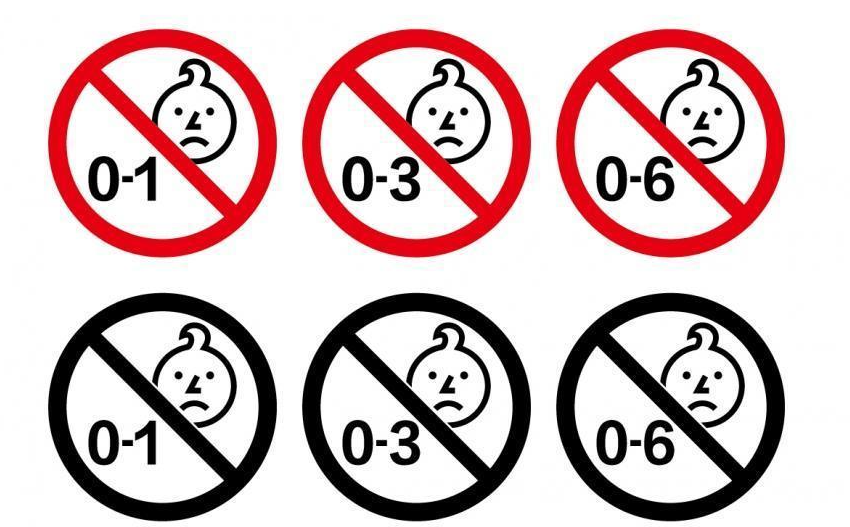
Suffocation warnings are mandatory for flexible film packaging. Amazon FBA and many state laws require warnings on bags with openings of 5 inches or larger. Key requirements include:
- Label must start with "WARNING."
- Text must describe the suffocation risk (e.g., "Keep away from babies and children").
- Font size must correspond to bag size (10pt to 36pt).
- Multi-language warnings are recommended for international markets.
Physical Safety Features (Vented Holes)
To reduce suffocation risks, bags with openings larger than a specific diameter (often 18cm) typically require vented holes. These holes allow air passage, preventing the bag from forming a seal over a child's face. Missing holes or warnings are common grounds for inspection failure.
| Feature | Purpose | Inspection Focus |
|---|---|---|
| Vented Holes | Allow air passage | Presence and hole size |
| Warning Label | Inform about hazards | Visibility, font size, and text accuracy |
Traceability Codes for Toy Packaging Compliance
Barcode and FNSKU Label Checks
Traceability codes are vital for supply chain tracking and safety recalls. Inspectors check barcodes (UPC/EAN) and Amazon FNSKU labels for accuracy and scanability.
| Requirement | Description |
|---|---|
| Barcode Type | GS1 standard UPC or Amazon FNSKU. |
| Label Size | Typically 1" x 2" or 1" x 3". |
| Placement | Must be on a flat surface, not covering other info. |
Barcode Scan Test and Label Accuracy
Inspectors use scanners to verify readability. Common errors include placing labels on curves (making them unreadable), poor print quality (blurred lines), or overlapping stickers. These issues can cause inventory to be stranded at fulfillment centers.
Placement and Legibility
Tracking information must be permanently affixed to the product and packaging. It generally includes the manufacturer's name, location, date of production, and batch number. Illegible or missing codes can lead to shipment rejections and vendor chargebacks.
General Packaging Safety and Inspection
Content Accuracy and Shipping Marks
Inspectors verify that package contents match the printed description, model number, and quantity. They also check age recommendations and shipping marks. Discrepancies, such as misspelled names or unclear handwriting, can cause customs delays.
| Requirement | Details |
|---|---|
| Compliance Tests | Valid EN71/ASTM reports and Declaration of Conformity (DoC). |
| CE Marking | Mandatory for EU; requires valid supporting test reports. |
| Importance | Ensures zero delays and builds buyer confidence. |
Carton Drop Test and Packaging Integrity
The carton drop test evaluates whether packaging can withstand shipping stress. A carton is dropped ten times from various angles onto a hard surface. Inspectors then check for product damage or compromised retail packaging. Failures here indicate a need for sturdier packaging materials.
Third-Party Inspection Process
Third-party agencies define quality control checklists, inspect at multiple stages, and ensure corrective actions are taken. This proactive approach reduces the risk of defects and recalls.
| Benefit | Description |
|---|---|
| Reduced Risk | Lowers incidence of defective products and recalls. |
| Cost Savings | Avoids rework, returns, and penalties. |
| Regulatory Compliance | Ensures adherence to international safety laws. |
Toy packaging compliance demands rigorous attention to safety, labeling, and traceability. Companies must adhere to the Consumer Product Safety Improvement Act (CPSIA) and verify compliance through accredited testing and third-party inspections. By ensuring robust packaging, correct warning labels, and accurate tracking codes, businesses protect children and secure their market position.
FAQ
What is the rubbing test for toy packaging labels?
It checks label durability. Inspectors rub the label with a cloth or finger to ensure it remains legible and doesn't fade, ensuring safety info stays visible during shipping.
When must poly bags have suffocation warnings?
Generally, bags with openings of 5 inches or larger, or those thinner than 1 mil, require warnings. Amazon FBA mandates warnings on virtually all poly bags to prevent accidents.
Why are traceability codes important?
Codes like barcodes and batch numbers allow manufacturers to track products through the supply chain, facilitating targeted recalls and ensuring legal compliance.
What benefits do third-party inspections offer?
They identify safety risks and labeling errors before shipping, preventing fines, recalls, and customer complaints while ensuring regulatory compliance.
Похожие статьи
Развивайте свой бизнес с услугами TradeAider
Нажмите кнопку ниже, чтобы войти непосредственно в систему услуг TradeAider. Простые шаги от бронирования и оплаты до получения отчетов легко выполнить.

