
- О нас

- Наши услуги
- Ваша отрасль
- Ресурсы
- Новости и блог
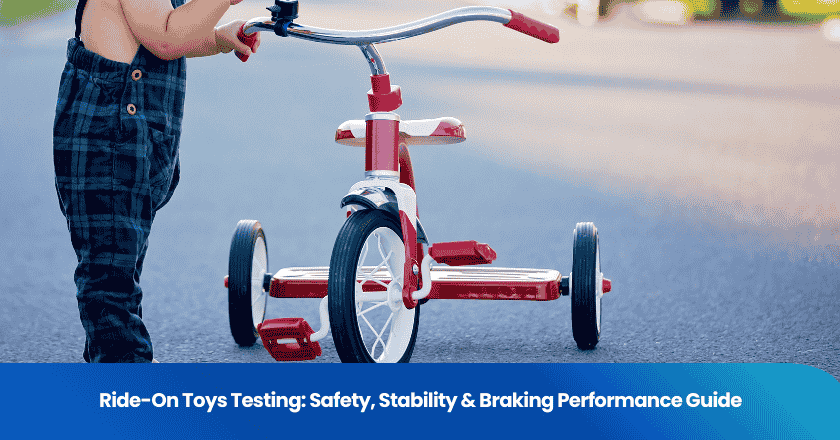
Children face real risks when playing with ride-on toys. The Consumer Product Safety Commission recently reported that ride-on toys, especially non-motorized scooters, led the way in toy-related injuries among children under 12. Emergency rooms treated about 155,000 toy-related injuries, with riding toys causing more injuries than any other toy category. International standards, such as ISO 8124 and EN 71-1, require strict mechanical and chemical safety tests for these products. Rigorous testing helps ensure that manufacturers meet these standards and that children stay safe during play.
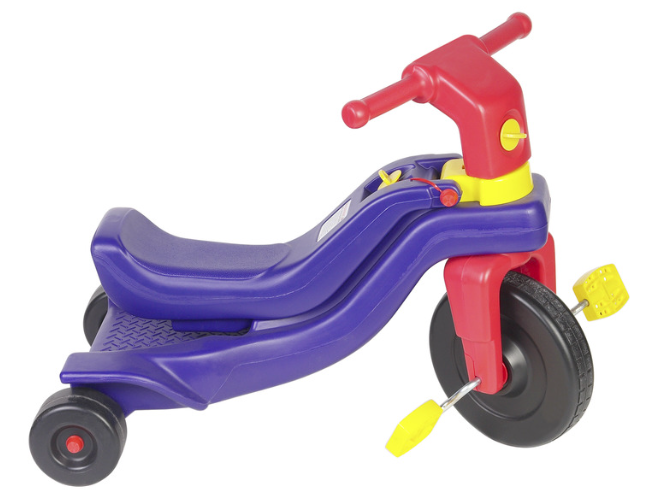
Key Takeaways
- Safety certifications like CE and ASTM ensure ride-on toys meet strict safety standards. Look for these marks before purchasing.
- Inspectors conduct dynamic load tests to check if toys can withstand the forces of play. This helps prevent injuries from breakage.
- Stability checks assess how well ride-on toys resist tipping. A wide base and low center of gravity enhance safety during use.
- Reliable braking systems are crucial for safe play. Inspectors test brakes to ensure they respond quickly and prevent skidding.
- Parents should actively supervise children during play and regularly inspect toys for wear and tear to maintain safety.
Ride-On Toys Testing Standards
International Compliance Requirements
Manufacturers must follow strict rules to sell ride-on toys in major markets. The European Union and the United States set clear standards for safety and chemical composition. The table below shows the main compliance requirements for each region:
| Region | Compliance Requirement | Description |
|---|---|---|
| EU | EN 71 Standards | Safety standards for toys, including CE marking for compliance. |
| EU | REACH Regulation | Covers chemical safety in toys, requiring testing and compliance documentation. |
| EU | RoHS Directive | Restricts hazardous substances in electrical toys. |
| US | ASTM F963 Standard | Standard consumer safety specification for toy safety in the US. |
Testing protocols use these standards to check every product. Inspectors look for safe materials, strong construction, and proper assembly. They also review documentation to confirm that each toy meets the rules. Professional testing services help manufacturers avoid costly recalls and ensure that toys are safe for children.
Key Safety Certifications
Certifications prove that ride-on toys meet safety standards. The most recognized certifications include:
- The CE mark shows that a toy meets EU safety rules.
- EN 71 and ASTM F963 are gold standards for toy safety worldwide.
- Child Product Certificate (CPC) testing confirms compliance with EN 71 and ASTM F963.
- Mandatory testing and paperwork are required for manufacturers.
The table below explains how these certifications protect children:
| Safety Factor | Description |
|---|---|
| Mechanical | Ensures toys do not have sharp edges or small parts that could pose risks. |
| Noise | Limits sound levels to prevent hearing damage. |
| Flame retardance | Tests materials to reduce fire hazards. |
| Chemical composition | Ensures toys are free from harmful substances. |
| Electrical Safety | Tests for safe electrical components in toys. |
Dynamic Load and Strength Tests
Mechanical Strength Assessment
Manufacturers use mechanical strength assessment to ensure ride-on toys can handle the forces children create during play. Inspectors check the frame and wheels for compressive and flexural strength. They use specialized equipment to simulate real-world conditions. For example, dynamic strength testers simulate a vertical crush at a speed of 2 meters per second. This test helps identify weak points that could break when a child rides over a curb or bumps into obstacles.
| Test Type | Purpose | Testing Method |
|---|---|---|
| Dynamic Strength | Assess structural integrity under movement | Simulates vertical crush of inelastic step at 2m/s to check damage degree |
Inspectors also measure impact resistance. They drop weights or apply force to different parts of the toy. These tests follow international standards, such as ASTM F963-23 and EN IEC 62115:2020. ASTM F963-23 focuses on design practices that eliminate hazards and improve stability. EN IEC 62115:2020 sets strict limits on impact energy, reducing the risk of breakage.
| Standard | Description |
|---|---|
| ASTM F963-23 | Addresses design practices to eliminate hazards, including stability concerns for ride-on toys. |
| EN IEC 62115:2020 | Revised impact resistance requirements for enclosures, reducing impact energy limits. |
Durability and Impact Checks
Durability testing shows how well ride-on toys stand up to repeated use. Inspectors use several methods to check for long-term reliability. Impact resistance tests measure how toys handle drops and collisions. Accelerated wear simulations expose toys to repeated stress, revealing weak spots before products reach the market. Climate stress evaluations test materials under extreme temperatures and humidity. These steps ensure toys remain safe in different environments.
| Testing Method | Description |
|---|---|
| Impact Resistance | Measures how well a toy withstands drops and impacts without breaking, following ASTM guidelines. |
| Accelerated Wear | Tests how quickly toys wear down under simulated conditions to identify weak spots. |
| Climate Stress | Assesses how toys perform under extreme weather conditions, ensuring materials resist harsh environments. |
Inspectors look for cracks, loose parts, and other signs of wear. They record results and compare them to safety standards. Toys that pass these tests offer better protection for children.
Stability Checks to Prevent Tipping
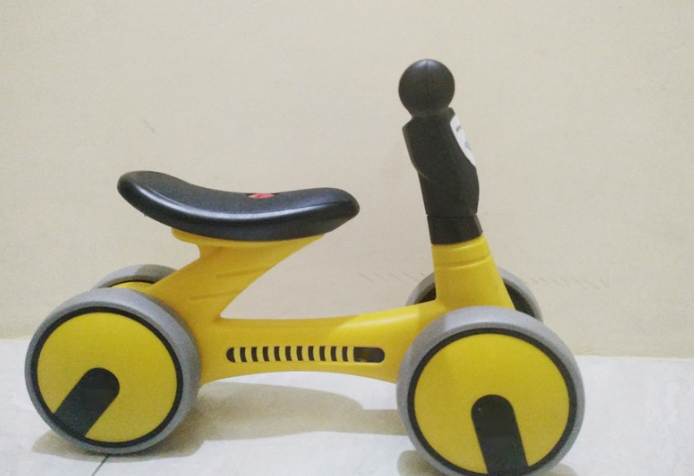
Ensuring stability is essential for ride-on toys. Stability checks help prevent tipping accidents, which can cause serious injuries. Inspectors use several methods to evaluate how well a toy resists tipping during play.
Slope and Incline Testing
Slope and incline testing measures how a ride-on toy performs on angled surfaces. Inspectors place the toy on a test platform and adjust the slope to different angles. They load the toy with weights to simulate a child's mass. The goal is to see if the toy remains upright or tips over.
| Feature | Details |
|---|---|
| Testing Standards | EN71-1, ISO8124-1 |
| Slope Angle | 10° +/- 1° (standard test); 0°—45° (range for observation) |
| Load Simulation | Weights simulating child mass (e.g., 25kg or 50kg depending on age group) |
| Procedure | Load the toy in the most unstable position and observe if it tips over on the slope. |
Inspectors also check the force needed to keep the toy stationary. If the force is less than 50 newtons, the toy passes the test. Wide wheelbases and low centers of gravity help toys stay stable on slopes. Toys with sturdy construction and reinforced wheels perform better during these tests.
Note: Experts recommend not operating ride-on toys on slopes greater than 15 degrees. This limit helps prevent tipping and keeps children safe.
Assembly and Workmanship Inspection
Physical inspection plays a key role in stability. Inspectors look for assembly issues that could affect balance or safety. They check for loose parts, sharp edges, and proper alignment. All screws and bolts must be tight, and safety features must work as intended.
- Examine the toy for loose or missing parts.
- Check for sharp edges or points that could cause injury.
- Test all safety features to ensure they function correctly.
- Confirm that wheels and chassis are securely attached.
- Review the overall build quality for signs of poor workmanship.
Braking Performance Evaluation
Functional Braking Tests
Braking systems play a vital role in keeping ride-on toys safe. Inspectors use several methods to check how well these systems work. They move the toy at a slow speed and press the brake pedal. The toy should stop quickly and smoothly. It must not skid or roll forward too much. The brake pedal needs to be easy for children to reach and press. These checks help confirm that the braking system responds as expected during play.
| Test Feature | What Inspectors Check |
|---|---|
| Stopping Response | Toy stops quickly and smoothly |
| Skid Prevention | No excessive skidding or rolling forward |
| Pedal Accessibility | Brake pedal is easy to reach and press |
| Consistency | Braking works on various surfaces |
Custom Safety Requirements
Manufacturers often set extra safety requirements for braking systems. Inspectors measure stopping distance to see how far the toy travels after the brake is pressed. They also check the force needed to operate the brake lever. These custom tests help match the toy's performance to specific safety goals.
- Maximum stopping distance allowed for the toy.
- Minimum and maximum force needed to press the brake lever.
- Braking performance under different weights and speeds.
- Special requirements for electronic or dual braking systems.
What Parents Should Check
Identifying Safe Ride-On Toys
Parents play a key role in choosing safe ride-on toys for their children. They should start by checking for safety certification marks on the product and packaging. Common marks include ASTM, CE, and ISO, which show that the toy meets international safety standards.
| Safety Standard | Description |
|---|---|
| ASTM | American Society for Testing and Materials |
| CE | Conformite Europeenne |
| ISO | International Organization for Standardization |
A safe ride-on toy has several important features. Parents should look for a wide base and low center of gravity, which help prevent tipping. Sturdy construction and non-toxic materials protect children from harm. Age-appropriate design ensures the toy matches the child's size and abilities. Safety belts, speed controls, and reliable braking systems add extra protection.
Understanding Test Results
Parents can verify the authenticity of safety certifications by checking the manufacturer's website and looking for certification marks on the product packaging. When reviewing any available inspection summaries, focus on mechanical strength, stability, and braking performance.
Thorough Ride-On Toys Testing protects children from injuries by checking dynamic load, braking, and stability. Certified products meet strict standards and pass careful inspections. Parents should look for safety marks and choose toys that pass these tests.
FAQ
What do safety certifications like CE and ASTM mean for ride-on toys?
Safety certifications show that a ride-on toy meets strict international standards. Inspectors test for mechanical strength, chemical safety, and stability. These marks help parents identify products that protect children during play.
How do inspectors test ride-on toys for tipping risks?
Inspectors place the toy on a slope and add weight to simulate a child. They observe if the toy tips over. Wide wheelbases and low centers of gravity help prevent accidents.
Why is braking performance important in ride-on toys?
Braking systems help children stop safely. Inspectors check if the brakes respond quickly and smoothly. Reliable brakes reduce the risk of collisions and falls.
What features should parents look for in a safe ride-on toy?
Parents should check for safety certification marks, a wide base, sturdy construction, age-appropriate design, and a reliable braking system.
How can parents verify a toy's safety test results?
Parents can review inspection reports and certification documents. They should check the manufacturer's website and confirm marks with organizations like ASTM or CE.
Похожие статьи
Развивайте свой бизнес с услугами TradeAider
Нажмите кнопку ниже, чтобы войти непосредственно в систему услуг TradeAider. Простые шаги от бронирования и оплаты до получения отчетов легко выполнить.

