
What happens when a company finds major defects at the end of a long-cycle order? The answer is costly delays, difficult decisions, and unhappy customers. Pre-shipment inspection alone cannot address Long-Cycle Order Risks. Proactive risk management must begin much earlier. Discovering defects late in the process has severe long-term impacts on customer satisfaction:
| Impact Type | Explanation |
|---|---|
| Decreased Satisfaction | Customers experience unmet expectations and perceive unreliability. |
| Increased Frustration | Delays disrupt operations and increase effort for customers. |
| Loss of Trust | Repeated failures erode trust and harm brand perception. |
| Negative Word-of-Mouth | Dissatisfied customers share negative experiences, impacting future sales. |
Key Takeaways
- Timing Matters: Pre-shipment inspection alone catches defects too late. Proactive control must happen throughout the timeline.
- Start Early: Inspections like Pre-Production Inspection (PPI) verify materials and prevent systemic mistakes before mass production begins.
- Monitor Progress: Regular checks during production save time and drastically reduce rework costs.
- Culture of Quality: Developing a quality-centered culture with suppliers enhances overall product reliability.
Pre-Shipment Inspection: Key Limitations
Timing and Scope of PSI
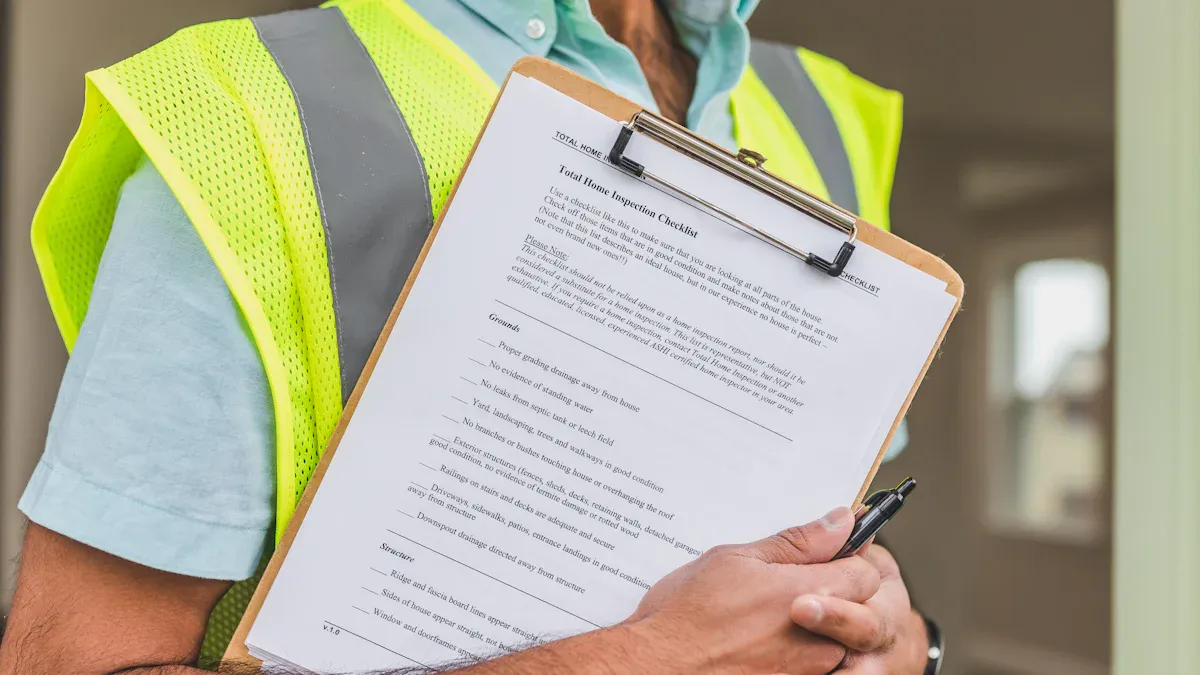
Pre-shipment inspection acts as the final checkpoint. While it serves as a final verification to ensure products meet standards, the timing creates significant challenges for long-cycle orders. When inspectors check products only after production ends, they often find issues that are too late or too expensive to correct easily. Relying solely on this stage risks discovering defects after most resources have been spent, leading to forced decisions between delaying shipment for rework or shipping substandard goods.
Systemic Defects and Costly Decisions
Systemic defects often go unnoticed until the pre-shipment stage if earlier checks are skipped. These defects may affect large portions of the order. For example, a material discrepancy discovered at the end might render an entire batch unusable. While the inspection prevents the bad goods from shipping, it forces the company into a crisis management mode regarding delivery schedules and replacement costs.
Missed Material Non-Conformity
Since PSI focuses on finished products, it can miss internal material non-conformities that occurred months prior. If a supplier substitutes a cheaper component early in the process, inspectors might not detect it until functional testing at the very end. By then, "quality fade" has occurred, and the problem has infected the entire order. Early and continuous checks are the only way to prevent these foundational risks.
Long-Cycle Order Risks Explained
Specification and Market Changes
Long-cycle orders are vulnerable to shifting product specifications or market trends. Over a production period spanning months, regulations may change, or customer preferences may evolve. If a buyer requests a feature update halfway through, and the factory cannot adapt, the finished goods may be obsolete. Continuous communication and intermediate checks allow companies to adjust to these changes before the product is finalized.
Supplier Reliability Over Time
Supplier reliability is not static; it can fluctuate due to labor shortages, equipment failure, or financial stress. Companies should track specific KPIs to monitor health:
| KPI | Description |
|---|---|
| Capacity Utilization | Shows how much of the factory's production ability is being used. |
| On-Time Delivery (OTD) | Measures consistency in meeting shipping deadlines. |
| Plan Adherence | Checks if the supplier produces the right mix of products on schedule. |
| Inventory Turnover | Tracks how quickly raw materials move through the factory. |
Beyond Pre-Shipment Inspection: Proactive Quality Control
Long-cycle orders demand a proactive approach. Companies need upstream quality control to prevent defects before they become systemic. Early intervention saves time, reduces costs, and protects brand reputation by ensuring both the product and its packaging meet high standards from day one.
Pre-Production Inspection (PPI)
Pre-Production Inspection is the foundation of a successful order. Inspectors verify raw materials, components, and the factory's readiness before the assembly lines start moving. This step ensures that suppliers understand the requirements and have the correct materials on hand. It is also the ideal time to verify packaging specifications to prevent branding or protection issues later.
During Production Inspection (DPI)
During Production Inspection (DPI) provides real-time oversight when 20-50% of the order is complete. This allows companies to catch process instability or assembly errors while there is still time to fix them without delaying the final shipment.
- Cost Reduction: Early detection minimizes scrap and rework costs.
- Real-Time Fixes: Addressing issues promptly prevents them from affecting the entire batch.
- Packaging Verification: Inspectors review packing methods during assembly to ensure compliance with safety and branding requirements.
Tip: Companies should develop a quality-centered culture. Leveraging modern technologies for real-time monitoring strengthens control over both product integrity and packaging standards.
Total Quality Control (TQC) Services
Total Quality Control (TQC) involves continuous monitoring and shared responsibility. Specialized staff supervise production from raw material selection to final loading. This rigorous approach includes automated testing and strict adherence to control standards, effectively targeting a "zero defect" outcome.
Comparing Quality Control Approaches
| Approach | Focus Area | Effectiveness |
|---|---|---|
| Upstream QC | Early detection & prevention | High: Reduces recalls and operational disruptions. |
| Pre-shipment Inspection | Final check before delivery | Moderate: Catches defects but too late to fix easily. |
Continuous Quality Assurance Strategies
| Strategy | Application in Long-Cycle Orders |
|---|---|
| Total Quality Management (TQM) | Ensures quality is integrated into every step of operations, involving all employees. |
| PDCA Cycle | "Plan, Do, Check, Act" provides a feedback loop for ongoing process refinement. |
| Root Cause Analysis (RCA) | Systematically identifies and eliminates underlying problems to prevent recurrence. |
Actionable Recommendations
- Vet suppliers thoroughly to ensure compliance with quality standards.
- Develop a culture focused on continuous quality control.
- Invest in worker training and skill development.
- Use technology for real-time monitoring and data analysis.
- Implement continuous improvement strategies such as TQM and PDCA cycles.
- Standardize inspection procedures at every stage, not just the end.
Pre-shipment inspection alone cannot manage long-cycle order risks because it relies on sampling and misses early-stage inconsistencies. Companies need a proactive, multi-stage approach that includes planning, testing, and continuous improvement. By collaborating with suppliers and monitoring key performance indicators throughout the production cycle, businesses can secure reliable outcomes. Does your current strategy address risks before they become problems?
FAQ
What is a long-cycle order?
A long-cycle order refers to a purchase with a long production lead time, often involving large quantities, custom specifications, or OEM manufacturing. These orders are more susceptible to "quality fade" over time.
Why is pre-shipment inspection not enough for long-cycle orders?
Pre-shipment inspection checks finished goods at the very end. It cannot catch defects buried inside components, material substitutions made months ago, or prevent systemic issues that developed during the manufacturing process.
How does pre-production inspection help prevent defects?
Pre-production inspection verifies raw materials, components, and machinery readiness before production starts. This prevents the factory from using incorrect materials and ensures they understand the specifications.
What is the role of During Production Inspection (DPI)?
DPI monitors product quality and process stability while manufacturing is underway (usually at 20-50% completion). It allows companies to spot trends and fix issues before the entire order is manufactured.
Can total quality control services guarantee defect-free products?
Total quality control services provide the highest level of oversight by monitoring every stage of production. While no system can strictly guarantee zero defects, TQC significantly minimizes risk and approaches near-perfect quality rates.
Похожие статьи
Развивайте свой бизнес с услугами TradeAider
Нажмите кнопку ниже, чтобы войти непосредственно в систему услуг TradeAider. Простые шаги от бронирования и оплаты до получения отчетов легко выполнить.

