
- О нас

- Наши услуги
- Ваша отрасль
- Ресурсы
- Новости и блог

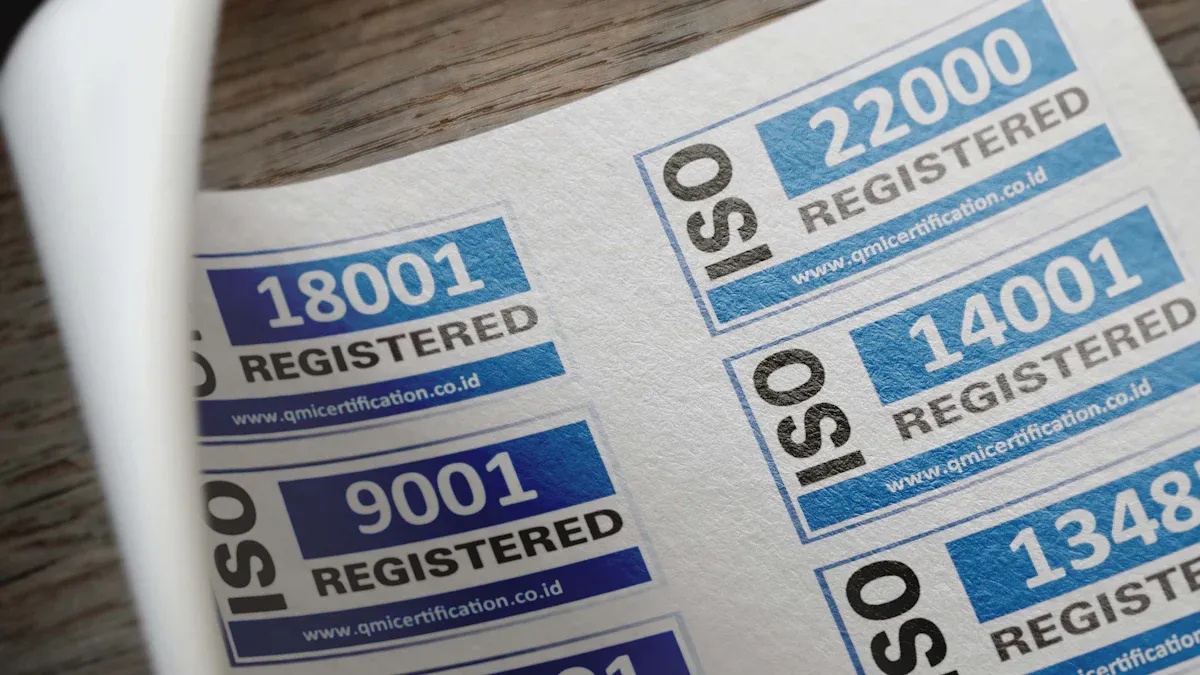
A buyer receives a shipment from a factory holding an ISO 9001 certificate, expecting high quality, yet discovers major defects upon arrival. This scenario highlights a critical disconnect: the gap between a certificate and operational reality. Many companies now realize that supply chain transparency requires more than just paperwork. QMS Audits help reveal what actually happens inside the factory, exposing the difference between documented procedures and daily operations.
Key Takeaways
- Certificate vs. Reality: ISO 9001 certification indicates a documented system exists, but it does not strictly guarantee product quality.
- Deeper Verification: QMS audits provide a deeper understanding of a supplier's operations, revealing practices that may differ from their manual.
- Risk Mitigation: Regular inspections and audits catch defects early, preventing brand damage.
- Technology: Using AI and automation can enhance audit efficiency and uncover patterns that manual checks might miss.
Does ISO 9001:2015 Certification Guarantee Quality?
Certification vs. Operational Reality
There is a common misconception that ISO 9001:2015 certification implies flawless product delivery. In reality, the standard certifies that a company has a documented quality management system (QMS). It does not automatically mean every product coming off the line meets high standards. While certification often encourages performance improvement, audits frequently reveal discrepancies between the "perfect" quality manual and the actual habits on the factory floor.
Note: A certificate offers a baseline of trust, but it does not replace the need for verification of actual production consistency.
What ISO 9001:2015 Covers
ISO 9001:2015 sets requirements for processes such as:
| Process | Description |
|---|---|
| Control of external providers | Ensures externally supplied products and services meet requirements. |
| Evaluation and monitoring | Establishes criteria for selecting and monitoring supplier performance. |
| Documentation | Requires retaining records of evaluations and necessary actions. |
Despite these requirements, the standard allows for flexibility in implementation, meaning not all certified suppliers maintain the same rigor in their daily execution.
QMS Audits for Supplier Verification

Factory Audit Overview
A factory audit provides a transparent view of how a supplier manages quality. Going beyond paperwork, auditors visit the facility to observe operations, interview staff, and verify that the documented QMS is active and effective. This process identifies risks—such as poor maintenance or lack of training—that a remote document review would miss.
Key steps in a factory audit include:
| Step | Description |
|---|---|
| Set Benchmark | Auditors establish standards against which to compare factory processes. |
| Use Checklists | Detailed checklists ensure comprehensive data gathering. |
| On-site Verification | Auditors collect data on SOPs, work environment, and real-time practices. |
| Analysis & Reporting | Findings are compiled into actionable reports highlighting non-conformities. |
Document and Qualification Checks
Auditors rigorously review records to ensure they match ISO requirements. This includes verifying that the supplier actually evaluates their own raw material providers. Key elements checked include:
| Requirement | Description |
|---|---|
| Risk Assessment | Reviews of potential risks from external providers impacting quality. |
| Verification Activities | Methods used to ensure incoming goods meet specifications. |
| Corrective Action System | Processes for rectifying issues and preventing recurrence. |
Management Capability Assessment
A supplier's QMS is only as strong as its management support. Audits assess this through interviews and by reviewing Key Performance Indicators (KPIs) like on-time delivery rates, defect rates, and responsiveness to issues. Strong management involvement usually correlates with consistent product quality.
Assessing Production and Warehousing Controls

Production Capacity and Equipment
During QMS audits, inspectors evaluate if the factory has the necessary machinery and skilled labor to meet production goals without cutting corners. Crucially, they verify maintenance logs and calibration records. A common failure point in certified factories is the neglect of equipment maintenance, leading to "drift" in product tolerances over time.
Common production control failures include:
| Failure Type | Description |
|---|---|
| Weak Internal Audits | Internal checks are irregular or superficial, missing obvious issues. |
| Training Gaps | Missing records lead to untrained personnel operating critical machinery. |
| Poor Communication | Quality standards are not clearly communicated to the shop floor. |
Warehousing and Inventory Management
Effective inventory management is vital for traceability and preventing material mix-ups. Auditors look for best practices such as real-time inventory tracking, clear segregation of non-conforming materials, and "First-In-First-Out" (FIFO) implementation. Organized warehousing protects raw materials from damage and ensures that the right components are used in production.
Revealing QMS Failures Through Inspection
Physical Product Inspections
While audits check the system, inspections check the result. Physical inspections involve examining finished goods against a reference sample and specifications. This step often uncovers defects that the QMS theoretically should have caught, such as assembly errors, cosmetic damages, or functional failures.
| Defect Category | Description |
|---|---|
| Minor | Imperfections not affecting function (e.g., slight scratches). |
| Major | Defects affecting usability or marketability (e.g., wrong dimensions). |
| Critical | Safety hazards or regulatory non-compliance (e.g., sharp edges, electrical faults). |
Reference Sample and Data Integrity
Reference samples (Golden Samples) are critical for consistency. Auditors verify that the factory floor has access to approved samples and uses them during production. Furthermore, data integrity is checked to ensure that quality records (such as pass/fail rates) are accurate and have not been manipulated to hide problems. Effective QC processes rely on honest data to drive improvement.
ISO 9001 Audit: Key Findings and Pitfalls
Common Non-Conformities
Audit reports frequently highlight specific areas where suppliers fail to meet ISO 9001 standards. These non-conformities are red flags for buyers:
| Clause | Common Issues |
|---|---|
| Clause 4 & 6 | Failing to define interested parties; Inadequate risk planning. |
| Clause 7 | Inaccurate measurement devices; Missing training records. |
| Clause 8 | Ineffective first-piece inspections; Undefined vendor approval processes. |
| Clause 10 | Failing to document corrective actions for customer complaints. |
Ineffective Corrective Actions
A major reason for QMS failure is the lack of follow-up. When a defect occurs, the supplier must not only fix the product but also the root cause. Auditors often find that "Corrective Action Reports" (CARs) are closed out without verification that the fix actually worked, leading to recurring defects.
Enhancing QMS Audits with Technology
Technology is revolutionizing how QMS audits are conducted. Cloud-based platforms allow for real-time data sharing, ensuring that auditors have access to the latest specifications. Furthermore, Artificial Intelligence (AI) and Machine Learning (ML) are being used to analyze historical quality data, predicting potential failure points before they occur.
| Technology | Benefit to QMS |
|---|---|
| AI & Machine Learning | Identifies patterns in defect rates and assists in risk-based auditing. |
| IoT Sensors | Enables predictive maintenance by monitoring machine health in real-time. |
| Cloud Solutions | Ensures document version control and instant reporting access. |
Practical Steps for Buyers
Preparing for a Supplier Audit
To get the most out of an audit, buyers should take proactive steps:
- Review existing QMS documentation to identify gaps early.
- Define clear audit objectives—what are your "deal-breakers"?
- Ensure the supplier understands the audit scope and timeline.
Key Questions to Ask
During the evaluation, buyers should ask specific questions to gauge maturity:
- Does the supplier rely on sole-source providers for critical components?
- How does the company track on-time delivery and handle delays?
- Is there a formal process for employees to report quality issues?
- Are raw materials inspected upon arrival?
Red Flags to Watch For
Even with ISO 9001 certification, watch out for:
- Lack of senior management knowledge regarding quality goals.
- Incomplete or "too perfect" records that suggest fabrication.
- Resistance to letting auditors inspect specific areas of the production floor.
Conclusion
Buyers must look beyond the ISO 9001 certificate. While it is a valuable standard, it is not a standalone guarantee of quality. Factory audits and QMS audits reveal the truth behind the paperwork, exposing risks that could disrupt your supply chain. By implementing rigorous verification processes, buyers can select suppliers who are not just certified, but truly committed to quality excellence.
Похожие статьи



Развивайте свой бизнес с услугами TradeAider
Нажмите кнопку ниже, чтобы войти непосредственно в систему услуг TradeAider. Простые шаги от бронирования и оплаты до получения отчетов легко выполнить.

