
- О нас

- Наши услуги
- Ваша отрасль
- Ресурсы
- Новости и блог
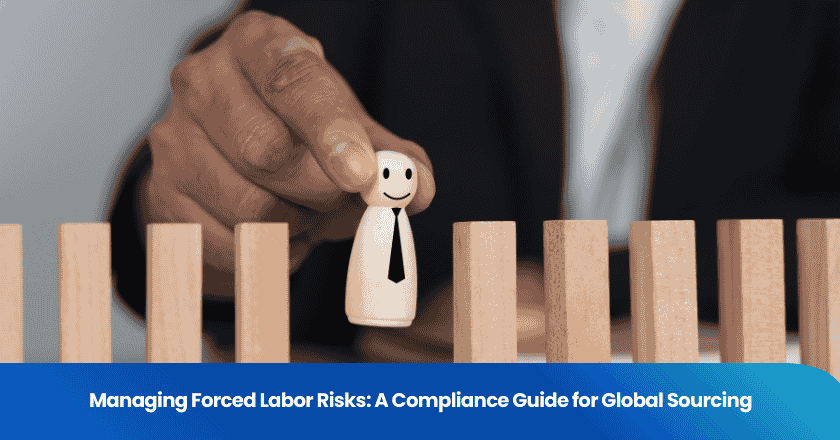
Managing forced labor risks in global sourcing stands as a non-negotiable priority for every enterprise. Companies face significant business risks when they overlook ethical sourcing. Legal frameworks in over 180 countries impose strict penalties, and reputational damage can undermine brand value for years. International standards such as SA8000 and BSCI require systematic verification, including on-site audits and worker interviews, to prevent exploitation.
The following table highlights the scale of the issue:
| Statistic | Value |
|---|---|
| Total number of people in forced labour | 27.6 million |
| Annual illegal profits generated | US$ 236 billion |
| Region with the highest number of forced labour | Asia and the Pacific (15.1 million) |
Key Takeaways
- Compliance is Mandatory: Managing forced labor risks is essential to avoid legal penalties (like UFLPA) and public backlash.
- Standards Matter: Implementing frameworks like SA8000 and BSCI demonstrates a commitment to ethical practices and opens market access.
- Verify On-Site: Regular audits and direct engagement with workers are the only way to uncover hidden risks.
- Leverage Tech: Investing in technology like supply chain mapping tools improves transparency and response time.
Why Forced Labor Risks Matter

Business and Legal Impacts
Companies that ignore forced labor risks expose themselves to severe consequences. Governments worldwide have introduced strict regulations, such as the US Uyghur Forced Labor Prevention Act (UFLPA) and the UK Modern Slavery Act. These laws require businesses to prove their supply chains are free from forced labor. Non-compliance can result in severe penalties, including fines, lawsuits, and operational shutdowns.
| Impact Category | Explanation |
|---|---|
| Legal Compliance | Laws demand proof of ethical sourcing; violations lead to import bans and fines. |
| Reputational Damage | Brands linked to exploitation face consumer boycotts and loss of trust. |
| Operational Disruptions | Customs seizures (e.g., WROs) can block imports, causing costly delays. |
| Financial Risk | Divestment by ESG-focused investors can raise financing costs. |
Note: Non-compliance often leads to intrusive audits, massive legal expenses, and even criminal charges in some jurisdictions.
Stakeholder and Investor Expectations
Stakeholders and investors now expect companies to take clear action. They look for transparency and regular communication about how companies manage human rights risks. Institutional investors often engage directly with companies to address concerns, submitting shareholder proposals to push for better labor practices.
Forced Labor Risks in Global Supply Chains
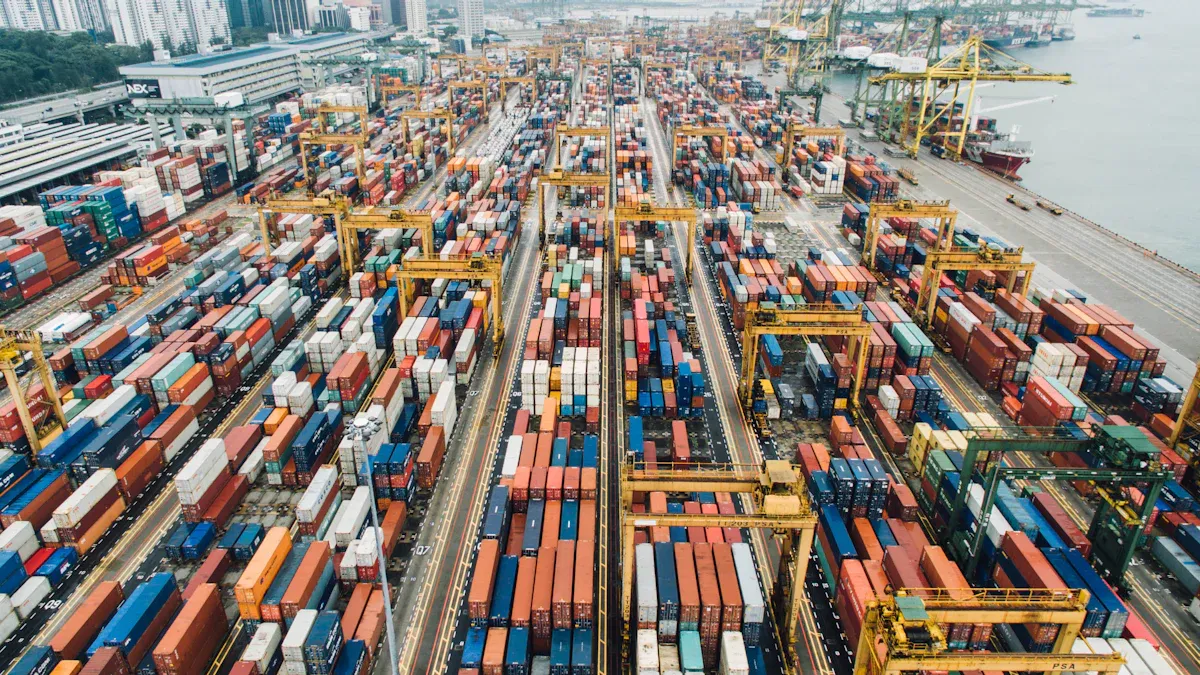
High-Risk Sectors and Regions
Certain industries face a higher likelihood of forced labor due to their reliance on low-skilled labor and complex subcontracting. The US Department of Labor maintains a list of goods produced by child or forced labor. Common examples include:
| Sector/Region | Risk Type | Conditions |
|---|---|---|
| Fishing (Thailand) | Forced Labor | Migrant workers subjected to isolation, debt bondage, and physical abuse. |
| Aluminum (China) | State-Sponsored | Allegations of forced labor programs targeting minority groups. |
| Agriculture (Global) | Forced Labor | Seasonal workers in sectors like sugarcane and cotton often face harsh conditions. |
Companies sourcing from these regions must implement heightened scrutiny and supply chain transparency measures.
Common Risk Indicators
Several factors increase worker vulnerability to exploitation. Supply chain managers should recognize these warning signs:
- Retention of identity documents by employers.
- Recruitment fees charged to workers (Debt Bondage).
- Restricted freedom of movement.
- Unclear or non-existent employment contracts.
- Reliance on migrant labor with unstable immigration status.
Social Accountability Standards and Compliance
Global buyers rely on social accountability standards to set clear boundaries. Frameworks like SA8000 and BSCI serve as foundational tools for managing risks.
SA8000: The Social Responsibility Benchmark
SA8000 is a leading social certification standard that encourages organizations to develop, maintain, and apply socially acceptable practices in the workplace. It requires companies to move beyond basic compliance and demonstrate a proactive management system.
| Benefit | Description |
|---|---|
| Market Access | Many major retailers require SA8000 certification for supplier onboarding. |
| Risk Reduction | Systematic management reduces the likelihood of labor violations. |
| Employee Retention | Better working conditions lead to lower turnover and higher productivity. |
BSCI: Improving Labor Rights
The Business Social Compliance Initiative (BSCI) provides a methodology for companies to drive social compliance. Unlike a certification, it is a continuous improvement system. BSCI audits often reveal recurring issues such as excessive overtime and insufficient safety measures, allowing buyers to work with suppliers on corrective actions.
BSCI audits help verify that suppliers respect the rights of workers to form unions, receive fair remuneration, and work in safe environments.
The Compliance "Red Line"
Buyers must establish zero-tolerance policies (Red Lines) for critical issues. If any of the following are found, immediate action is required:
| Compliance Area | Key Standard |
|---|---|
| Forced Labor | Strict prohibition of prison or bonded labor; workers must be free to leave. |
| Child Labor | No workers under the legal minimum age (usually 15). |
| Health & Safety | Immediate remediation of life-threatening hazards (e.g., blocked fire exits). |
Human Rights Due Diligence in Practice
Due Diligence Steps
Effective due diligence is not a one-time check but an ongoing process. Companies must identify, prevent, and mitigate adverse human rights impacts.
- Map the Supply Chain: Identify suppliers at all tiers, not just immediate partners.
- Risk Assessment: Prioritize suppliers based on geography, sector, and past performance.
- Ongoing Monitoring: Regular surveillance ensures due diligence plans remain effective.
Factory Audits and Verification
Companies cannot rely solely on supplier self-declarations. Factory audits serve as the backbone of verification. Auditors must engage directly with workers—away from management influence—to understand true conditions.
| Best Practice | Description |
|---|---|
| Worker Interviews | Conduct confidential interviews to detect hidden coercion or abuse. |
| Document Review | Cross-check payroll, time records, and contracts for inconsistencies. |
| Grievance Mechanisms | Ensure workers have an anonymous channel to report abuses. |
Technology and Transparency
Traceability Tools
Modern supply chains utilize digital tools to map the journey of products. Blockchain technology can create immutable records of custody, while IoT sensors track the physical movement of goods. These technologies are crucial for proving the origin of raw materials, such as cotton or minerals, to customs authorities.
Real-Time Risk Monitoring
Artificial Intelligence (AI) and big data analytics allow for continuous oversight. Automated systems can scan news, legal databases, and NGO reports to flag potential risks associated with specific suppliers or regions in real-time. This proactive approach allows companies to address issues before they become public scandals.
Building Supplier Capacity and Collaboration
Training and Development
Simply auditing suppliers is often not enough; buyers must invest in supplier capacity building. Training programs help factory management understand why compliance benefits them—through improved efficiency and lower turnover—rather than seeing it as just a rule to follow.
Industry Partnerships
Collaborative action is powerful. By joining industry coalitions, brands can share audit data (reducing audit fatigue for suppliers) and leverage collective influence to demand better practices. Collaborative initiatives help standardized requests and create systemic change that a single buyer cannot achieve alone.
Conclusion
Social accountability and due diligence form the foundation of effective forced labor risk management. Companies that prioritize transparency, comprehensive risk assessments, and supplier engagement protect their reputation and meet regulatory demands. By integrating ethical sourcing into daily business practices, organizations can build resilient supply chains, attract responsible investors, and earn consumer trust.
FAQ
What is modern slavery in supply chains?
Modern slavery refers to forced labor, debt bondage, or human trafficking occurring during production. It involves workers being coerced to work through threats or deception.
How do companies identify forced labor risks?
Companies use supply chain mapping, third-party audits, worker interviews, and risk data analysis to identify warning signs such as recruitment fees or withheld passports.
Why are regular audits necessary?
Conditions in factories change. Regular audits verify that suppliers continue to follow ethical practices and help detect issues that may arise after the initial contract is signed.
What happens if forced labor is found?
Companies should follow a remediation plan. This typically involves immediate steps to protect the victims, repaying recruitment fees, and working with the supplier to correct the issue—or terminating the relationship if the supplier refuses to change.
Похожие статьи



Развивайте свой бизнес с услугами TradeAider
Нажмите кнопку ниже, чтобы войти непосредственно в систему услуг TradeAider. Простые шаги от бронирования и оплаты до получения отчетов легко выполнить.

