
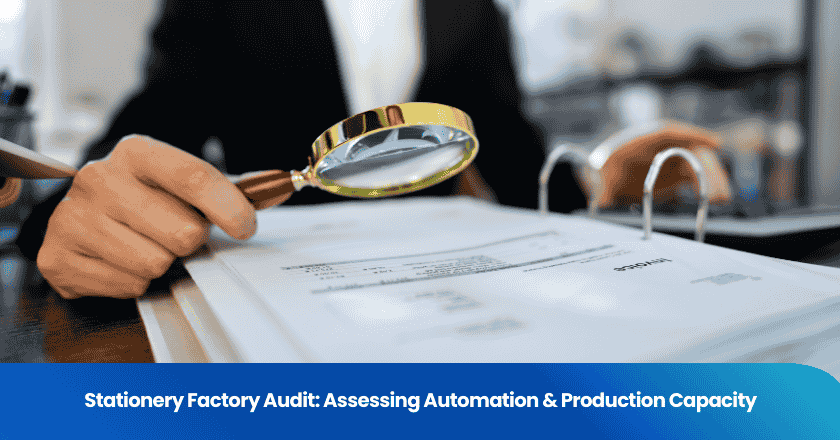
A stationery factory audit is critical for determining whether a manufacturer can deliver consistent quality and volume using automated assembly lines. Third-party audits help buyers and manufacturers control risk and select reliable suppliers in the hardline products sector. Auditors examine both equipment and production processes to verify capabilities. Businesses use these findings to make strategic decisions and improve supplier relationships.
Key Takeaways
- A stationery factory audit helps ensure consistent product quality and reliable production capacity.
- Requesting an audit before large orders can prevent costly mistakes and improve supplier relationships.
- Auditors assess machinery and technology to verify if factories use advanced automation for efficient production.
- Regular audits help maintain compliance with industry standards and improve overall quality control.
- Combining on-site assessments with digital tools enhances the accuracy and efficiency of factory audits.
Stationery Factory Audit Overview
Audit Purpose and Scope
A stationery factory audit provides an independent evaluation of a manufacturer's operations. Third-party auditors visit the facility and review key areas such as production lines, equipment, and management systems. They collect evidence and document findings in a formal report. This process helps buyers understand the factory's strengths and weaknesses. Auditors check if the factory can meet specific order requirements, including volume and delivery timelines. They also verify the use of automated assembly lines and advanced machinery.
Tip: Requesting a factory audit before placing large orders can prevent costly mistakes and ensure consistent product quality.
Hardline Products and Stationery Focus
Stationery belongs to the hardline products category, which includes items made from durable materials. Unlike softline products, hardline goods require precise manufacturing and strict quality control. Stationery manufacturing involves unique processes such as printing, binding, and automated assembly. Factories often use specialized machines to produce pens, notebooks, and other items at scale. The audit examines these machines and evaluates how well they integrate with production workflows, ensuring that buyers receive products that meet their specifications.
Assessing Production Capacity
Output and Equipment Checks
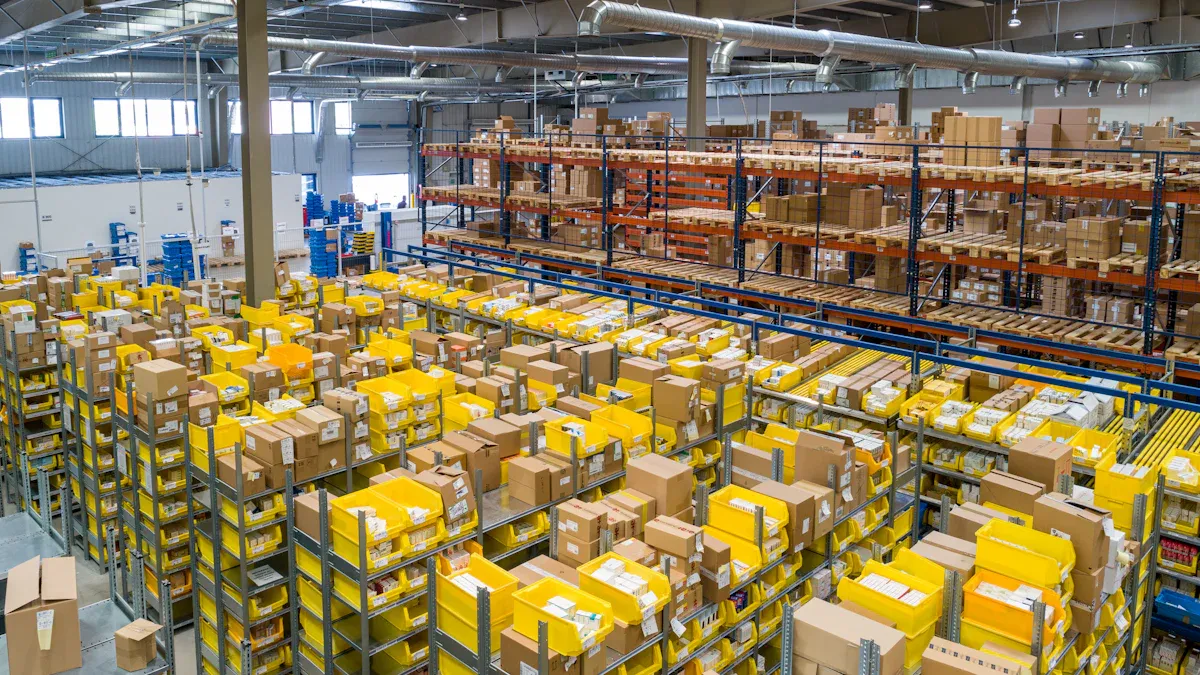
An audit begins with a thorough evaluation of output and equipment. Auditors focus on whether the facility can consistently meet order volumes and delivery deadlines. They use several metrics to measure production capacity:
| Metric | Description |
|---|---|
| Overall Equipment Effectiveness (OEE) | Measures the effectiveness of machinery during production cycles. |
| Capacity Utilization | Indicates the percentage of available production capacity being used. |
| Production Downtime | Tracks the amount of time production is halted, affecting efficiency. |
Inspections play a critical role in verifying these metrics. Auditors conduct inspections at multiple stages, including pre-production, during production, and before shipment.
| Method | Description |
|---|---|
| Factory Audit | Evaluation of operations, capacity, and compliance. |
| Production Monitoring | Continuous oversight to ensure adherence to timelines. |
| Pre-Shipment Inspection | Confirms products meet specifications before delivery. |
| During Production Inspection | Real-time assessment to address issues promptly. |
Machinery condition and maintenance directly impact production capacity. Auditors review maintenance records and observe equipment for signs of predictive, preventive, and reactive maintenance. Inspections help verify that the factory layout and equipment maintenance support efficient production.
Facility and Environment Review
Auditors extend their review beyond machinery. They assess the facility's environment to ensure it supports safe, efficient, and compliant operations. Inspections cover areas such as waste management, air quality, energy usage, and pollution control. Auditors check lighting, ventilation, and safety measures to ensure workers can perform tasks efficiently. This confirms that the facility can sustain high production levels without compromising quality or compliance.
Automated Assembly Capabilities
Machinery and Technology Assessment
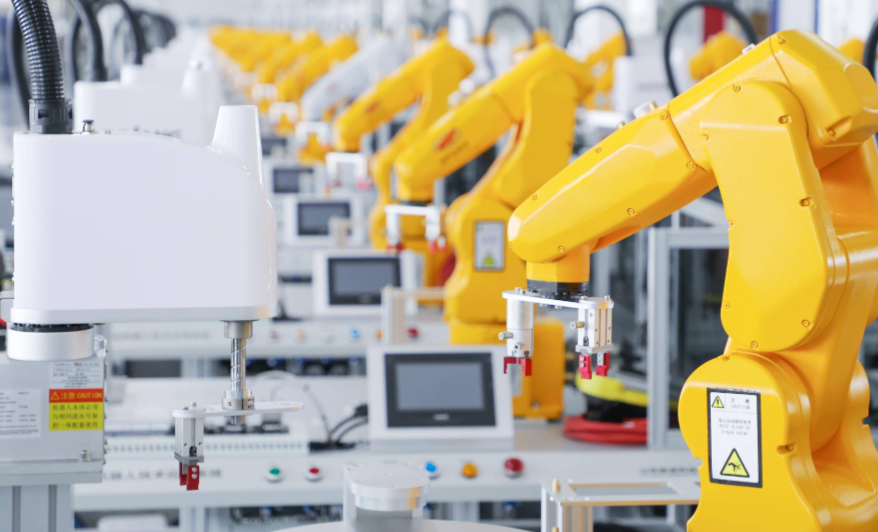
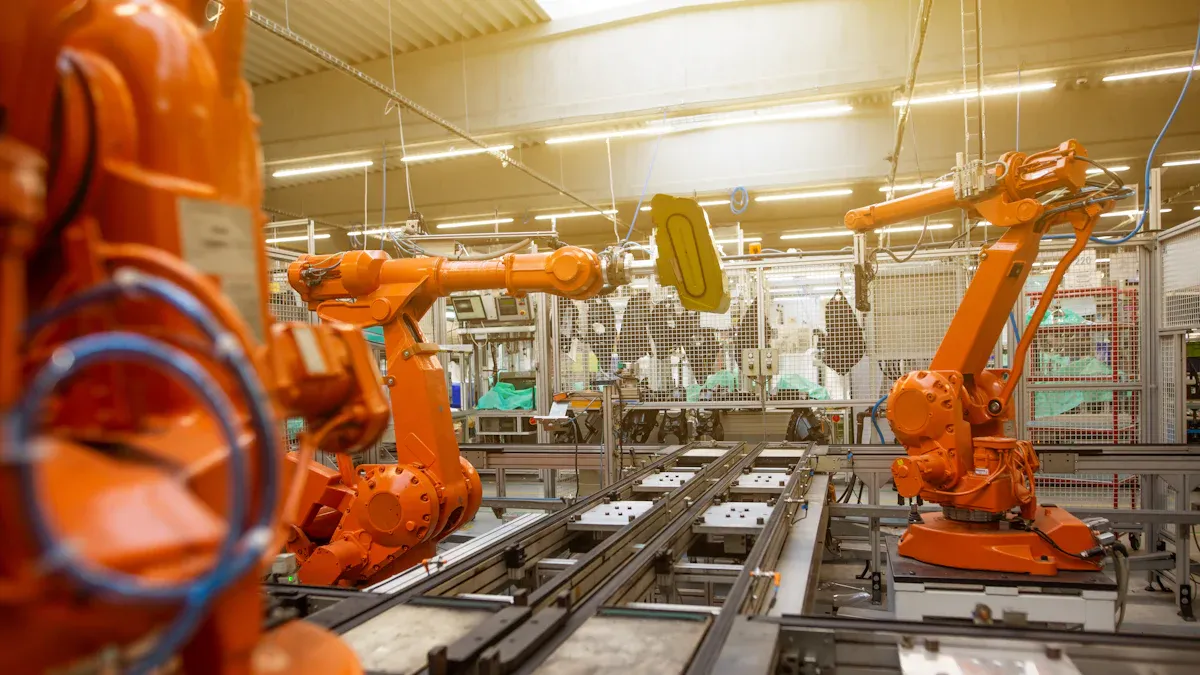
Audits place significant emphasis on evaluating the machinery driving automated assembly. Auditors inspect high-speed presses, automated binding machines, and robotic assembly lines. Key indicators of advanced capability include cycle time, throughput, and quality rates.
Automation technologies can boost production efficiency significantly. Auditors look for AI-driven systems that support predictive maintenance. A typical machinery assessment includes:
| Equipment Type | Inspection Focus | Impact on Production |
|---|---|---|
| Printing Presses | Speed, precision, maintenance | High-volume, accurate output |
| Binding Machines | Automation level, cycle time | Consistent binding quality |
| Robotic Arms | Flexibility, integration | Efficient assembly processes |
| Automated Conveyors | Flow, safety, reliability | Smooth material movement |
Auditors use inspections to verify that each piece of equipment meets industry standards. Automation not only enhances efficiency but also improves product quality by reducing variability.
Process Integration and Efficiency
The integration of automation involves how well systems work with manual operations. Inspections reveal whether automation covers key stages such as material handling, assembly, and packaging. Effective integration results in lower defect rates and higher reliability. Auditors verify systems like programmable logic controllers (PLCs) and automated quality control scanners.
Note: Effective integration of automation into production processes leads to increased capacity, better product quality, and a stronger return on investment.
Quality Management and Supplier Verification
Quality Control Systems
Auditors verify that factories have robust quality control systems. These systems must address compliance with international regulations like REACH and EN 71. Inspections identify quality issues early, preventing defective products from reaching buyers.
| Essential Tests | Description |
|---|---|
| Transportation drop test | Ensures product durability during transport. |
| Product size/weight measurement | Verifies product specifications. |
| Assembly/installation check | Confirms proper assembly and functionality. |
| Barcode scan check | Ensures accurate product identification. |
| GMS (Grammage) check | Ensures paper weight compliance. |
Supplier Qualifications and Certifications
Supplier verification is critical. Auditors review documentation to confirm compliance with industry regulations. Regular audits ensure suppliers maintain transparency. Common certifications in the stationery supply chain include:
| Certification Type | Description |
|---|---|
| Factory Certifications | ISO 9001 (Quality), BSCI (Ethical production). |
| Sustainability | FSC (Forest management), GRS (Recycled materials). |
Automated Factory Audits: Impact and Benefits
Efficiency and Risk Control
Automated factory audits transform risk management. Automation reduces human error and ensures data consistency. Automated inspections identify irregularities quicker than manual checks. Real-time monitoring allows teams to spot deviations instantly, leading to faster responses. Manufacturers utilizing these systems often see significant cost reductions by improving product quality and reducing waste.
Business Decision Support
Audits provide insights that guide strategic decisions. Automation reduces risks from product defects and regulatory fines. By ensuring transparency, automated audits build trust among stakeholders and deliver data-driven insights that optimize processes.
Conducting a Stationery Factory Audit
Preparation and Checklist
A successful audit starts with planning. Auditors set benchmarks, identify resources, and define the scope. Checklists guide auditors through each stage, ensuring no detail is missed. This structured approach maintains consistency.
On-Site and Digital Tools
On-site assessments verify physical conditions, while digital tools streamline the process. Paperless manufacturing systems store relevant information, making compliance validation easier. Digital document management provides a secure audit trail. Automation enhances effectiveness by enabling real-time data analysis, allowing auditors to track metrics and trends quickly.
A stationery factory audit provides a clear evaluation of automated assembly and production capacity. Third-party audits help companies manage risk and select reliable suppliers. Manufacturers and buyers use audit findings to identify strengths and address weaknesses, supporting continuous improvement and strategic planning.
FAQ
What does a stationery factory audit cover?
A stationery factory audit reviews production lines, equipment, quality management systems, and supplier documentation. It checks automated assembly capabilities and verifies capacity.
How does automation improve factory audits?
Automation increases accuracy and speed. It uses real-time data to identify risks quickly and helps reduce human error, providing consistent results.
Which certifications do stationery factories need?
Common certifications include ISO 9001 for quality management, BSCI for ethical production, and FSC for responsible sourcing.
Why should buyers request a factory audit?
Buyers gain confidence in supplier reliability. Audits identify risks, verify production capacity, and ensure compliance with industry standards, supporting better business decisions.
Похожие статьи

Развивайте свой бизнес с услугами TradeAider
Нажмите кнопку ниже, чтобы войти непосредственно в систему услуг TradeAider. Простые шаги от бронирования и оплаты до получения отчетов легко выполнить.

