
- О нас

- Наши услуги
- Ваша отрасль
- Ресурсы
- Новости и блог
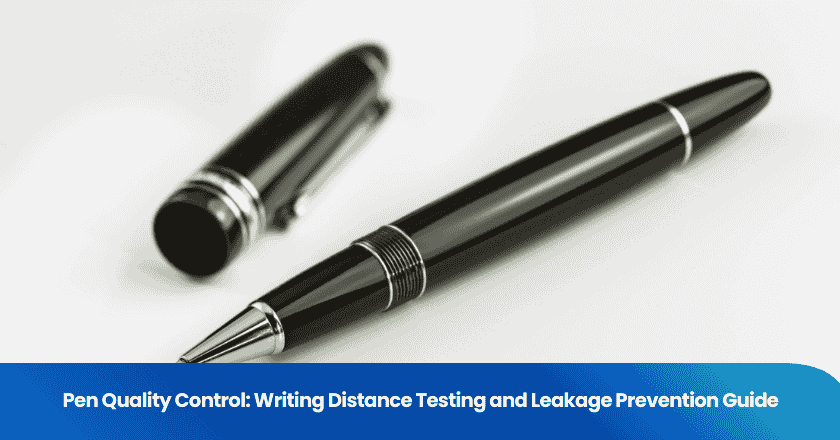
Quality control for writing instruments helps manufacturers confirm the reliability and durability of every pen. Inspectors perform writing distance testing to measure ink longevity and ensure it meets industry benchmarks. They also rigorously check for ink leaks and examine the product for cosmetic or structural defects that might affect performance. By utilizing functional testing, quality assurance teams verify that pens deliver a smooth writing experience. This process ensures that the final product meets all regulatory and client-specific standards.

Comprehensive inspection protects customers from pens that run out of ink prematurely or leak during use, safeguarding brand reputation.
Key Takeaways
- Writing instrument inspection ensures pens meet quality standards, preventing issues like ink leakage and poor writing performance.
- Inspectors follow a detailed process to test writing distance, measuring how far each pen can write before running out of ink.
- Leak prevention starts with understanding design flaws and environmental factors that can cause ink to escape.
- Regular inspections and proper storage techniques help maintain pen performance and prevent leaks.
- Manufacturers must comply with safety standards to protect users and ensure pens are safe for everyday use.
Writing Instrument Inspection Overview
Inspection plays a vital role in the hardline products category, especially in stationery. Inspectors focus on pens and other markers to ensure each product meets strict quality control standards. They use functional and on-site testing to check writing performance, ink flow, and durability. Clients can customize inspection protocols to match specific requirements for pen design, ink type, and writing distance.
Inspection Stages for Pens
A comprehensive inspection of pens follows several important stages. Inspectors begin with preparation, making sure each pen surface is clean. They then proceed to visual and functional checks to identify defects. The table below outlines a standard inspection workflow:
| Stage | Description |
|---|---|
| Visual Check | Inspect for scratches, cracks, or molding defects on the barrel. |
| Assembly Check | Ensure gaps between components are within tolerance. |
| Functional Test | Verify mechanism (click/twist) works smoothly. |
| Writing Test | Check for skipping, blotting, or uneven ink flow. |
| Rub Test | Ensure logos and markings do not peel off easily. |
| Drop Test | Assess durability by dropping from a set height. |
Quality Assurance Methods
Quality control teams use a variety of methods to inspect pens. Material inspection checks the ink reservoir and pen barrel for proper composition. Design and functionality assessment ensures the pen writes smoothly and the ink flows consistently. Environmental testing evaluates ink stability under different temperatures. Ink and color fastness testing confirms that ink does not fade or bleed. Writing performance testing measures writing distance and ink usage. Safety testing verifies that pens meet safety standards, such as vented caps for choking hazards.
Quality control in writing instrument inspection helps manufacturers deliver pens that provide reliable ink flow and consistent writing performance.
Writing Distance Testing for Pens
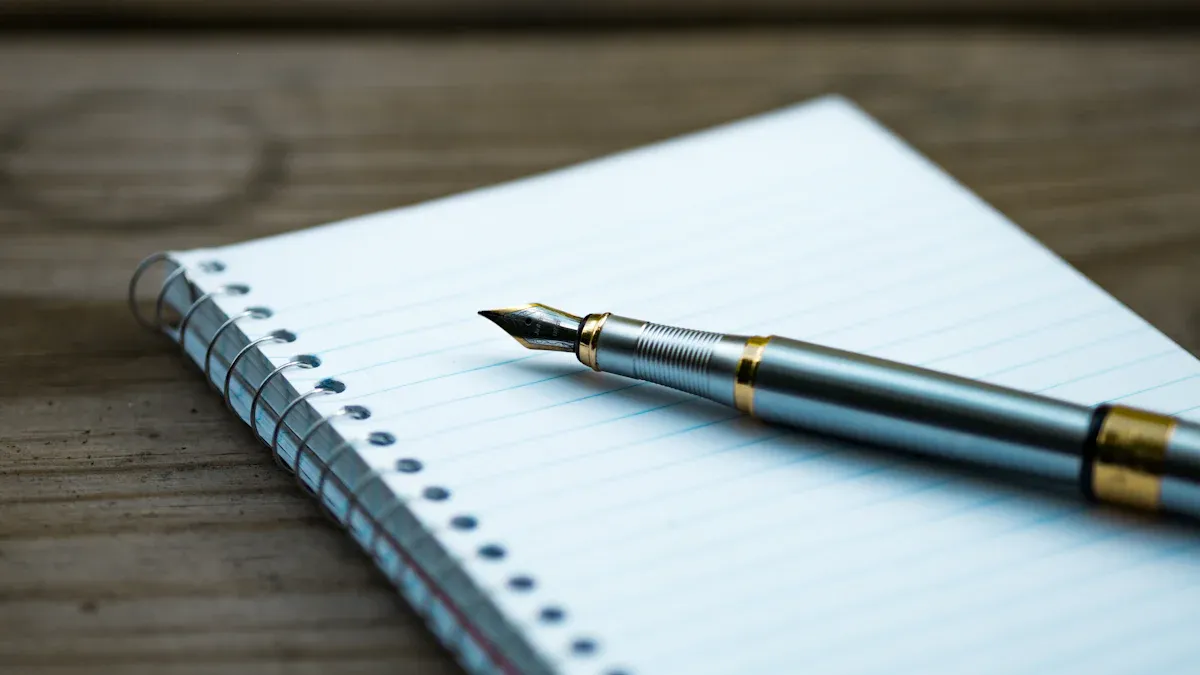
Writing distance testing measures how far pens can write before the ink runs out. This process checks the functional performance of each pen and confirms that it meets the expected standards for writing distance. Inspectors use specialized machines to simulate real writing conditions and record the total distance covered. This ensures that pens deliver consistent performance and do not stop writing unexpectedly.
Writing Distance Test Steps
Inspectors follow a series of steps to complete the writing distance test. They start by preparing the pen and the writing surface. The pen is tested under controlled conditions (angle, pressure, speed) to ensure accurate results. The process includes:
- Mount the pen into the testing machine at a specific angle (usually 60 degrees).
- Set the writing speed and paper type according to ISO standards.
- Run the machine to write continuous loops until the ink is depleted.
- Measure the total writing distance covered (e.g., 400m, 1000m).
- Compare the results to the minimum required distance specified by the client.
Dimensional and Performance Checks
Dimensional verification plays a key role in pen inspection. Inspectors measure physical dimensions such as diameter and grip design, as these affect user comfort. The ink reservoir size also directly influences how far a pen can write.
| Parameter | Impact on Quality |
|---|---|
| Barrel Diameter | Affects grip comfort and ergonomics (typically 8mm-12mm). |
| Tip Size | Determines line width (e.g., 0.5mm, 0.7mm). |
| Grip Design | Circular or triangular shapes influence writing control. |
| Ink Volume | Directly correlates to total writing distance. |
Inspectors check these parameters to confirm that pens write smoothly and provide reliable performance. Dimensional checks help prevent issues such as poor ink flow or uncomfortable grip.
Troubleshooting Low Writing Distance
When pens fail to meet minimum writing distance requirements, inspectors analyze potential root causes. Issues often result from ink viscosity, air bubbles, or friction between the ball and the seat.
| Issue | Solution |
|---|---|
| Dried Ink | Ensure caps seal properly and wax tips are applied during storage. |
| Air Bubbles | Check the centrifuge process during manufacturing to remove air. |
| Ball Friction | Verify the quality of the tungsten carbide ball and socket. |
| Clogged Nib | Inspect ink formulation for particulate matter. |
Leak Prevention and Inspection
Causes of Pen Leak
Pen leak prevention starts with understanding the physical and structural factors that contribute to leaks. Inspectors examine ballpoint pen components for flaws that can compromise durability. The design of the feed system plays a major role in controlling ink movement. Poorly designed feeds can cause ink to escape.
| Factor | Description |
|---|---|
| Feed System Design | Poor configuration leads to uncontrolled ink flow. |
| Airflow Balance | Improper regulation causes leakage when not in use. |
| Pressure Variations | Altitude changes (e.g., airplanes) can force ink out. |
| Temperature Changes | Heat causes ink expansion, pushing it out of the reservoir. |
Leaks often result from ink reacting to environmental changes. Inspectors look for pinhole cracks in the barrel and flaws in the threads where the barrel meets the section. Ink viscosity and surface tension also play a role; when ink warms up, it flows more easily and may leak.
Leak Inspection Methods
Inspectors use several methods to detect leaks. Visual inspection is the first step, looking for cracks or misaligned components. Dimensional checks confirm that parts fit tightly. Vacuum testing is also common to simulate pressure changes (like air travel) to ensure the pen does not leak under stress.
| Method | Description | Features |
|---|---|---|
| Visual Inspection | Check for ink stains on the tip or barrel. | Quick and basic check for obvious defects. |
| Vacuum Test | Subject pens to negative pressure (-0.08 MPa). | Simulates high altitude to check for leaks. |
| Centrifuge Test | Spin pens to force ink toward the tip. | Checks seal integrity under G-force. |
Leak Prevention Tips for Pens
Proper care and storage help users prevent leaks. Storing pens horizontally or with the nib up reduces the risk of gravity-induced leaks.
- Store pens flat or tip-up.
- Avoid exposing pens to extreme heat (like a hot car).
- Always cap or retract pens when not in use to prevent drying or leaking.
- Handle pens carefully to avoid cracking the barrel.
Consequences of Leaking Pens
Manufacturers must address leaks quickly to protect users and maintain brand reputation. Leaking pens damage clothing, documents, and bags, leading to high return rates and customer dissatisfaction.
| Impact | Consequences |
|---|---|
| Consumer | Stained clothes, ruined documents, frustration. |
| Retailer | Increased returns, damaged inventory. |
| Manufacturer | Brand damage, financial loss from recalls. |
Best Practices for Writing Instrument Inspection
Routine Inspection Checklist
A regular inspection routine helps manufacturers maintain high standards. Inspectors follow a checklist to ensure each pen delivers reliable writing. The checklist covers all critical aspects of pen quality:
- Check ink flow consistency by writing several lines.
- Inspect the pen housing for cracks, gaps, or loose parts.
- Test the writing tip for smooth movement (no scratching).
- Examine the ink reservoir for leaks or low ink levels.
- Confirm that the pen cap fits securely (click test).
- Verify that the pen writes without skipping or smudging.
Compliance and Safety Standards
Manufacturers must follow strict compliance standards. These protect users and ensure pens are safe for schools and offices.
| Region | Compliance Standard | Description |
|---|---|---|
| United States | TSCA / ASTM D4236 | Regulates chemicals and labeling for art materials. |
| Europe | EN 71 | Safety rules for toys/stationery (heavy metals, cap safety). |
| Europe | REACH / RoHS | Limits hazardous substances in plastics and inks. |
| UK/Global | BS 7272 / ISO 11540 | Safety requirements for pen caps to prevent choking. |
Manufacturers must ensure inks do not contain heavy metals like lead. Secure, vented caps are mandatory for pens intended for children to prevent choking hazards.
A thorough pen inspection process ensures reliable writing and prevents leaks. Inspectors follow essential steps: create an inspection plan, check all components, record details, and troubleshoot faults.
| Aspect | Benefit |
|---|---|
| Regular Inspections | Maintain writing quality and prevent defects. |
| Consumer Education | Teach best practices for pen care to extend life. |
Manufacturers should adopt these best practices to strengthen confidence in their products and support continuous improvement.
FAQ
How do inspectors measure the writing distance of pens?
Inspectors use a writing test machine that draws continuous lines (often circles or spirals) on a moving paper roll until the ink stops flowing. The machine calculates the total length in meters.
What causes a pen to leak during use?
Leaks are often caused by cracks in the barrel, loose components, or pressure differences (like in airplanes). Heat can also expand the air inside the reservoir, pushing ink out.
How often should manufacturers inspect pens for quality?
Manufacturers should inspect pens at multiple stages: raw material check, during production, and a final pre-shipment inspection to ensure consistent quality.
What is the best way to store pens to prevent leaks?
Store pens horizontally or with the tip pointing up. This keeps gravity from pulling ink out. Always cap pens when not in use.
Can users fix a leaking pen themselves?
Usually, no. If a pen leaks due to a crack, it should be discarded. If it's a refillable pen, disassembling and cleaning it might help, but ballpoint leaks typically indicate a failure of the refill unit.
Похожие статьи
Развивайте свой бизнес с услугами TradeAider
Нажмите кнопку ниже, чтобы войти непосредственно в систему услуг TradeAider. Простые шаги от бронирования и оплаты до получения отчетов легко выполнить.

